
































Skip to content

screenpsyche.com

  • Home
  • Categories
    • Film Character Analysis
    • TV Character Analysis
    • Psychological Concepts via Characters
  • About Us
Subscribe
Top Stories
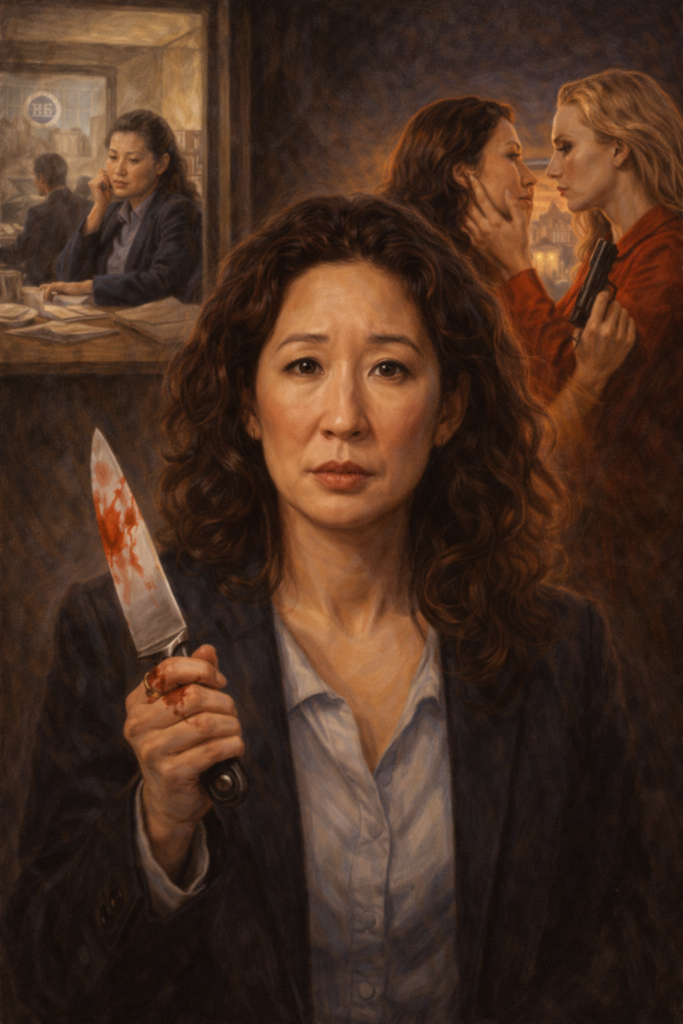
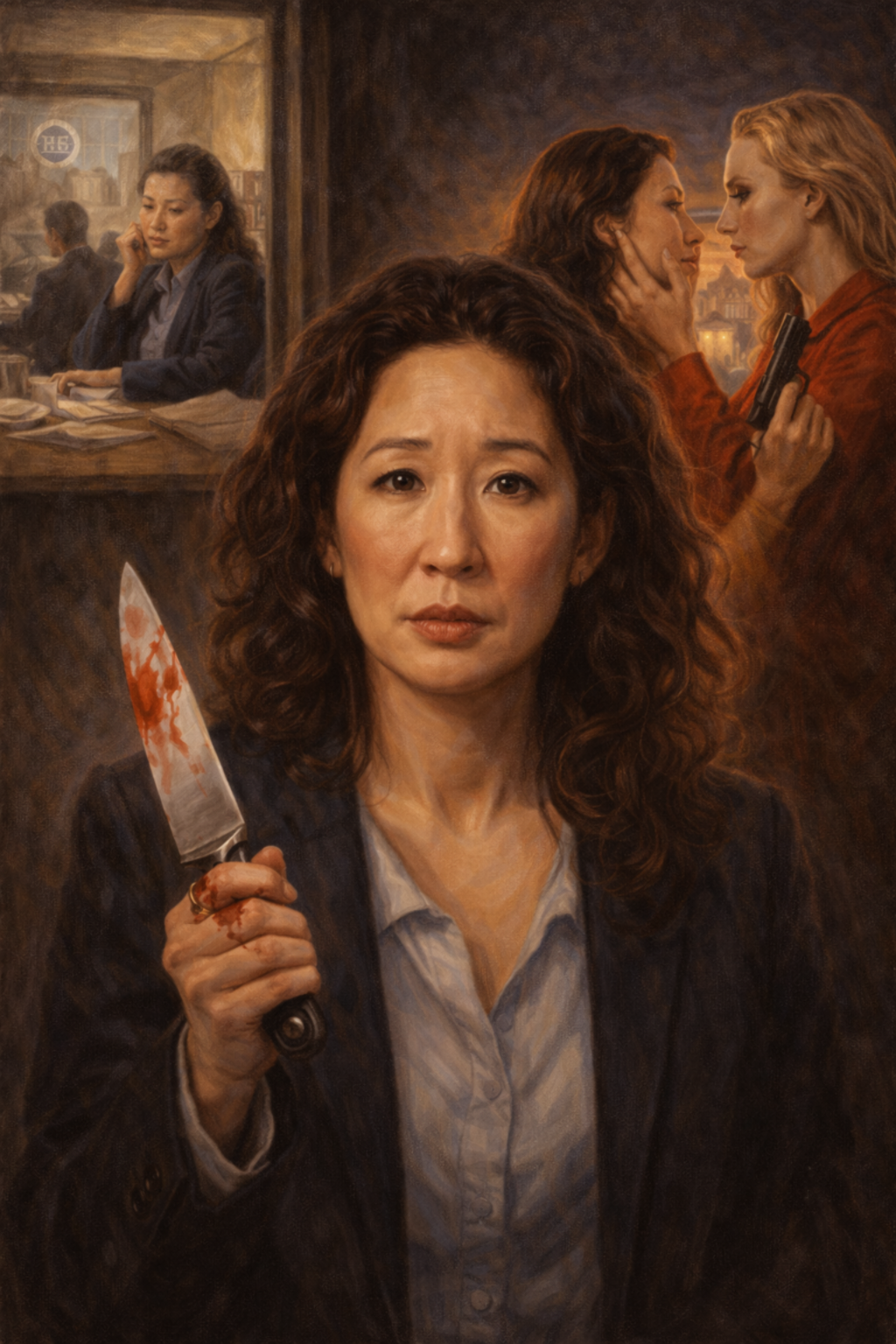
Realistic classical oil painting of Eve Polastri from Killing Eve holding a bloodied knife, symbolizing her transformation from civilian investigator to dangerous operative
Killing Eve Themes: From Civilian To Dangerous
January 12, 2026
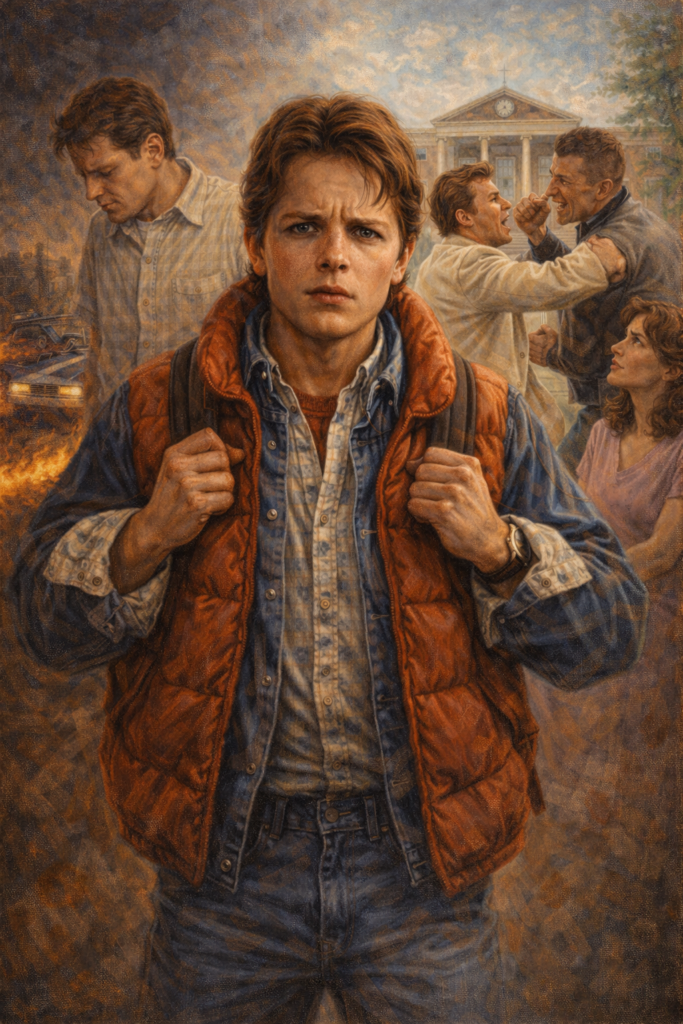
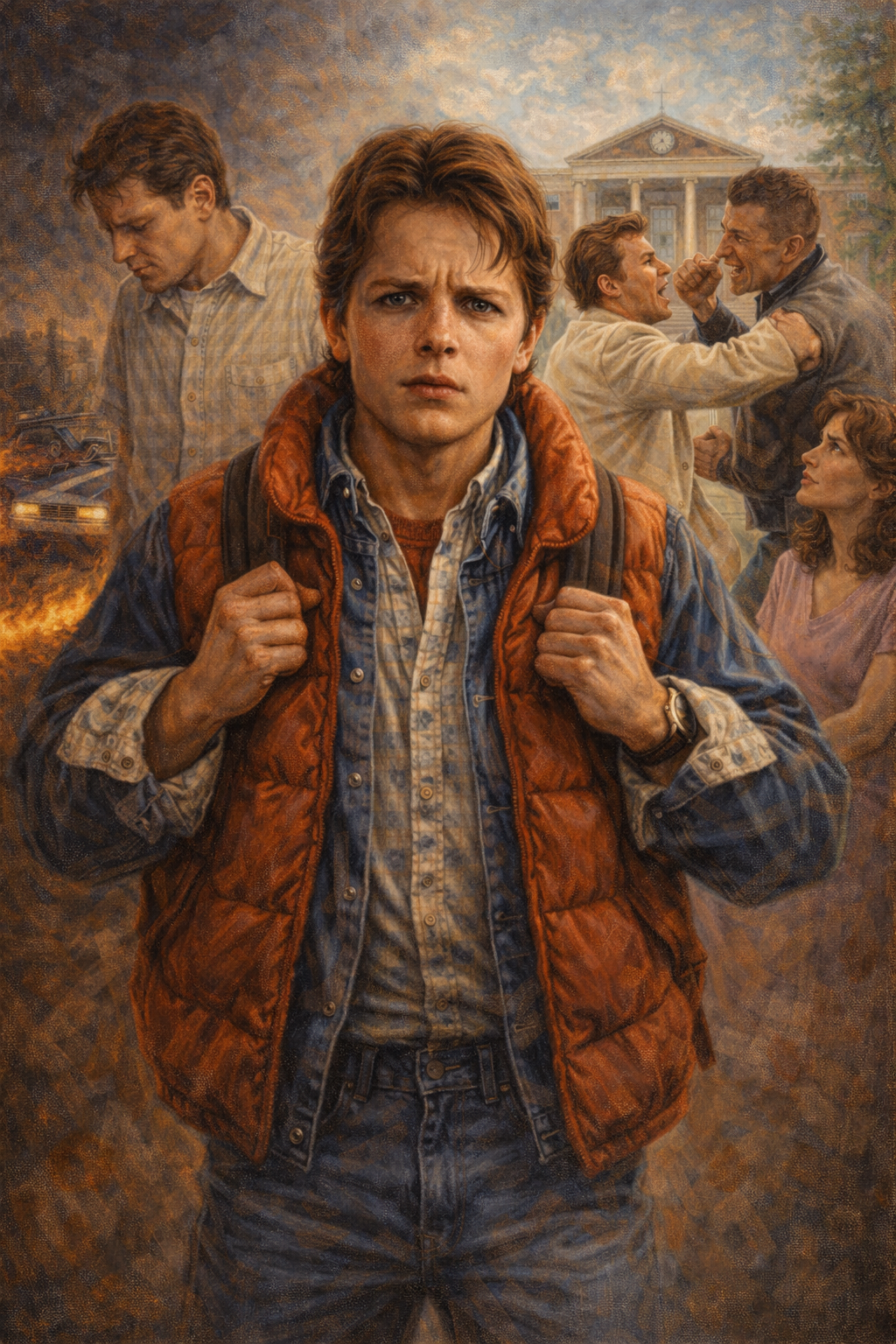
Bright classic oil painting of Marty McFly standing between past and future versions of his family in Hill Valley, symbolising teenage identity conflict and self-authorship in Back to the Future
Marty McFly: In A Teenage Identity Tug-Of-War
January 8, 2026
Classic oil painting of two young women absorbed in their phones and laptop in a bright bedroom, symbolising parasocial attachment and one-sided emotional bonds with media figures
Parasocial Attachment: Loving a Person Who Doesn’t Know You
January 4, 2026
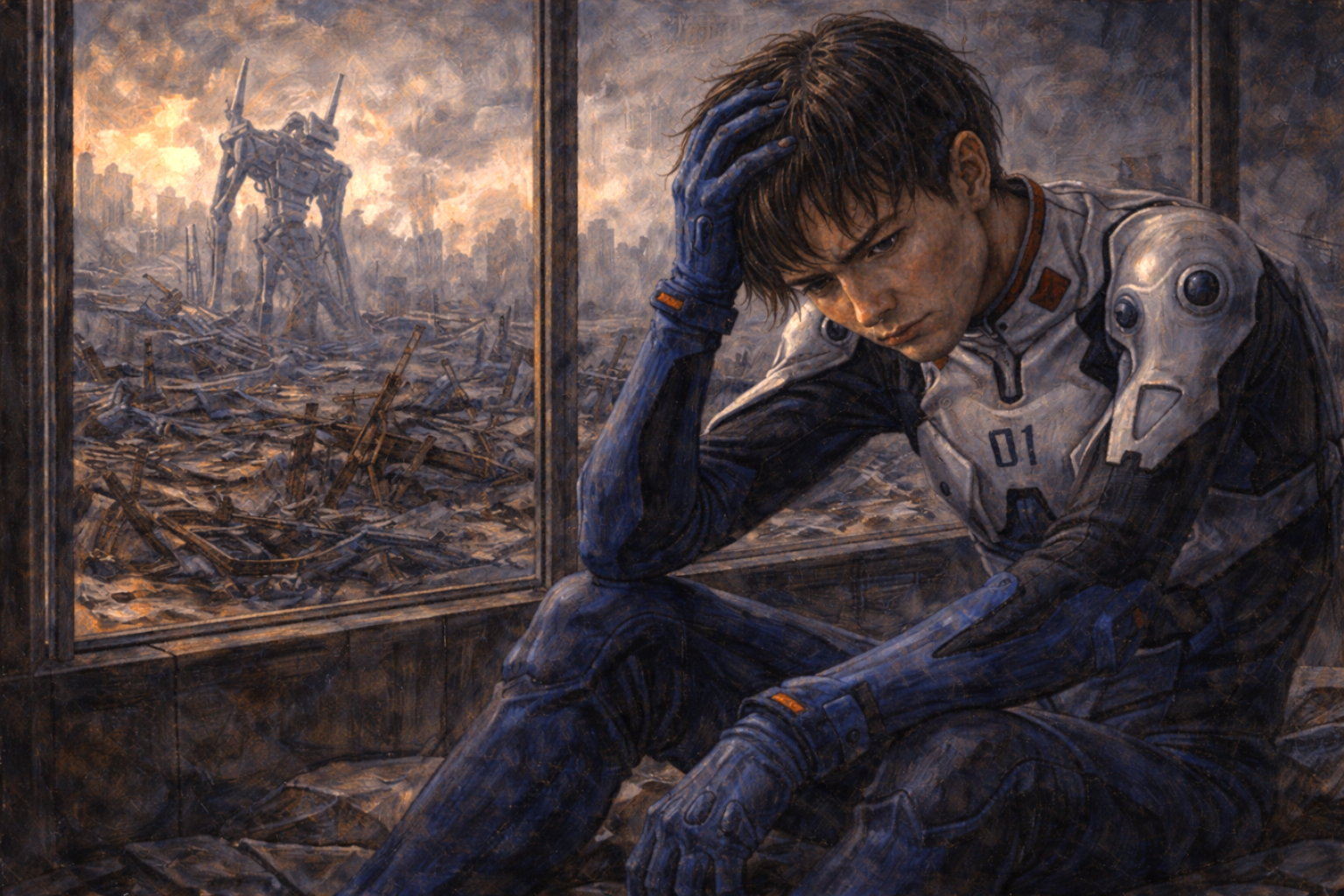
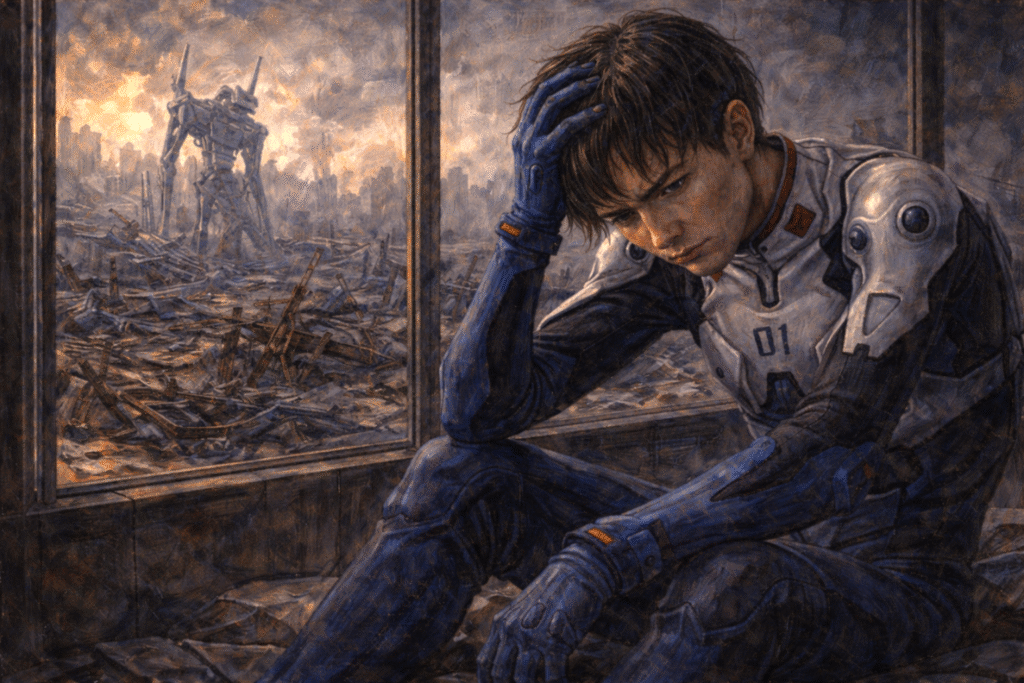
Classic oil painting of Shinji Ikari in his 01 plug suit sitting in a ruined control room, holding his head as Evangelion Unit-01 looms over a devastated city outside the window
Neon Genesis Evangelion Shinji Ikari: A Hidden Psychological Truth
December 30, 2025
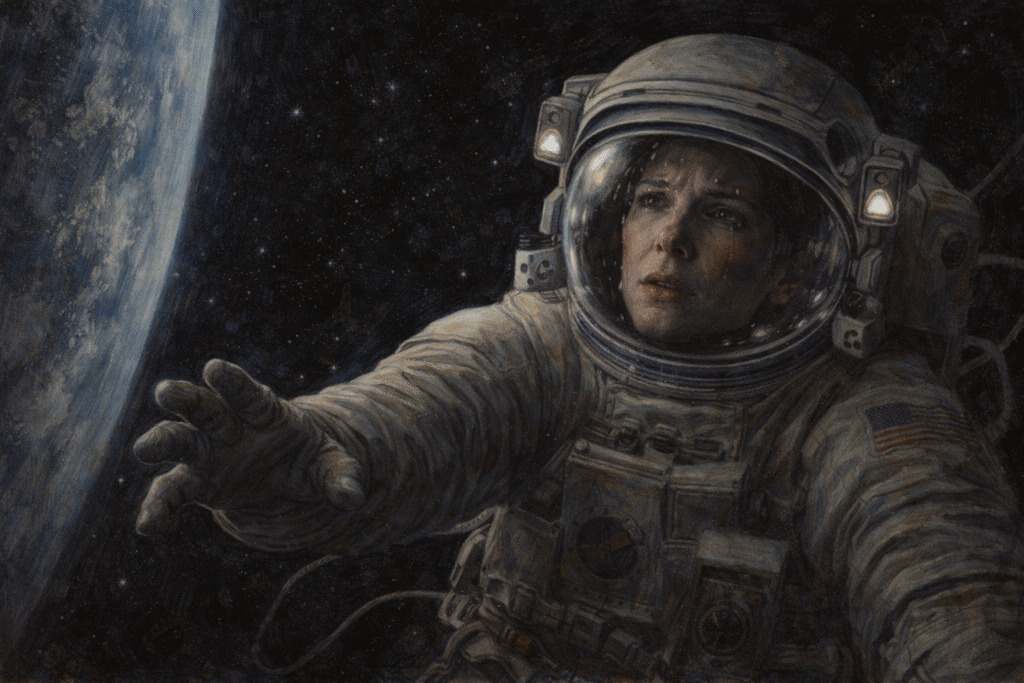
Realistic oil painting of a female astronaut drifting in space, reaching toward Earth with a worried expression, symbolising the fear of returning to Earth in Gravity
From Drifting to Grounded: The Fear of Returning to Earth
December 26, 2025
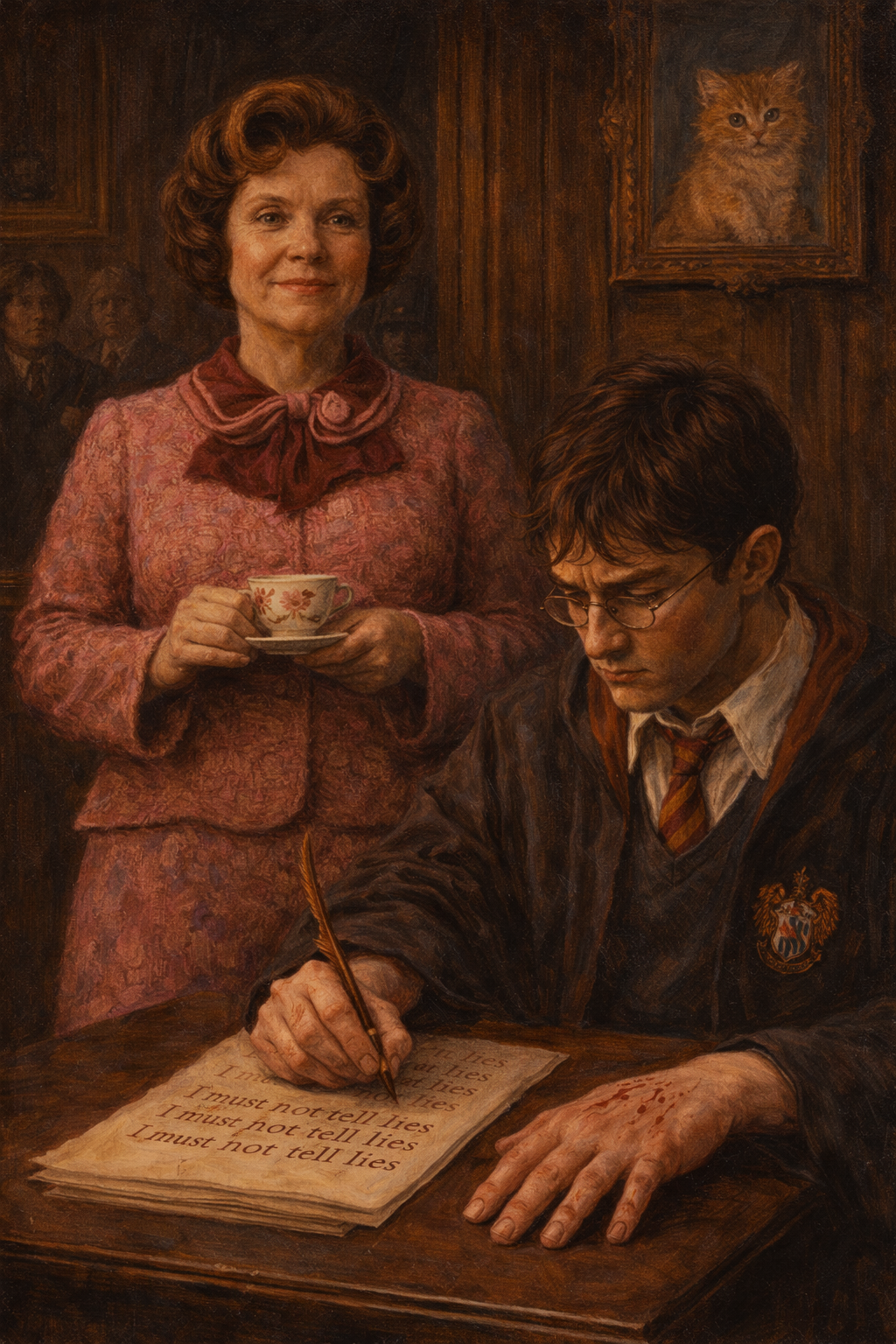
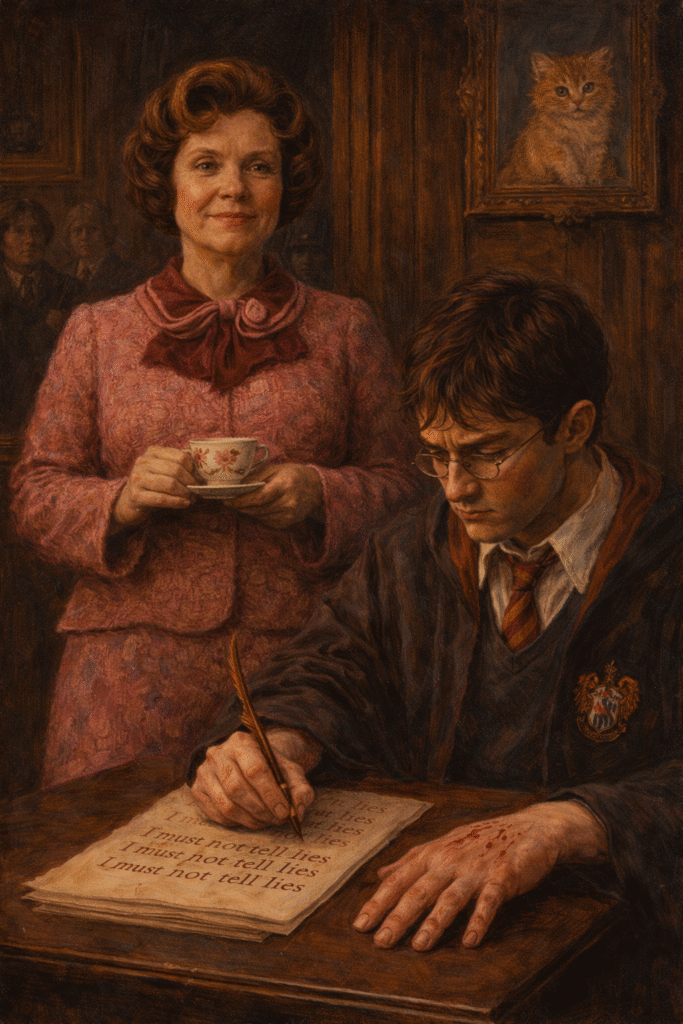
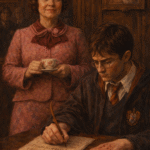
Classic oil painting of Dolores Umbridge calmly watching Harry Potter write lines with a blood quill, illustrating just world belief and victim blaming
Just World Belief Examples: How Victim‑Blaming Powers Story Conflict
December 22, 2025
Classic oil painting of Beth Dutton standing in front of a burning ranch house with Rip Wheeler in the background, symbolising rage, loyalty and survival
Beth Dutton Rage and Loyalty: A Trauma-Informed Psychological Character Study
December 18, 2025
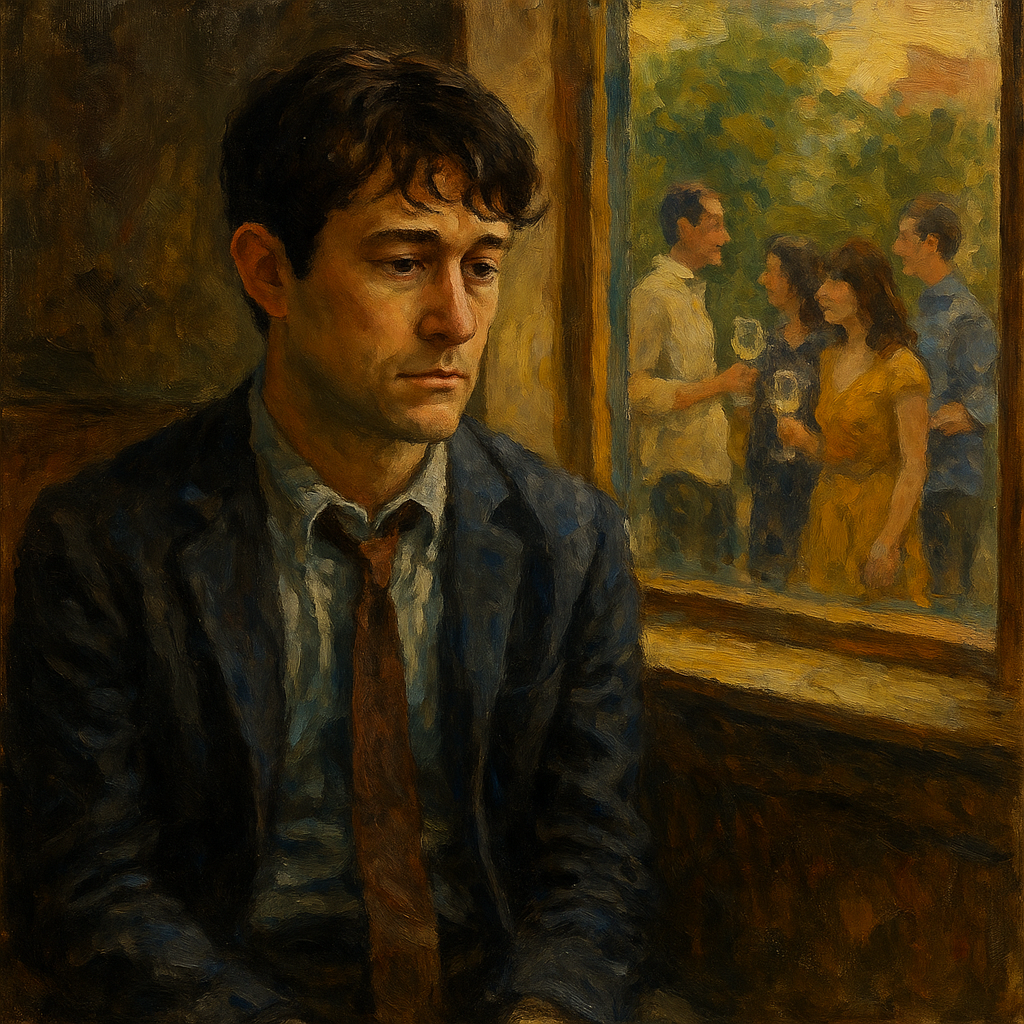
Oil painting of a pensive young man in a suit sitting indoors while a small group talks outside the window, symbolising the romantic projection and loneliness in 500 Days of Summer
Tom Hansen in (500) Days of Summer: Mistaking Projection for Proof of Love
December 16, 2025
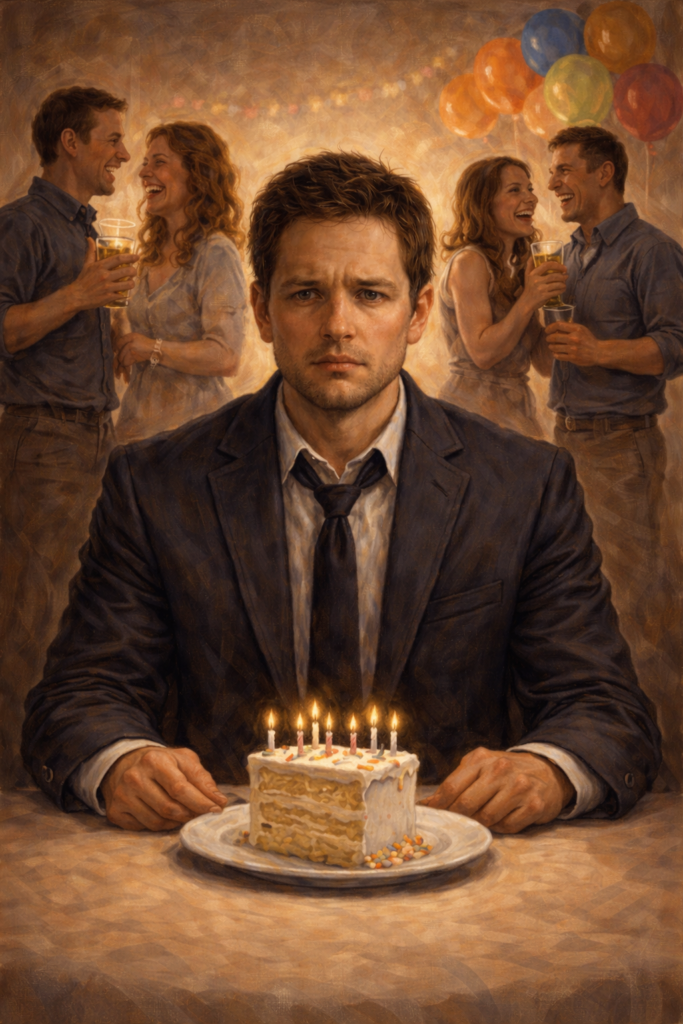
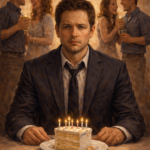
A man sits alone at a birthday party, staring blankly at a cake while others laugh behind him, symbolizing anhedonia and emotional numbness in fictional characters.
Anhedonia in Film: Film Characters Who Can’t Feel Pleasure
December 14, 2025
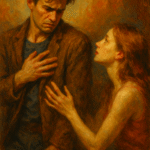
Classic oil painting of Wendy Byrde gripping Marty Byrde’s face in a tense close conversation, symbolising power and manipulation in Ozark
Ozark Wendy Byrde power and manipulation — The Cost of Control
December 12, 2025
A sorrowful woman resembling Sophie from Sophie’s Choice, inspired by Meryl Streep, sits in anguish as fragmented memories of loss and coercion surround her, symbolizing trauma and moral injury.
Sophie’s Choice Memory and Trauma – A Compassionate Analysis
December 10, 2025
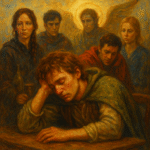
Warm, bright oil painting of exhausted fictional helpers—an archer, a teenage hero in a hoodie, a caped figure, a weary doctor, and a guardian-like angel—gathered around a slumped young man, symbolizing compassion fatigue and secondary traumatic stress.
Compassion Fatigue on Screen: When Fictional Helpers Burn Out
December 8, 2025
Oil painting portrait of Steve Harrington from Stranger Things, capturing his reinvention from swaggering teen to soft-power caretaker; teal jacket, ’80s hair, protective gaze off-frame.
Steve Harrington reinvention and growth: From Antagonist to Soft-Power Caretaker
December 6, 2025
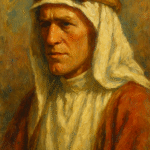
Oil portrait of T.E. Lawrence in keffiyeh, three-quarter profile—symbolizing idealism, identity split, and mythmaking.
T.E. Lawrence: Narcissism, the Fragmented Self, and the Making of a Myth
December 4, 2025
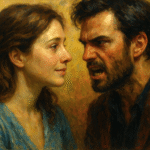
Oil painting of a couple face-to-face: a serene, loving woman contrasts with an enraged, scowling man—visualizing splitting from idealization to devaluation.
Characters Who Flip From Love to Hate: Splitting
December 2, 2025
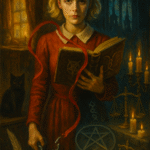
Sabrina Spellman oil painting symbolizing rebellion, dual identity, and autonomy — The Chilling Adventures of Sabrina themes and symbolism
The Chilling Adventures of Sabrina Themes and Symbolism
November 30, 2025
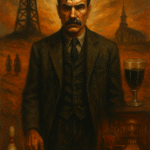
Oil painting of Daniel Plainview amid oil rigs and church shadows, symbolizing misogyny, power, and isolation in There Will Be Blood.
Misogyny and Masculinity in There Will Be Blood: Daniel Plainview
November 28, 2025
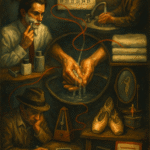
Oil painting of a person executing meticulous morning rituals—aligned toiletries, folded towels, ticking clock—symbolizing control addiction and anxiety relief.
Control Addiction: How Routines Act as an Anxiety Sedative
November 26, 2025
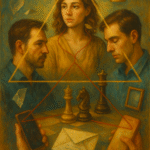
Oil painting of a love triangle: three figures in tense dialogue, red thread, chess pieces, phones, envelope, hourglass, mirror shards, dove.
Triangulation: Love as a Three-Sided Battlefield
November 24, 2025
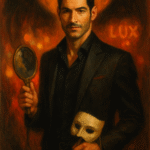
Vertical oil painting of Lucifer Morningstar at Lux, silhouetted shadow-wings behind him, cracked mirror and therapy chair symbols—ego, punishment, and identity.
Lucifer Morningstar; Ego and Identity
November 22, 2025
Oil-painted blue tableau echoing Julie’s grief, detachment, and quiet rebirth in Kieślowski’s Three Colors: Blue.
Three Colors: Blue – Freedom, Detachment, Rebirth
November 20, 2025
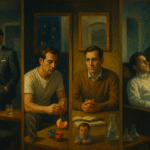
Oil painting of a man moving between four rooms, each symbolizing separate lives and roles, visualizing psychological compartmentalization.
A Practical Guide to Compartmentalization
November 18, 2025
Claire Underwood–like figure in black dress, seated in an armchair, calm and poised, embodying controlled silence and authority.
Claire Underwood (House of Cards): Control, Silence, and the Power of Stillness
November 16, 2025
Jesse Pinkman drives a bright El Camino through sunlit desert highway, dust trailing, hinting at fragile freedom and possible redemption.
Does Jesse find redemption in El Camino?
November 14, 2025
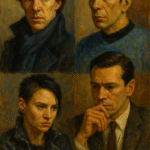
Oil portraits of Sherlock, Spock, Lisbeth, and Don Draper, each tense and inward—icons of characters who can’t name what they feel.
Alexithymia on Screen: Characters Who Can’t Name What They Feel
November 12, 2025
Catherine de’ Medici sits on a throne in black gown holding an infant, palace window behind—royal motherhood as political power.
Psychology of Political Motherhood: Catherine de’ Medici in The Serpent Queen
November 11, 2025
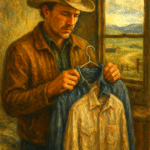
Ennis Del Mar stands by his small trailer holding Jack’s shirt, distant mountain under soft sky—quiet grief and suppressed identity.
Ennis Del Mar: Suppressed Identity and the Tragedy of Restraint
November 10, 2025
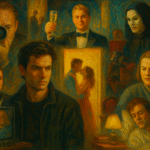
Oil collage of romantic couple framed by watchers, masks, screens, and captive writer—obsessive limerence vs love in film and TV.
Limerence on Screen: When Obsession Looks Like Love
November 9, 2025
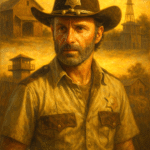
Rick Grimes stands in sunlit prison yard, revolver lowered, machete on hip; fences and distant walkers hint at hard-won leadership.
Rick Grimes leadership themes in The Walking Dead: A Deep Character Study
November 8, 2025
Tom Ripley in 1950s suit on a Venetian pier, stealing a glance at Dickie and Marge on a gondola—envy, mimicry, and assumed identity
Tom Ripley and the seduction of envy
November 7, 2025
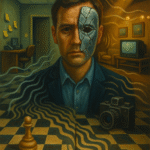
Man with cracked mask over half his face on warped checkerboard; office vs. living-room split, vintage camera—sanity unraveling.
Fragility of Sanity: How Rational Minds Unravel
November 6, 2025
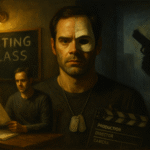
Barry with a half-theatre mask between an acting class and a shadowed gun silhouette—double life of vulnerability and violence.
Barry Berkman: The Double Life of Violence and Vulnerability
November 5, 2025
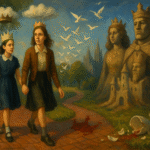
Two schoolgirls with paper crowns walk a garden path toward giant monarch statues; journal pages become birds—Borovnia fantasy vs. reality.
Fantasy and Control in Heavenly Creatures: Pauline Parker Psychological Profile
November 4, 2025
Surreal oil collage: man before mirrors, split paths and doors, film reel, chess pieces and mask—haunted by the self he could have been.
Haunted by Potential: The Characters Who Fear Who They Could’ve Been
November 3, 2025
Eleanor Shellstrop holds a ‘Try Again’ clipboard beside a trolley-problem chalkboard in a sunny Good Place village—ethics and growth.
Eleanor Shellstrop (The Good Place): Morality, Growth, and the Comedy of Redemption
November 2, 2025
Triptych of Tony Montana: Miami arrival under ‘The World Is Yours,’ power at the desk, and tragic fall—desire, ambition, moral decay.
Scarface Tony Montana analysis: Desire, Ambition, and Moral Decay
November 1, 2025
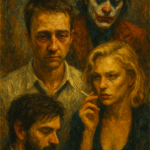
Triptych mirror with Joker’s shadow, Amy-like woman writing, and Don Draper–type ad man; shattered shards reflect our flaws and identities.
The Mirror Effect: Why We Fall for Characters Who Reflect Our Flaws
October 31, 2025
Tommy Shelby in flat cap and dark suit, cigarette in mouth, holding a pocket watch; horse and smokestacks behind—post-WWI Birmingham.
Tommy Shelby: The Trauma and Ambition That Forged a Peaky Blinders Empire
October 30, 2025
Margot Tenenbaum in a bathtub with green tiles, fur coat and cigarette—stoic gaze capturing emotional distance.
Margot Tenenbaum’s Guarded Heart: A Psychological Reading
October 29, 2025
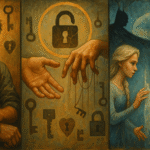
Triptych of Joel, puppet-string hands with keys, and Elsa facing Anna—symbolizing savior complex and the line between help and control.
The Psychology of Helping: Savior Complex and When Helping Becomes Control
October 28, 2025
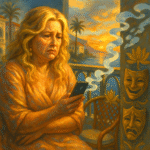
Tanya McQuoid on a resort balcony at sunset, staring at an unread message; comedy/tragedy masks and lotus motifs signal lonely disconnection.
Tanya McQuoid and the Tragicomedy of Loneliness in The White Lotus
October 27, 2025
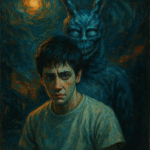
A surreal oil painting depicting a teenage boy standing under a swirling night sky with a glowing time vortex and a shadowy rabbit figure in the mist. Inspired by the film Donnie Darko, it symbolizes time loops, guilt, and adolescence through dreamlike lighting and deep blue-purple tones.
Exploring Time Loops: Guilt and Adolescence in ‘Donnie Darko’
October 26, 2025
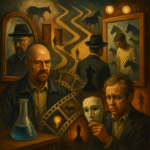
Film-strip collage of Walter White, Rue with pill bottle, and Dani in flower crown, symbolizing repetition compulsion and trauma in storytelling.
Why Do Characters Relive Trauma? Exploring Repetition Compulsion
October 25, 2025
A cinematic oil painting inspired by Yellowjackets, showing Lottie Matthews standing in a misty forest surrounded by candle-holding followers — symbolizing the rise of her cult, faith, and trauma.
Lottie Matthews’ Cult: An Analysis of Trauma and Faith in Yellowjackets
October 24, 2025
A cinematic oil painting inspired by Léon: The Professional, showing a stoic hitman cleaning his gun beside a young girl gazing out a window, bathed in soft light — symbolizing the balance between innocence and violence.
Innocence and Violence in Léon: A Deep-Dive Analysis of The Professional
October 23, 2025
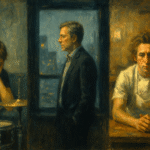
A cinematic oil painting depicting three symbolic figures — a jazz drummer under harsh light, a businessman frozen before a city skyline, and a chef in a tense kitchen — representing the fear of stagnation and emotional pressure in modern storytelling.
The Fear of Stagnation: Analyzing Its Cultural and Psychological Significance in Modern Storytelling
October 22, 2025
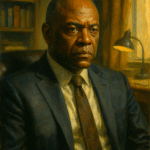
An oil painting inspired by The Blacklist, depicting a calm and authoritative man symbolizing Harold Cooper standing in a shadowy FBI office surrounded by monitors and files, radiating stoicism and leadership.
Harold Cooper Blacklist: The Stoic Leader
October 21, 2025
An oil painting depicting HAL 9000’s glowing red eye inside a futuristic spacecraft, symbolizing artificial intelligence consciousness and emotional complexity from 2001: A Space Odyssey, painted in metallic blues and warm red tones.
Inside the Mind of HAL 9000: When Machines Learn to Feel
October 20, 2025
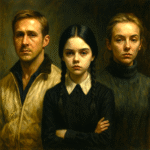
An oil painting depicting three emotionally detached figures — a quiet driver in a dim city, a pale girl with braids staring blankly, and a stylish woman with a cold smile — rendered in muted colors and soft light to symbolize isolation and introspection.
The Psychology of Detachment: Why Some Characters Feel Too Little, Not Too Much
October 19, 2025
An oil painting inspired by Only Murders in the Building, showing a young woman symbolizing Mabel Mora standing in a vintage New York apartment hallway illuminated by warm light, surrounded by mystery and subtle crime-related details.
Mabel Mora: Solitude, Curiosity, and the True-Crime Psyche
October 18, 2025
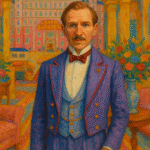
An oil painting inspired by The Grand Budapest Hotel showing Gustave H. in his purple concierge uniform standing in front of the pastel-pink hotel surrounded by colorful mountains, symbolizing elegance, nostalgia, and decay in Wes Anderson’s cinematic world.
The Grand Budapest Hotel’s Gustave H.: Perfectionism, Decay, and the Art of Elegance
October 17, 2025
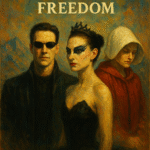
An oil painting symbolizing the paradox of control and freedom, featuring a ballerina between light and shadow, a woman in a red cloak walking toward an open door, and a figure choosing between mechanical and organic paths, inspired by The Matrix, Black Swan, and The Handmaid’s Tale.
The Paradox of Control and Freedom
October 16, 2025
An oil painting of Daenerys Targaryen standing before a burning city with a dragon flying overhead, symbolizing her power, descent into madness, and destiny in Game of Thrones, illuminated by fiery tones and dramatic shadows.
Daenerys Targaryen: Power, Madness in Game of Thrones
October 15, 2025
A realistic oil painting of a man and a woman walking together along the Seine River at sunset in Paris, with golden light reflecting on the water, symbolizing nostalgia, emotional connection, and unspoken romantic tension inspired by Before Sunset.
Céline in ‘Before Sunset’: Navigating Nostalgia and the Fear of Settling in Relationships
October 14, 2025
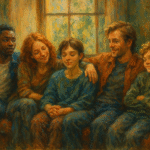
An impressionistic oil painting showing a diverse group of people from different backgrounds gathered in a warm living room, sharing laughter and closeness, representing the concept of found families and the psychology of belonging.
The Psychology of Found Families in Media
October 13, 2025
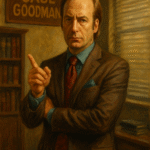
A realistic oil painting of Saul Goodman in his colorful law office, half smiling confidently and half shadowed in moral conflict, symbolizing his dual identity and ethical struggles in Better Call Saul and Breaking Bad.
Saul Goodman: The Psychology of Reinvention and Moral Compromise
October 12, 2025
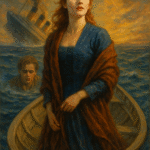
A romantic oil painting of Jack Dawson and Rose standing on the deck of the Titanic at sunset, symbolizing love, sacrifice, and heroism with warm light and ocean waves in the background.
Jack in Titanic: A Deep Dive into the Psychology of Romantic Heroes
October 10, 2025
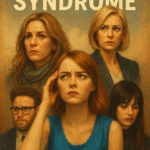
A realistic oil painting of an adult sitting in a daylight-filled apartment surrounded by childhood objects like toys and comics, symbolizing the emotional struggle of the Peter Pan Syndrome — the refusal to grow up.
Understanding the Peter Pan Syndrome: Characters Who Refuse to Grow Up
October 9, 2025
An oil painting of Nandor the Relentless from What We Do in the Shadows, standing in a candlelit Gothic mansion. The artwork captures his regal yet melancholic expression, symbolizing immortality, loneliness, and the struggle to remain relevant in a changing world.
Nandor in What We Do in the Shadows: Immortality and Relevance
October 8, 2025
An oil painting of a young female FBI trainee standing in a dimly lit hallway, symbolizing courage and vulnerability. Inspired by Clarice Starling from Silence of the Lambs, the artwork captures themes of fear, determination, and gender dynamics in a male-dominated world.
Gender Roles in Silence of the Lambs
October 7, 2025
An oil painting depicting four outsider characters from film and television, each representing different forms of alienation and belonging, painted in a cinematic, semi-realistic style.
The Outsider Archetype: Exploring Belonging, Alienation, and Creative Power in Media
October 6, 2025
Oil painting of Geralt of Rivia, the Witcher, depicted with stoic expression, symbolic lighting, and dark fantasy atmosphere representing themes of trauma, destiny, and resilience.
Geralt of Rivia: Exploring Stoicism, Trauma, and Destiny in The Witcher
October 5, 2025
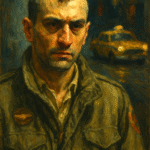
A realistic oil painting of Travis Bickle from Taxi Driver, sitting alone in his taxi, symbolizing loneliness and urban isolation.
Exploring Loneliness in ‘Taxi Driver’
October 4, 2025
Semi-realistic oil painting of a powerful woman in abstract tones, symbolizing femininity, control, and the psychological cost of power in media narratives.
The Overpowering Feminine: Control, Masculine Energy, and the Cost of Power
October 3, 2025
Oil painting portrait of Sydney Adamu from The Bear, showcasing creativity, vulnerability, and emotional resilience in the arts.
Sydney Adamu: Creativity, Control, and the Fear of Not Being Enough
October 2, 2025
Oil painting of Forrest Gump sitting on a park bench with a suitcase, symbolizing innocence and destiny, in an impressionistic cinematic style.
Forrest Gump: Exploring Innocence in Forrest Gump
October 1, 2025
Oil painting-style illustration symbolizing narrative therapy, showing individuals rewriting their life stories and transforming struggles into empowerment.
Exploring Narrative Therapy in Media: Character Development and Empowerment
September 30, 2025
Oil painting of Maeve Wiley, portrayed by Emma Mackey, from Netflix’s Sex Education, with expressive brushstrokes highlighting her resilience.
Understanding Maeve Wiley Sex Education
September 29, 2025
Oil painting-style portrait of Amy March from Little Women, portraying her ambition and artistic elegance, inspired by her journey in the 1994 and 2019 film adaptations.
Exploring Amy March in Little Women: Ambition and Jealousy
September 28, 2025
Oil painting of a lone figure walking on a path surrounded by bright, abstract landscapes, symbolizing the fear of mediocrity and the search for meaning in life.
The Fear of Mediocrity: A Psychological Exploration in Character Development
September 27, 2025
Realistic digital painting of Negan from The Walking Dead, portrayed as a cult leader holding Lucille the bat, symbolizing charisma, fear, and psychological control.
Understanding the Psychology of a Cult Leader: Negan in The Walking Dead
September 26, 2025
Oil painting of Jordan Belfort in The Wolf of Wall Street, symbolizing addiction, greed, and power on Wall Street.
The Wolf of Wall Street: A Deep Dive into Addiction, Greed, and Power
September 25, 2025
Oil painting of a soldier reflecting during wartime, symbolizing the psychological conflict of moral injury, duty versus humanity.
Moral Injury in War Films: When Duty Conflicts with Humanity
September 24, 2025
Oil painting of Rory Gilmore from Gilmore Girls, inspired by her journey of ambition, perfectionism, and fear of failure.
Rory Gilmore’s Fear of Failure: A Gilmore Girls Character Study
September 23, 2025
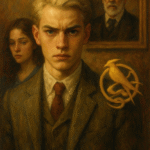
Oil painting of young Coriolanus Snow from The Hunger Games: The Ballad of Songbirds and Snakes, symbolizing his rise from privilege to tyranny.
The Making of a Tyrant: Love, Power, and Coriolanus Snow in The Hunger Games Ballad of Songbirds and Snakes
September 22, 2025
Oil painting of a young man in emotional conflict, symbolizing the fear of intimacy and the struggle to open up in relationships.
The Fear of Intimacy: Why Some Characters Run from Love
September 21, 2025
Digital painting of Starlight from The Boys, symbolizing integrity, resistance, and moral courage against Vought’s corruption.
Character Development in The Boys’ Starlight: A Beacon of Integrity in a Corrupt World
September 19, 2025
Oil painting of Maximus Decimus Meridius in Gladiator, symbolizing revenge, grief, and resilience.
Exploring the Psychology of Revenge in Gladiator
September 18, 2025
A realistic oil painting showing multiple film and TV characters burdened with emotional labor, their faces and body language expressing exhaustion, resilience, and hidden strength, symbolizing the invisible emotional work in storytelling.
The Invisible Burden: Emotional Labor as a Narrative Force
September 17, 2025
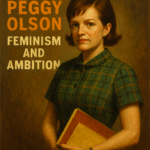
Oil painting of Peggy Olson from Mad Men symbolizing feminism, ambition, and breaking barriers in the 1960s workplace.
Peggy Olson in Mad Men: A Symbol of Feminism and Ambition
September 15, 2025
An oil painting of Rose DeWitt Bukater from Titanic, symbolizing survival, guilt, resilience, and self-reinvention after the shipwreck.
Titanic Rose’s Survival Story: Guilt, Resilience, and Self-Reinvention
September 14, 2025
Oil painting-style digital artwork depicting characters from film and TV symbolizing collective trauma, grief, and resilience, with muted colors to convey emotional depth and invisible wounds.
Collective Trauma in Film and TV: How Groups Carry Invisible Wounds
September 13, 2025
An oil painting of Yorkie and Kelly from Black Mirror’s San Junipero, embracing on a beach at sunset, symbolizing love, memory, and the digital afterlife.
Exploring Love and Mortality in Black Mirror’s ‘San Junipero’: A Journey into the Digital Afterlife
September 12, 2025
Oil painting of Scarlett O’Hara from Gone with the Wind, symbolizing survival, narcissism, and emotional resilience during the Civil War and Reconstruction era.
Psychological Themes in Gone with the Wind: Scarlett O’Hara’s Survival, Narcissism, and Emotional Adaptability
September 11, 2025
Oil painting of iconic characters Walter White, Tony Stark, Cersei Lannister, and Frodo Baggins, symbolizing shame’s role in character design and storytelling.
The Role of Shame in Character Design
September 10, 2025
Oil painting of June Osborne from The Handmaid's Tale, symbolizing resistance, survival, and hope against oppression.
June Character Analysis in The Handmaid’s Tale: Survival, Resistance, and the Weight of Hope
September 9, 2025
Oil painting of Patrick Bateman from American Psycho, wearing a suit and holding a bloodied knife, symbolizing capitalism, narcissism, and the hollow self.
American Psycho: A Deep Dive into Patrick Bateman, Capitalism, and the Hollow Self
September 8, 2025
Oil painting of famous self-destructive characters from film, representing the psychological death drive and themes of Thanatos.
Self-Destructive Characters in Film
September 7, 2025
Dolores Abernathy in Westworld, painted in a semi-realistic oil painting style, symbolizing free will versus the illusion of choice.
Westworld: Free Will vs. the Illusion of Choice
September 6, 2025
Oil painting of Truman Burbank from The Truman Show, symbolizing identity, reality, and the search for authenticity.
Identity and Reality in ‘The Truman Show’
September 4, 2025
Semi-realistic illustration of characters from film and TV struggling with impostor syndrome, including Elizabeth Gilbert, Andy Sachs, Mia Dolan, and Fred Flarsky.
Impostor Syndrome in Film: Characters Who Feel Like Frauds Despite Success
September 3, 2025
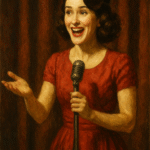
Oil painting of Midge Maisel performing stand-up comedy in a vintage 1950s club, representing feminism and empowerment through humor.
Humor as Feminist Rebellion in The Marvelous Mrs. Maisel
September 2, 2025
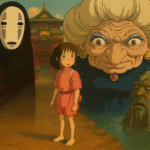
Chihiro from Spirited Away facing mystical spirits, representing childhood fear, innocence, and growth.
Fear and Innocence in Childhood: A Deep Dive into Spirited Away
September 1, 2025
Oil painting of famous fictional characters facing fear of success and self-sabotage, including Walter White, Frodo, Carrie Bradshaw, Don Draper, Michael Scott, and Moira Rose.
The Psychological Impacts of Success and Self-Sabotage in Characters
August 31, 2025
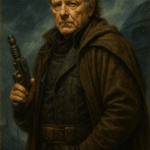
Oil painting of Luthen Rael from Andor, depicting his inner conflict, sacrifice, and revolutionary struggle against the Galactic Empire.
Luthen Rael (Andor): Sacrificing Humanity for Revolution
August 30, 2025
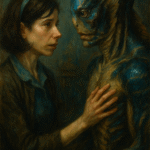
An oil painting-style illustration of Elisa Esposito and the Amphibian Man from The Shape of Water, symbolizing themes of love, loneliness, and Otherness.
Exploring Otherness in The Shape of Water
August 29, 2025
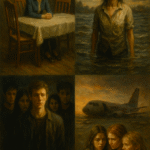
Oil painting-style illustration showing characters from The Leftovers, The Impossible, 13 Reasons Why, and The Wilds, symbolizing survivor’s guilt, trauma, and resilience.
Survivor’s Guilt in Films: An In-Depth Analysis
August 28, 2025
Oil painting of Sherlock Holmes in BBC series style, showing his genius, isolation, and emotional struggles with John Watson nearby.
Sherlock Holmes BBC Series: An Exploration of Genius and Isolation
August 27, 2025
Oil painting of Terence Fletcher from Whiplash, portraying the intense and abusive mentor pushing a young drummer to greatness through fear and psychological pressure.
Whiplash’s Fletcher: A Fine Line Between Abuse and Greatness
August 26, 2025
An artistic oil-style painting depicting the Final Girl archetype in horror media, symbolizing survival, resilience, and empowerment in slasher films.
The Final Girl Trope in Horror Media: A Deep Dive into the Feminine Archetype
August 25, 2025
Realistic classical oil painting of Eve Polastri from Killing Eve holding a bloodied knife, symbolizing her transformation from civilian investigator to dangerous operative
Posted inTV Character Analysis

Killing Eve Themes: From Civilian To Dangerous

Analyze Killing Eve themes as Eve Polastri shifts from bored civilian into a dangerous obsession. Learn how MI6 and Villanelle license her dark transformation.
Continue Reading
Posted by Screen Psyche January 12, 2026
Bright classic oil painting of Marty McFly standing between past and future versions of his family in Hill Valley, symbolising teenage identity conflict and self-authorship in Back to the Future
Posted inFilm Character Analysis

Marty McFly: In A Teenage Identity Tug-Of-War

Discover Marty McFly Who he is vs who he becomes in this deep dive into teenage identity. Learn how time travel helps rewrite family patterns and find agency.
Continue Reading
Posted by Screen Psyche January 8, 2026
Classic oil painting of two young women absorbed in their phones and laptop in a bright bedroom, symbolising parasocial attachment and one-sided emotional bonds with media figures
Posted inPsychological Concepts via Characters

Parasocial Attachment: Loving a Person Who Doesn’t Know You

Discover how Film and TV characters foster parasocial bonds in hits like Swarm. Learn why one-sided emotional relationships feel real and shape fan identities.
Continue Reading
Posted by Screen Psyche January 4, 2026
Classic oil painting of Shinji Ikari in his 01 plug suit sitting in a ruined control room, holding his head as Evangelion Unit-01 looms over a devastated city outside the window
Posted inTV Character Analysis

Neon Genesis Evangelion Shinji Ikari: A Hidden Psychological Truth

Go beyond the "whiny" stereotype of Shinji Ikari. This character study of Neon Genesis Evangelion analyzes the deep trauma and psychology behind why he pilots.
Continue Reading
Posted by Screen Psyche December 30, 2025
Realistic oil painting of a female astronaut drifting in space, reaching toward Earth with a worried expression, symbolising the fear of returning to Earth in Gravity
Posted inFilm Character Analysis

From Drifting to Grounded: The Fear of Returning to Earth

Explore how Gravity visualizes trauma. This analysis unpacks Ryan Stone’s journey from drifting to grounded, revealing her fear of returning to a life of grief.
Continue Reading
Posted by Screen Psyche December 26, 2025
Classic oil painting of Dolores Umbridge calmly watching Harry Potter write lines with a blood quill, illustrating just world belief and victim blaming
Posted inPsychological Concepts via Characters

Just World Belief Examples: How Victim‑Blaming Powers Story Conflict

Discover how the Just World Belief powers on-screen victim-blaming. We analyze how writers use this psychological bias to create conflict and villains in film &
Continue Reading
Posted by Screen Psyche December 22, 2025
Realistic classical oil painting of Eve Polastri from Killing Eve holding a bloodied knife, symbolizing her transformation from civilian investigator to dangerous operative
Posted inTV Character Analysis

Killing Eve Themes: From Civilian To Dangerous

Analyze Killing Eve themes as Eve Polastri shifts from bored civilian into a dangerous obsession. Learn how MI6 and Villanelle license her dark transformation.
Posted by Screen Psyche January 12, 2026
Bright classic oil painting of Marty McFly standing between past and future versions of his family in Hill Valley, symbolising teenage identity conflict and self-authorship in Back to the Future
Posted inFilm Character Analysis

Marty McFly: In A Teenage Identity Tug-Of-War

Discover Marty McFly Who he is vs who he becomes in this deep dive into teenage identity. Learn how time travel helps rewrite family patterns and find agency.
Posted by Screen Psyche January 8, 2026
Classic oil painting of two young women absorbed in their phones and laptop in a bright bedroom, symbolising parasocial attachment and one-sided emotional bonds with media figures
Posted inPsychological Concepts via Characters

Parasocial Attachment: Loving a Person Who Doesn’t Know You

Discover how Film and TV characters foster parasocial bonds in hits like Swarm. Learn why one-sided emotional relationships feel real and shape fan identities.
Posted by Screen Psyche January 4, 2026
Classic oil painting of Shinji Ikari in his 01 plug suit sitting in a ruined control room, holding his head as Evangelion Unit-01 looms over a devastated city outside the window
Posted inTV Character Analysis

Neon Genesis Evangelion Shinji Ikari: A Hidden Psychological Truth

Go beyond the "whiny" stereotype of Shinji Ikari. This character study of Neon Genesis Evangelion analyzes the deep trauma and psychology behind why he pilots.
Posted by Screen Psyche December 30, 2025
Realistic oil painting of a female astronaut drifting in space, reaching toward Earth with a worried expression, symbolising the fear of returning to Earth in Gravity
Posted inFilm Character Analysis

From Drifting to Grounded: The Fear of Returning to Earth

Explore how Gravity visualizes trauma. This analysis unpacks Ryan Stone’s journey from drifting to grounded, revealing her fear of returning to a life of grief.
Posted by Screen Psyche December 26, 2025
Classic oil painting of Dolores Umbridge calmly watching Harry Potter write lines with a blood quill, illustrating just world belief and victim blaming
Posted inPsychological Concepts via Characters

Just World Belief Examples: How Victim‑Blaming Powers Story Conflict

Discover how the Just World Belief powers on-screen victim-blaming. We analyze how writers use this psychological bias to create conflict and villains in film &
Posted by Screen Psyche December 22, 2025
Classic oil painting of Beth Dutton standing in front of a burning ranch house with Rip Wheeler in the background, symbolising rage, loyalty and survival
Posted inTV Character Analysis

Beth Dutton Rage and Loyalty: A Trauma-Informed Psychological Character Study

Unpack the psychology of Beth Dutton rage. This trauma-informed character study explains how her fierce loyalty & explosive anger are survival skills born from
Posted by Screen Psyche December 18, 2025
Oil painting of a pensive young man in a suit sitting indoors while a small group talks outside the window, symbolising the romantic projection and loneliness in 500 Days of Summer
Posted inFilm Character Analysis

Tom Hansen in (500) Days of Summer: Mistaking Projection for Proof of Love

SPOILER WARNING: This article discusses key plot points and the ending of (500) Days of Summer. If you haven't seen the film and want to avoid spoilers, stop here. So, is…
Posted by Screen Psyche December 16, 2025
A man sits alone at a birthday party, staring blankly at a cake while others laugh behind him, symbolizing anhedonia and emotional numbness in fictional characters.
Posted inPsychological Concepts via Characters

Anhedonia in Film: Film Characters Who Can’t Feel Pleasure

Fictional characters who can’t feel pleasure often embody anhedonia: a reduced ability to experience joy, interest, or reward from things that should feel good. On screen, this can look like…
Posted by Screen Psyche December 14, 2025
Classic oil painting of Wendy Byrde gripping Marty Byrde’s face in a tense close conversation, symbolising power and manipulation in Ozark
Posted inTV Character Analysis

Ozark Wendy Byrde power and manipulation — The Cost of Control

Few TV characters map a transformation from 'supportive spouse' to pragmatic political operator as convincingly — and disturbingly — as Wendy Byrde. In Ozark, Wendy's rise is not just a…
Posted by Screen Psyche December 12, 2025

Posts pagination

1 2 3 … 21 Next page

Recent Posts

  • Killing Eve Themes: From Civilian To Dangerous
  • Marty McFly: In A Teenage Identity Tug-Of-War
  • Parasocial Attachment: Loving a Person Who Doesn’t Know You
  • Neon Genesis Evangelion Shinji Ikari: A Hidden Psychological Truth
  • From Drifting to Grounded: The Fear of Returning to Earth

Recent Comments

  1. Killing Eve Themes: From Civilian To Dangerous - screenpsyche.com on The Trauma Bond: Why Characters Stay in Toxic Relationships
  2. Killing Eve Themes: From Civilian To Dangerous - screenpsyche.com on Charm and Chaos in Killing Eve: A Deep Dive into Villanelle
  3. Parasocial Attachment: Loving a Person Who Doesn’t Know You on The Double Life of Severus Snape: Love, Bitterness, and Redemption in Harry Potter
  4. Kendall on Peggy Olson in Mad Men: A Symbol of Feminism and Ambition
  5. From Drifting to Grounded: The Fear of Returning to Earth on Sherlock Holmes BBC Series: An Exploration of Genius and Isolation

Archives

  • January 2026
  • December 2025
  • November 2025
  • October 2025
  • September 2025
  • August 2025
  • July 2025

Categories

  • Film Character Analysis
  • Psychological Concepts via Characters
  • TV Character Analysis
You May Have Missed
Realistic classical oil painting of Eve Polastri from Killing Eve holding a bloodied knife, symbolizing her transformation from civilian investigator to dangerous operative
Posted inTV Character Analysis

Killing Eve Themes: From Civilian To Dangerous

Posted by Screen Psyche January 12, 2026
Bright classic oil painting of Marty McFly standing between past and future versions of his family in Hill Valley, symbolising teenage identity conflict and self-authorship in Back to the Future
Posted inFilm Character Analysis

Marty McFly: In A Teenage Identity Tug-Of-War

Posted by Screen Psyche January 8, 2026
Classic oil painting of two young women absorbed in their phones and laptop in a bright bedroom, symbolising parasocial attachment and one-sided emotional bonds with media figures
Posted inPsychological Concepts via Characters

Parasocial Attachment: Loving a Person Who Doesn’t Know You

Posted by Screen Psyche January 4, 2026
Classic oil painting of Shinji Ikari in his 01 plug suit sitting in a ruined control room, holding his head as Evangelion Unit-01 looms over a devastated city outside the window
Posted inTV Character Analysis

Neon Genesis Evangelion Shinji Ikari: A Hidden Psychological Truth

Posted by Screen Psyche December 30, 2025
Search
Categories
  • Film Character Analysis
  • Psychological Concepts via Characters
  • TV Character Analysis
Archives
  • January 2026
  • December 2025
  • November 2025
  • October 2025
  • September 2025
  • August 2025
  • July 2025
Copyright 2026 — screenpsyche.com. All rights reserved. Bloghash WordPress Theme
Scroll to Top