Skip to content
screenpsyche.com
  • Home
  • Categories
    • Film Character Analysis
    • TV Character Analysis
    • Psychological Concepts via Characters
  • About Us
Subscribe

Year: 2025

  • Home
  • 2025
  • Page 9
Oil painting of Scarlett O’Hara from Gone with the Wind, symbolizing survival, narcissism, and emotional resilience during the Civil War and Reconstruction era.
Posted inFilm Character Analysis

Psychological Themes in Gone with the Wind: Scarlett O’Hara’s Survival, Narcissism, and Emotional Adaptability

Scarlett O’Hara, one of American literature’s most iconic characters, embodies a complex interplay of survival instincts, narcissism, and emotional adaptability. Margaret Mitchell’s 1936 novel, Gone with the Wind, uses the backdrop…
Posted by Screen Psyche September 11, 2025
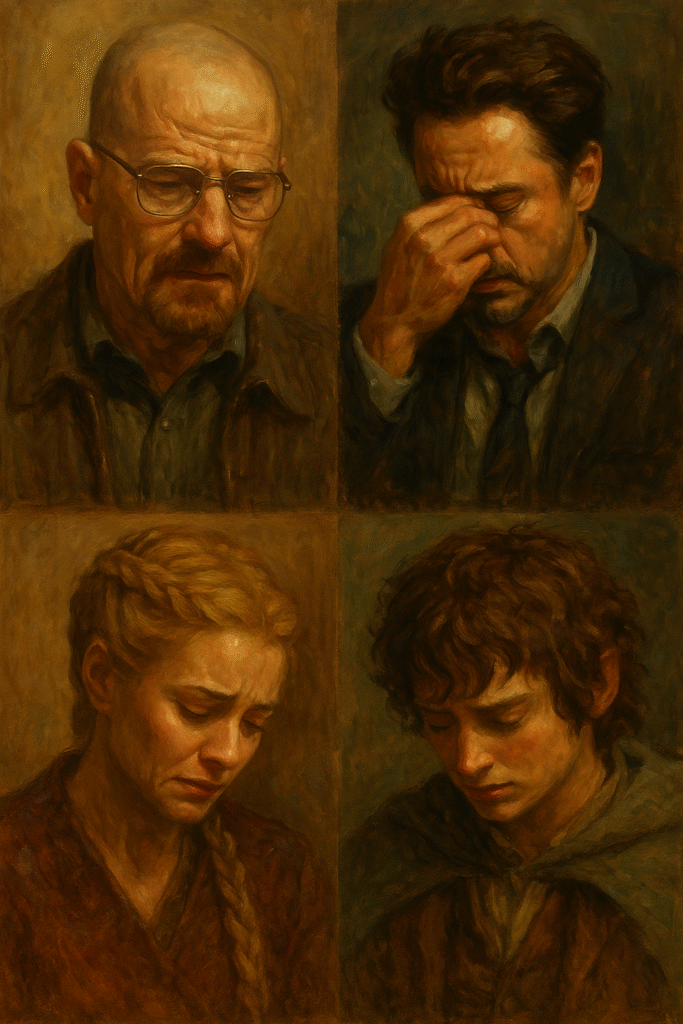
Oil painting of iconic characters Walter White, Tony Stark, Cersei Lannister, and Frodo Baggins, symbolizing shame’s role in character design and storytelling.
Posted inPsychological Concepts via Characters

The Role of Shame in Character Design

Shame: a universal human emotion, a powerful narrative tool. It can erode a character's identity, drive them to extremes, or pave the path to redemption. This exploration delves into the…
Posted by Screen Psyche September 10, 2025
Oil painting of June Osborne from The Handmaid's Tale, symbolizing resistance, survival, and hope against oppression.
Posted inTV Character Analysis

June Character Analysis in The Handmaid’s Tale: Survival, Resistance, and the Weight of Hope

Margaret Atwood's dystopian masterpiece, "The Handmaid's Tale," remains strikingly relevant in today's world. The novel's exploration of women's rights, individual freedom, and totalitarian regimes resonates with contemporary concerns about authoritarianism,…
Posted by Screen Psyche September 9, 2025
Oil painting of Patrick Bateman from American Psycho, wearing a suit and holding a bloodied knife, symbolizing capitalism, narcissism, and the hollow self.
Posted inFilm Character Analysis

American Psycho: A Deep Dive into Patrick Bateman, Capitalism, and the Hollow Self

Bret Easton Ellis’s 1991 novel, American Psycho, remains a chillingly relevant exploration of 1980s excess, American materialism, and the complexities of the human psyche. This analysis delves into the protagonist, Patrick…
Posted by Screen Psyche September 8, 2025
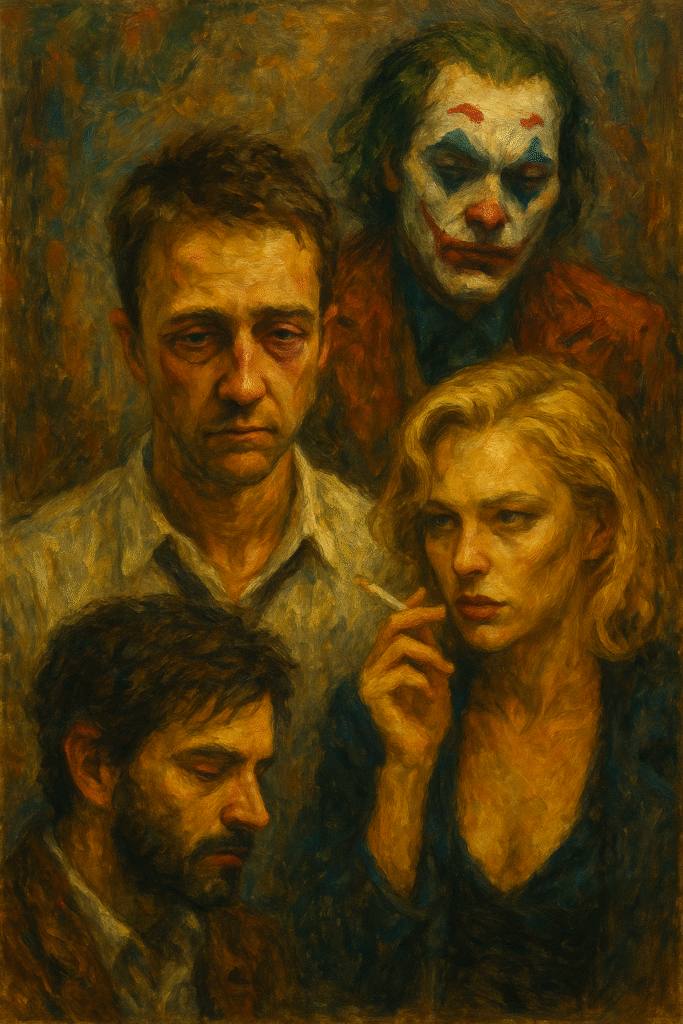
Oil painting of famous self-destructive characters from film, representing the psychological death drive and themes of Thanatos.
Posted inPsychological Concepts via Characters

Self-Destructive Characters in Film

Introduction to Thanatos and Its Psychological Implications In the realm of psychology, Thanatos refers to the instinctual drive towards death, destruction, or a return to an inanimate state. Coined by Sigmund Freud,…
Posted by Screen Psyche September 7, 2025
Dolores Abernathy in Westworld, painted in a semi-realistic oil painting style, symbolizing free will versus the illusion of choice.
Posted inTV Character Analysis

Westworld: Free Will vs. the Illusion of Choice

HBO's Westworld immerses viewers in a technologically advanced Wild West theme park populated by incredibly lifelike android "hosts." This simulated reality becomes a crucible for exploring profound philosophical questions about consciousness, reality,…
Posted by Screen Psyche September 6, 2025
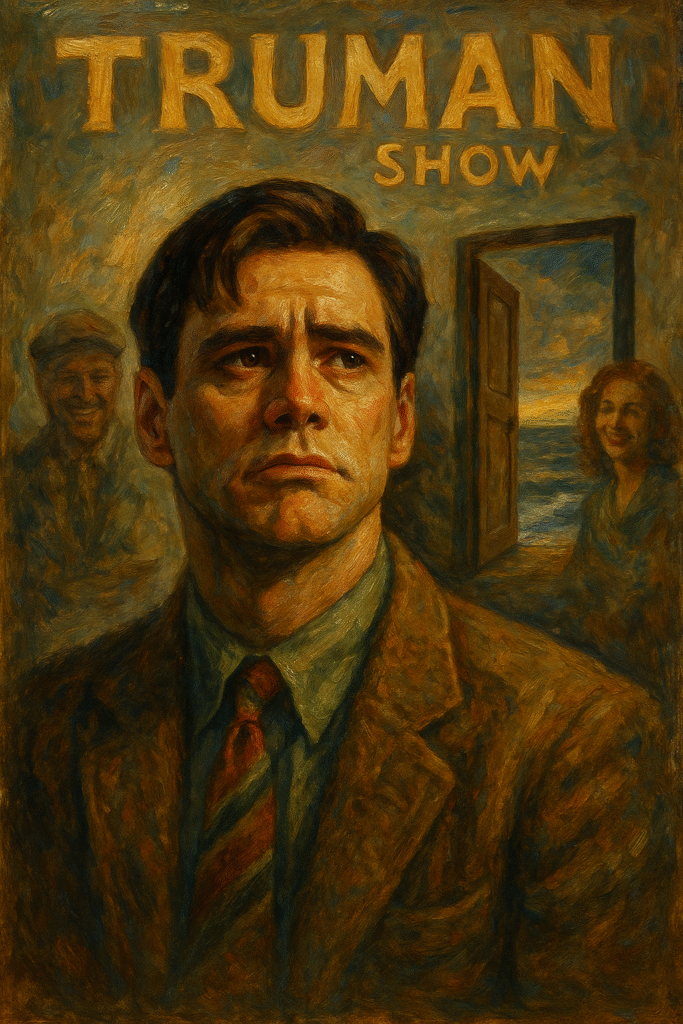
Oil painting of Truman Burbank from The Truman Show, symbolizing identity, reality, and the search for authenticity.
Posted inFilm Character Analysis

Identity and Reality in ‘The Truman Show’

'The Truman Show,' directed by Peter Weir and released in 1998, is a film that has carved its own niche in cinematic history as a profound exploration of identity, reality,…
Posted by Screen Psyche September 4, 2025
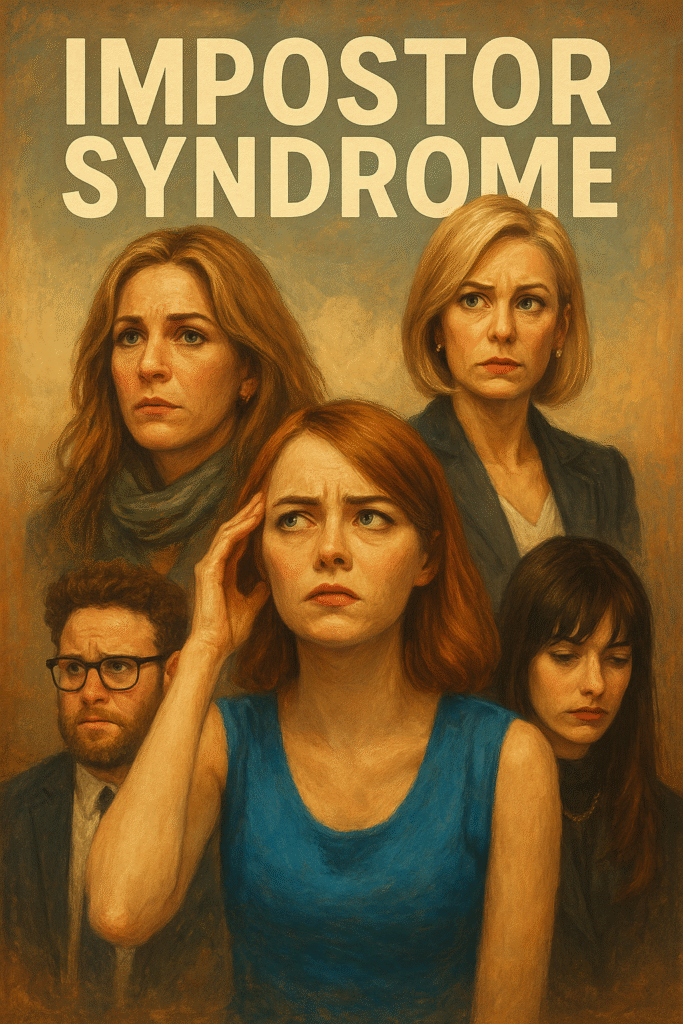
Semi-realistic illustration of characters from film and TV struggling with impostor syndrome, including Elizabeth Gilbert, Andy Sachs, Mia Dolan, and Fred Flarsky.
Posted inPsychological Concepts via Characters

Impostor Syndrome in Film: Characters Who Feel Like Frauds Despite Success

Impostor syndrome, a pervasive psychological phenomenon, affects individuals who doubt their abilities and feel like frauds despite evident accomplishments. This analysis delves into notable fictional characters from film and television…
Posted by Screen Psyche September 3, 2025
Oil painting of Midge Maisel performing stand-up comedy in a vintage 1950s club, representing feminism and empowerment through humor.
Posted inTV Character Analysis

Humor as Feminist Rebellion in The Marvelous Mrs. Maisel

In The Marvelous Mrs. Maisel, we are introduced to Miriam “Midge” Maisel, a housewife in 1950s New York City who embarks on a groundbreaking career as a stand-up comedian. Midge is…
Posted by Screen Psyche September 2, 2025
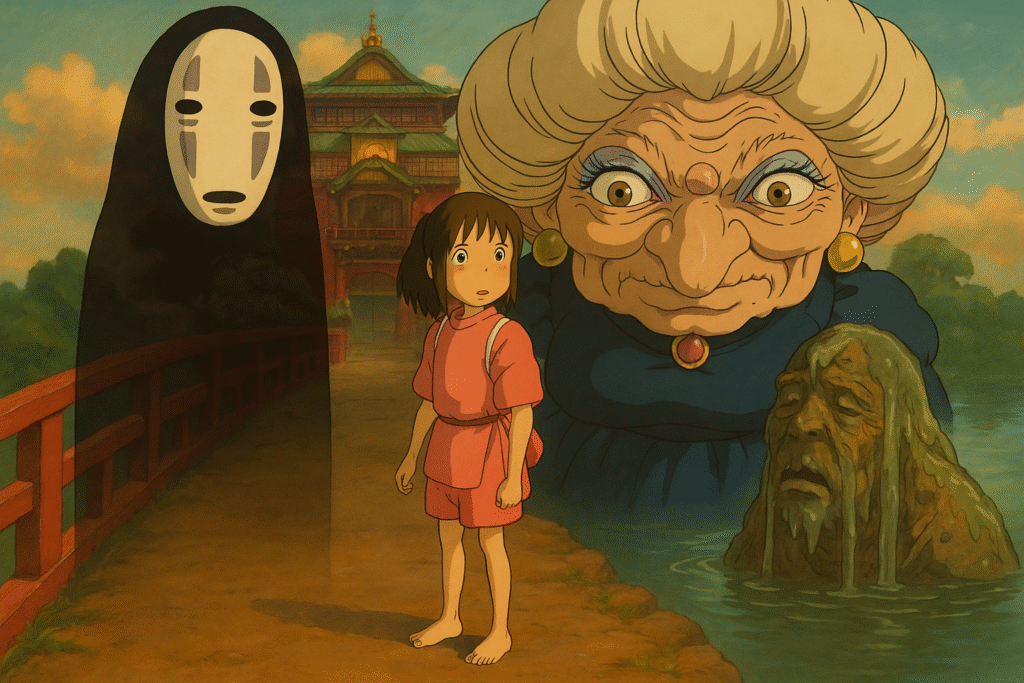
Chihiro from Spirited Away facing mystical spirits, representing childhood fear, innocence, and growth.
Posted inFilm Character Analysis

Fear and Innocence in Childhood: A Deep Dive into Spirited Away

Hayao Miyazaki's Spirited Away (2001) isn't just a visually stunning animated film; it's a profound exploration of childhood fears and the loss of innocence. As Chihiro navigates a magical bathhouse to rescue…
Posted by Screen Psyche September 1, 2025

Posts pagination

Previous page 1 … 7 8 9 10 11 … 21 Next page

Recent Posts

  • When Love Flips To Hate: Analysis Through The Lens Of Splitting
  • George Bailey’s Emotional Burden Of Being Everyone’s Safety Net
  • Self-Objectification: Becoming the Brand You Perform
  • Ego and Mastery in The Bear: How Luca Becomes Carmy’s Healthiest ‘Rival’
  • The Girl With The Dragon Tattoo: Lisbeth Salander And Trust As A System

Recent Comments

  1. Wearing The Mask: Study Of The False Self - screenpsyche.com on Identity and Reality in ‘The Truman Show’
  2. Killing Eve Themes: From Civilian To Dangerous - screenpsyche.com on The Trauma Bond: Why Characters Stay in Toxic Relationships
  3. Killing Eve Themes: From Civilian To Dangerous - screenpsyche.com on Charm and Chaos in Killing Eve: A Deep Dive into Villanelle
  4. Parasocial Attachment: Loving a Person Who Doesn’t Know You on The Double Life of Severus Snape: Love, Bitterness, and Redemption in Harry Potter
  5. Kendall on Peggy Olson in Mad Men: A Symbol of Feminism and Ambition

Archives

  • February 2026
  • January 2026
  • December 2025
  • November 2025
  • October 2025
  • September 2025
  • August 2025
  • July 2025

Categories

  • Film Character Analysis
  • Psychological Concepts via Characters
  • TV Character Analysis
Search
Categories
  • Film Character Analysis
  • Psychological Concepts via Characters
  • TV Character Analysis
Archives
  • February 2026
  • January 2026
  • December 2025
  • November 2025
  • October 2025
  • September 2025
  • August 2025
  • July 2025
Copyright 2026 — screenpsyche.com. All rights reserved. Bloghash WordPress Theme
Scroll to Top