
Fictional characters who can’t feel pleasure often embody anhedonia: a reduced ability to experience joy, interest, or reward from things that should feel good. On screen, this can look like emotional numbness, social withdrawal, or flat reactions—and it powerfully shapes their relationships, choices, and story arcs.
- Anhedonia is more than being cold or stoic; it is a loss of pleasure.
- Screen portrayals of numb characters both reflect and reshape mental health narratives.
- These stories resonate today because many viewers feel burnout and emotional blunting.
The Pleasureless Protagonist Enters The Scene
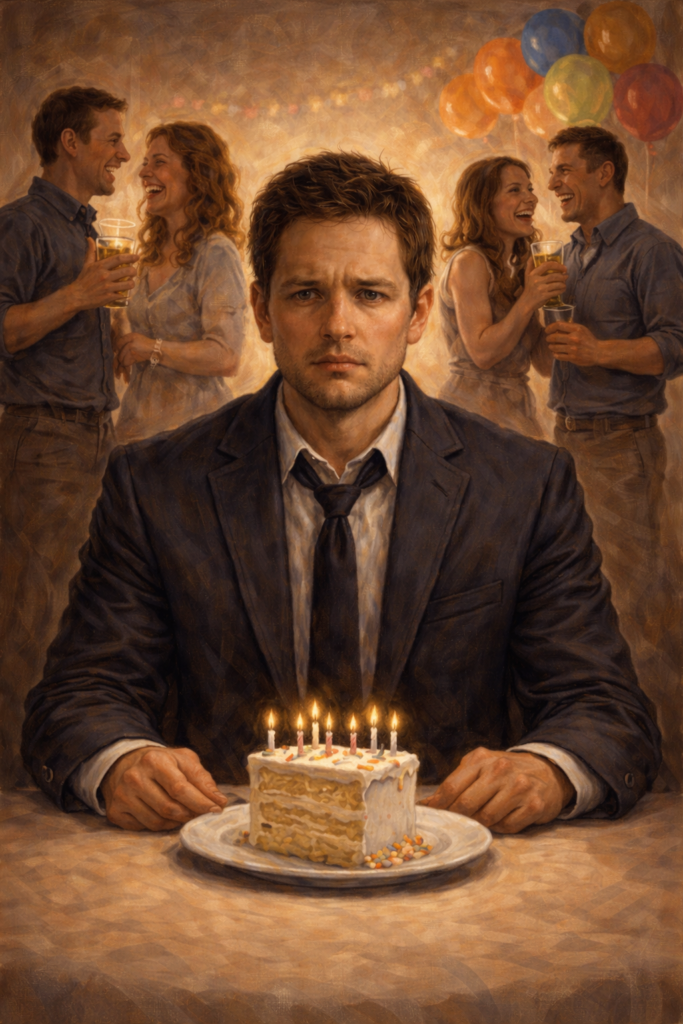
Picture a detective staring at a celebration cake he never tastes, friends laughing around him while he registers almost nothing. He is not simply grumpy or too cool to care; he is cut off from the feeling of joy itself.
That is the emotional world of many film and TV characters built around anhedonia. From haunted antiheroes to dystopian leads, film characters who cannot feel pleasure give us a compelling mix of vulnerability, mystery, and danger.
Anhedonia In Film: When Characters Can’t Feel Joy
In psychology, anhedonia means a diminished capacity to experience pleasure or interest. It is a core symptom of conditions like major depression, and it can also appear in PTSD, schizophrenia, and other mental health struggles—but it can exist on a spectrum rather than as an all‑or‑nothing switch.
On screen, characters with anhedonia often show it in a few key ways:
- Activities they once loved now feel pointless.
- Social invitations are met with indifference or exhaustion.
- Rewards—praise, success, romance—land with a dull thud instead of a spark.
Psychologists sometimes distinguish between:
- Anticipatory anhedonia – trouble feeling excitement about future rewards.
- Consummatory anhedonia – a blunted reaction in the moment.
A character may drag themselves to a date, hoping it will help, yet feel nothing once there. Or they might not even bother to go, because their brain’s reward circuitry and dopamine pathways no longer reliably signal, “This will feel good.”
Different Flavors Of Anhedonia On Screen
Writers tend to cluster anhedonia into three overlapping flavors:
- Social anhedonia – avoiding or feeling detached from friends, family, or romance.
- Physical anhedonia – flat response to food, sex, touch, or sensory pleasures.
- Existential anhedonia – more abstract emptiness, where nothing feels meaningful.
These map neatly onto genres: the shut‑down trauma survivor in drama, the burnt‑out cop in crime stories, the hollow‑eyed hero in dystopian sci‑fi.
Anhedonia Versus Being Emotionless, Cold, Or Cruel
It is easy to confuse emotional numbness with other traits. But for both real people and characters, the “why” behind the flatness matters.
- Anhedonia: “I want to care, but I cannot feel it.” There is often grief about the lost feelings.
- Stoicism: “I feel things, but I choose to stay composed.” This is about values and self‑control.
- Pessimism: “I expect things to go badly.” Feelings may be strong, just skewed negative.
- Psychopathy or sociopathy: reduced empathy and guilt, but not necessarily reduced pleasure.
Many film characters who cannot feel pleasure are misread by others in their story as heartless or selfish. Viewers, however, are often granted private access to their inner life through lingering shots, confessions in voice‑over, or quiet breakdowns. The narrative invites us to see suffering where the diegetic world sees only distance.
The Narrative Archetype: The Character Who Can’t Feel Pleasure
Writers keep returning to characters who are emotionally numbed or pleasureless because anhedonia is a narrative engine.
Common archetypes include:
- The Haunted Detective – brilliant at work, deadened at home.
- The Trauma Survivor – alive but not truly living after a catastrophic event.
- The Dystopian Hero – in a world drained of joy, they mirror the environment.
- The Antihero Addict – chasing intensity because ordinary rewards do nothing.
For storytellers, anhedonia offers:
- Built‑in conflict (they sabotage relationships, refuse help, or take reckless risks just to feel something).
- A clear arc (from numbness toward even a glimmer of connection or meaning).
- Symbolism (their lack of pleasure stands for a culture’s burnout or alienation).
Case Studies: Characters With Anhedonia And Emotional Numbness
Without over‑spoiling major twists, we can look at how several well‑known characters embody different shades of anhedonia in film and anhedonia in TV shows.
1. The Burnt‑Out Detective
Crime dramas often feature a lead who drinks too much, sleeps too little, and stares blankly at both corpses and family dinners, sometimes saying, “I do not feel anything anymore.”
- Psychological read: long‑term exposure to trauma, depression, and possible PTSD driving both social and physical anhedonia.
- Narrative function: their numbness explains why they throw themselves into dangerous work and sets up tension with loved ones begging them to come back to life.
2. The Post‑Trauma Survivor
In many war or disaster films, a survivor returns home and cannot reconnect with everyday pleasures—music, intimacy, simple routines.
- Psychological read: trauma can disrupt reward systems and make safety feel unfamiliar. Joy may even trigger guilt.
- Narrative function: their struggle becomes a lens on the cost of violence, asking whether survival alone equals living.
3. The Dystopian Protagonist
In bleak sci‑fi worlds, leads wander through sterile cities or ruined landscapes, unresponsive to entertainment or romantic gestures.
- Psychological read: chronic stress and hopelessness erode anticipatory pleasure.
- Narrative function: their internal deadness mirrors the dead world—and any flicker of joy becomes a radical act of resistance.
4. The Emotionally Numb Antihero
Some antiheroes numb out not by choice but by repetition: too many losses, too much compromise. They might seek extremes—violence, risk, addiction—just to puncture the fog.
- Psychological read: a mix of anhedonia and maladaptive coping.
- Narrative function: this sets up tragic spirals and, sometimes, hard‑won recovery arcs where soft, ordinary pleasures finally start to matter.
How Anhedonia Shapes Relationships And Plot
For characters with anhedonia, every relationship becomes a problem: how do you stay close to people when their presence does not light up your nervous system the way it used to?
- Romantic plots: partners read numbness as rejection. The character may agree to dates or intimacy hoping to fix things, then feel nothing—creating painful misunderstandings.
- Family dramas: parents feel guilty for not enjoying time with their kids. Children see a blank face and assume they are unlovable.
- Friendship arcs: invitations get turned down, not from hatred but from emptiness.
Narratively, this fuels:
- Attachment conflicts – “Why don’t you care about me?” versus “I do, but I cannot feel it.”
- Turning points – rock‑bottom moments when the character realizes numbness is costing them everything.
- Growth arcs – small scenes where they notice a tiny spark of pleasure—a song, a joke, a shared silence.
Myth Versus Reality: How Accurate Are Screen Portrayals?
Portrayals of anhedonia in film are often emotionally truthful but simplified.
| Aspect | On‑Screen Version | Reality Check |
|---|---|---|
| Intensity | Pleasure is totally gone, all the time. | Anhedonia can fluctuate; some things may still feel mildly good. |
| Cause | One dramatic event flips the switch. | Often develops over time through depression, trauma, or chronic stress. |
| Expression | Always flat, monotone, expressionless. | Many people can smile or perform socially while feeling empty inside. |
| Recovery | A single love interest or epiphany fixes it. | Real change usually involves time, support, and sometimes therapy or treatment. |
Still, when a story takes time to show both the inner longing and the outer flatness, it can give viewers a nuanced window into what living with anhedonia might feel like.
Why Emotionally Numb Characters Resonate Today
We are living in an era of burnout, depression, and emotional overload. Many viewers know what it is to feel:
- Too tired to enjoy things they are “supposed” to love.
- Overstimulated by news, social media, and constant crisis.
- Guilty for feeling nothing when everyone else seems excited.
So when we meet film characters who cannot feel pleasure, they can feel painfully familiar. They put words—and images—to experiences many people have never named. Their emotional numbness says, “You are not the only one who cannot feel like you used to.”
At the same time, these narratives can offer hope. Even small shifts in the character’s reward circuitry—a half‑smile, a genuine laugh, a moment of calm—can echo what behavioral activation therapy tries to do in real life: gently re‑introduce meaningful activities and relationships so the brain has a chance to relearn pleasure.
Ethical Lens: Stigma, Empathy, And Responsibility
Handled well, anhedonia in TV shows can:
- Build empathy, showing that numb characters are often suffering, not selfish.
- Reduce stigma, making it easier for viewers to say, “I feel like that sometimes.”
- Spark conversation about depression, PTSD, and other mental health struggles.
Handled poorly, it can:
- Romanticize emotional suffering as inherently deep or cool.
- Blur anhedonia with cruelty, reinforcing the idea that numb people are dangerous.
- Suggest that love alone “cures” everything, which can shame those who need more support.
The most powerful stories walk a careful line: they neither glamorize the pain nor flatten it into a quick fix.
Seeing Yourself In Numb Characters: Gentle Guidance
If you recognize yourself in these emotionally blunted characters, you are not broken—and you are not alone.
Feeling less joy, finding it hard to connect, or moving through life on autopilot can be signs of stress, depression, or trauma. They can also be understandable responses to overwhelming circumstances. Numb (2007) – Film Review and Character Study Depression and the cinema
A few supportive steps you might consider:
- Name it: even the word “anhedonia” can help you make sense of what is happening.
- Talk about it: sharing with a trusted friend, family member, or therapist can lessen the isolation.
- Seek professional support: a mental health professional can help you explore options; this is educational, not medical advice.
You deserve more than just surviving your own story. If these characters speak to you, let that be a nudge toward curiosity and care for your own nervous system.
Finding Yourself Through The Characters You Love
We started with the pleasureless character at the party, staring at cake he cannot taste. By the end of many stories, he may not transform into a bubbly extrovert—but maybe he takes one small bite, or lets himself enjoy a private joke, or simply stays in the room instead of walking away.
That is the quiet power of fictional characters who cannot feel pleasure. They remind us that numbness itself is a chapter, not the whole book. Watching their arcs, we are invited to ask: Where am I numb? What tiny sparks still reach me? What might my own next scene of reconnection look like?
At Screenpsyche, that is the core question: how can understanding these characters help you understand yourself—with more compassion, more nuance, and a little more hope.
Frequently Asked Questions
What is the difference between anhedonia and stoicism in fictional characters?
Stoic characters intentionally suppress emotions to demonstrate strength or control, whereas anhedonic characters lack the biological or psychological capacity to feel joy. While a stoic hero might enjoy a victory privately, a character who can’t feel pleasure experiences a fundamental disconnect, making their struggle internal and involuntary rather than a calculated personality choice or philosophy.
Which cinematic techniques signify a character’s inability to feel pleasure?
Filmmakers use sensory isolation to depict numbness, such as muted color palettes, muffled sound design during celebrations, and lingering shots on untouched food or drink. These visual cues, combined with a character’s flat affect and social withdrawal, signal to the audience that the protagonist is experiencing emotional blunting without the need for clinical dialogue or explicit medical labels.
Why does the “emotionally numb” trope resonate so strongly with modern viewers?
The trope mirrors the rising real-world prevalence of burnout, compassion fatigue, and depressive symptoms in contemporary society. When audiences see characters struggling with a lack of reward response, it validates their own feelings of being on autopilot. This shared experience of emotional exhaustion makes the character’s eventual search for small sparks of meaning feel deeply authentic and cathartic.
How do stories typically resolve for characters suffering from emotional blunting?
Most narratives move toward micro-recoveries where characters rediscover purpose through duty or shared trauma rather than sudden, overwhelming happiness. These arcs rarely end in a total cure; instead, they offer a realistic portrayal of living with mental health challenges, emphasizing that meaningful connection and small moments of interest are significant victories against a backdrop of total numbness.
What are common archetypes of fictional characters who can’t feel pleasure?
Common archetypes include the world-weary noir detective, the traumatized soldier, and the hyper-logical android. Characters like Beth Harmon in The Queen’s Gambit or various depictions of Sherlock Holmes often navigate the boundary of anhedonia, using their lack of social pleasure to focus entirely on singular, often joyless, obsessions that distance them from the traditional rewards of human connection.
Further Reading & Authoritative Sources
From screenpsyhce
- cognitive dissonance in character arcs — Examines characters like Dexter Morgan who simulate emotion or morality while often lacking the internal capacity for it, relevant to the theme of emotional emptiness.
Authoritative Sources
- Learn more — Authoritative source about fictional characters who can’t feel pleasure
- Learn more — Authoritative source about fictional characters who can’t feel pleasure