Skip to content
screenpsyche.com
  • Home
  • Categories
    • Film Character Analysis
    • TV Character Analysis
    • Psychological Concepts via Characters
  • About Us
Subscribe

Film Character Analysis

  • Home
  • Film Character Analysis
  • Page 8
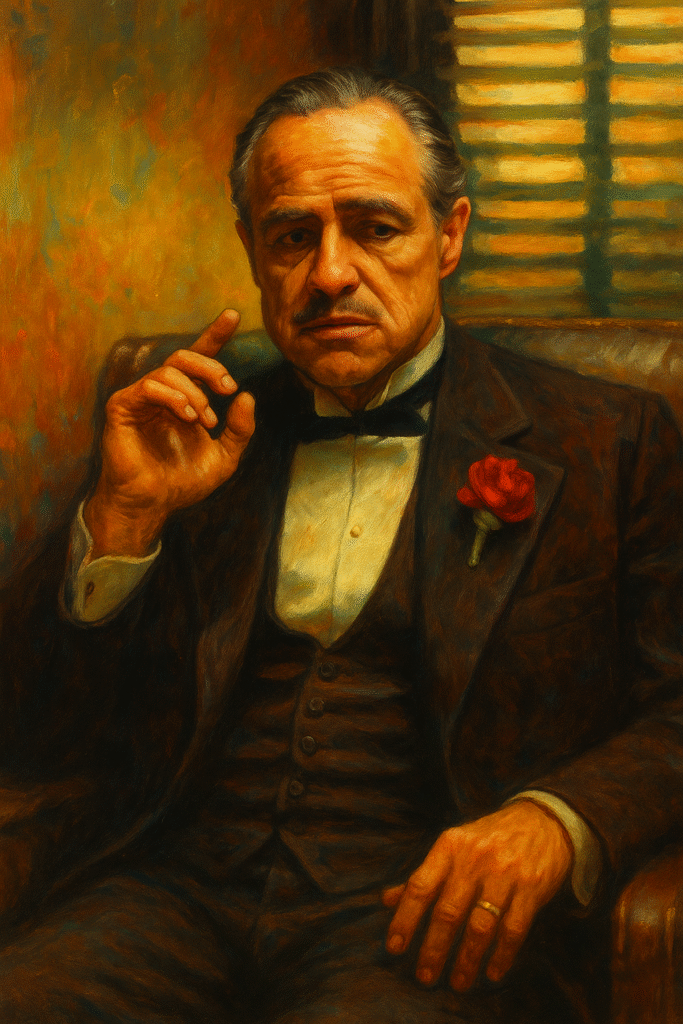
Colorful portrait of Vito Corleone showcasing emotional intelligence with vibrant tones and expressive realism
Posted inFilm Character Analysis

Most Emotionally Intelligent Don: Understanding Vito Corleone

Vito Corleone stands as the most emotionally intelligent Don in cinematic history. His profound ability to navigate and manipulate emotions sets him apart from other characters. The lessons from Vito's…
Posted by Screen Psyche July 13, 2025
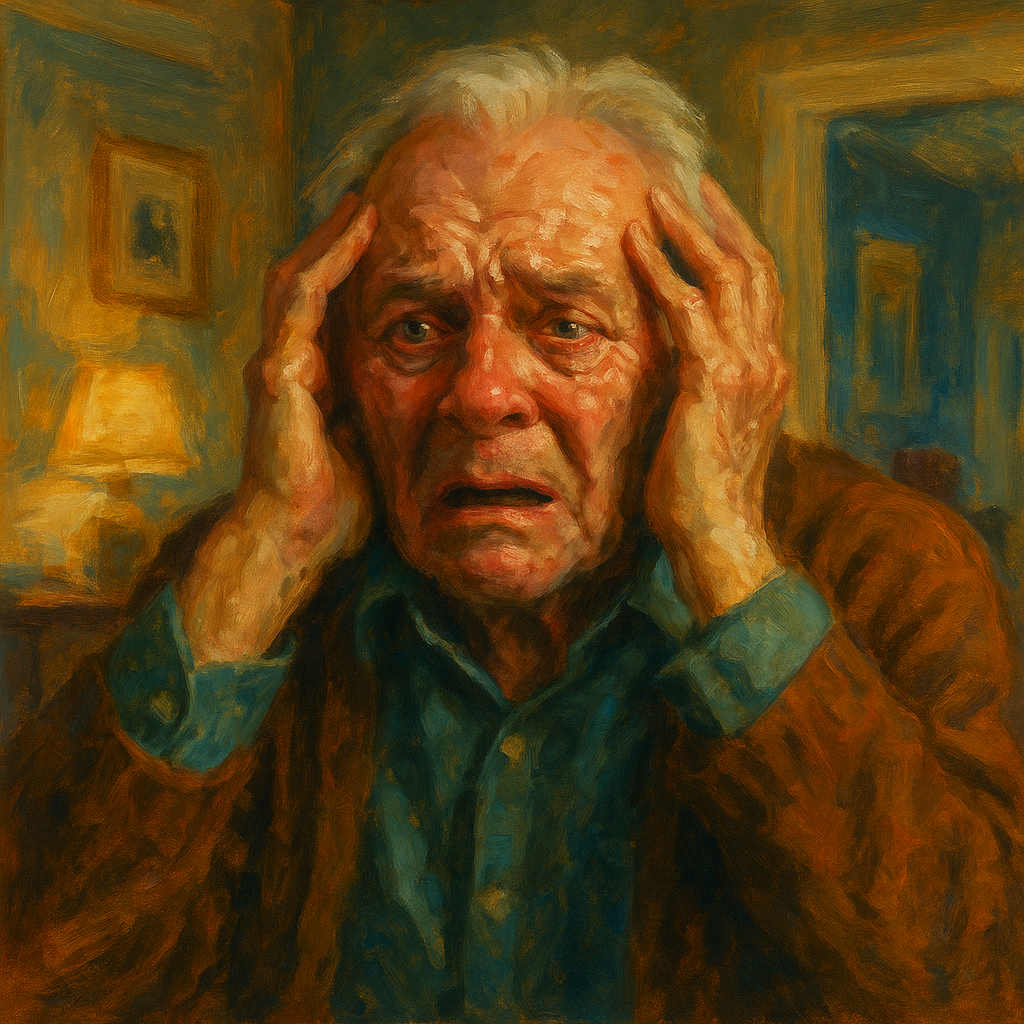
Traditional oil painting of an elderly man in a dimly lit room, representing memory loss and emotional isolation from dementia.
Posted inFilm Character Analysis

Narrative of Dementia in The Father: Experiencing It from the Inside Out

The portrayal of dementia in film is often a delicate subject; however, the narrative of dementia in The Father breaks new ground in how audiences experience this condition from the…
Posted by Screen Psyche July 13, 2025
A stylized painting of a whimsical Parisian woman in a dreamy, colorful setting, capturing the essence of escapism and fantasy inspired by the film Amélie.
Posted inFilm Character Analysis

Psychology of Escapism: Unraveling the Magic of Amélie

Amélie, a beloved French film directed by Jean-Pierre Jeunet, provides a vivid exploration of the psychology of escapism. The movie's whimsical portrayal of Paris and its charming protagonist, Amélie Poulain,…
Posted by Screen Psyche July 12, 2025
Stylized illustration symbolizing mental health themes in Fight Club, featuring dual-faced figures representing dissociation, identity crisis, and internal conflict, inspired by the film’s psychological narrative.
Posted inFilm Character Analysis

Is Fight Club About Mental Health? Exploring Dissociation and Identity

Fight Club, directed by David Fincher and based on the novel by Chuck Palahniuk, has left audiences pondering its deeper meanings for over two decades. One prevalent question surfaces in…
Posted by Screen Psyche July 11, 2025
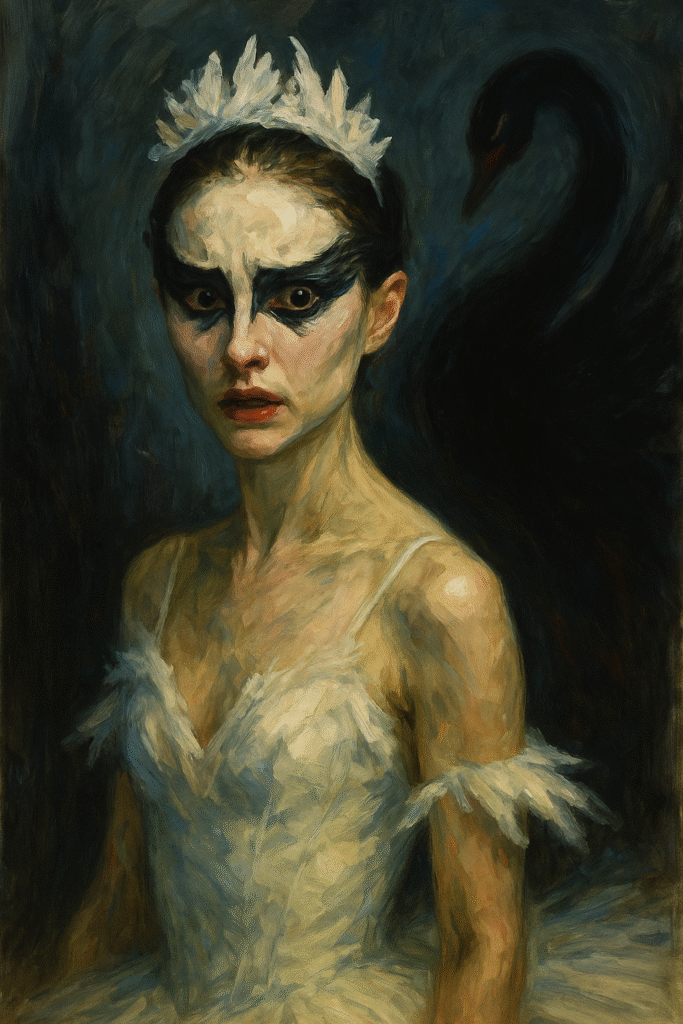
Painting of Nina Sayers from Black Swan in white ballet costume with dramatic makeup, symbolizing her descent into psychosis.
Posted inFilm Character Analysis

Psychosis in Nina Black Swan: A Case Study of Perfectionism

Nina Sayers, played by Natalie Portman in Darren Aronofsky's Black Swan, embodies the complex interplay of ambition and madness, prominently showcased through her journey into psychosis. The concept of psychosis…
Posted by Screen Psyche July 11, 2025
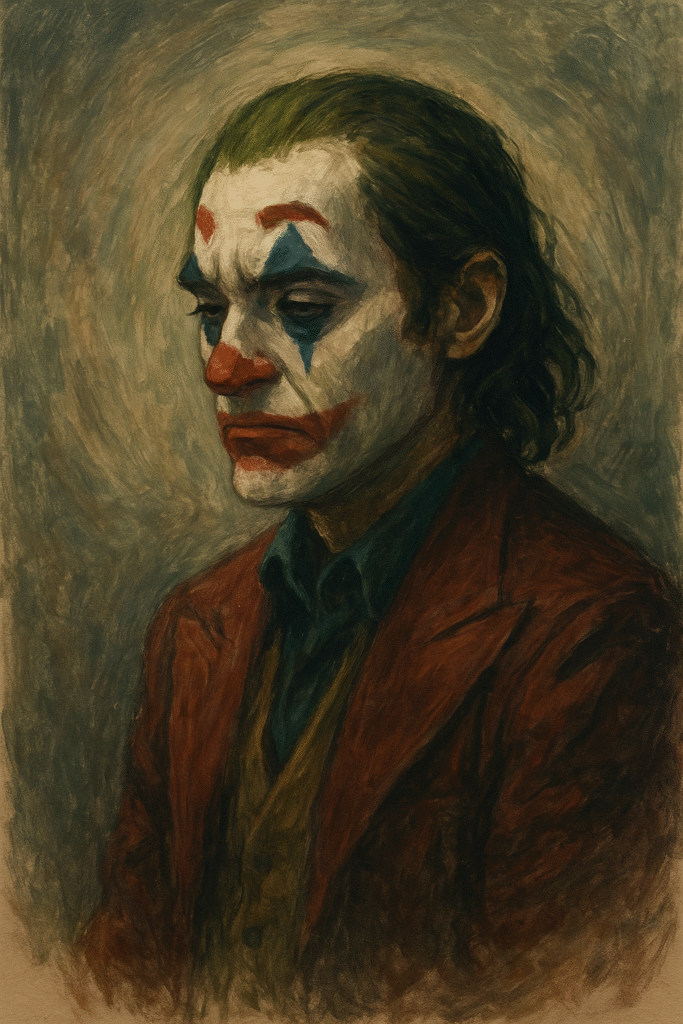
Painterly portrait of the Joker with a sorrowful expression, symbolizing isolation, rage, and mental health struggles.
Posted inFilm Character Analysis

Joker and Perspective on Isolation: Understanding Rage and Despair

In the world of cinema, the Joker stands out as a compelling character that embodies the themes of isolation and intense rage. Many view the Joker as more than just…
Posted by Screen Psyche July 10, 2025
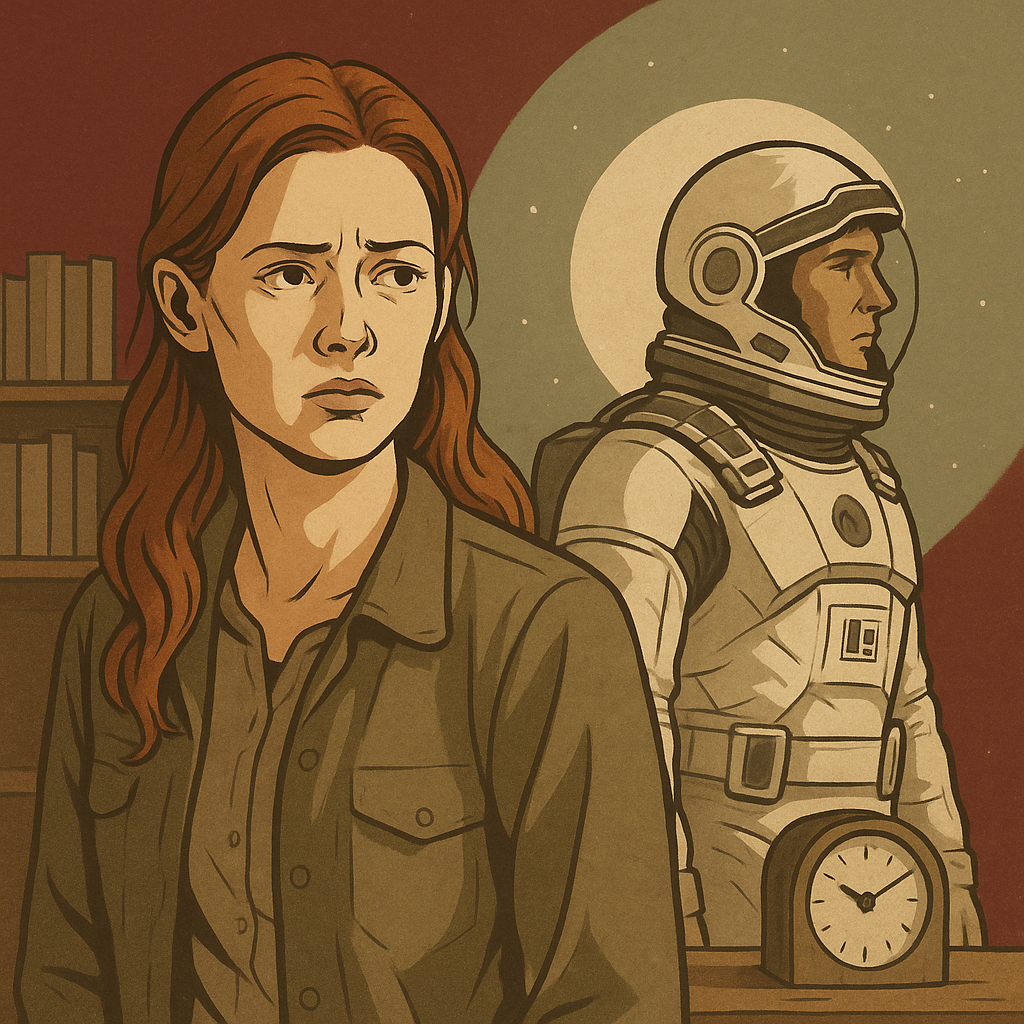
Illustration of Murph and her astronaut father from Interstellar, symbolizing emotional obsession, family abandonment, and the passage of time.
Posted inFilm Character Analysis

Obsession Across Time in Film: Exploring Murph in Interstellar

Interstellar, directed by Christopher Nolan, captivates audiences with its exploration of time, relationships, and obsession. The film intricately weaves these themes through the character development of Murph. As we delve…
Posted by Screen Psyche July 10, 2025

Posts pagination

Previous page 1 … 6 7 8

Recent Posts

  • When People Stop Believing Their Actions Matter
  • Georgia Miller: When Survival Becomes Personality
  • Mickey Barnes: The Man Who Outsourced His Self-Worth
  • Altruistic Punishment: Hurting to “Protect” Morality
  • Seth Cohen and the Fear of Being Uncoolly Sincere

Recent Comments

  1. Love, Safety, and the Illusion of Rescue: Alex in Maid on The Trauma Bond: Why Characters Stay in Toxic Relationships
  2. Don’t Worry Darling; Love, Control, and the Fear of Being Ordinary on The Trauma Bond: Why Characters Stay in Toxic Relationships
  3. Ruth Langmore Loyalty And Rage In Ozark on The Trauma Bond: Why Characters Stay in Toxic Relationships
  4. Wearing The Mask: Study Of The False Self - screenpsyche.com on Identity and Reality in ‘The Truman Show’
  5. Killing Eve Themes: From Civilian To Dangerous - screenpsyche.com on The Trauma Bond: Why Characters Stay in Toxic Relationships

Archives

  • July 2026
  • June 2026
  • May 2026
  • April 2026
  • March 2026
  • February 2026
  • January 2026
  • December 2025
  • November 2025
  • October 2025
  • September 2025
  • August 2025
  • July 2025

Categories

  • Film Character Analysis
  • Psychological Concepts via Characters
  • TV Character Analysis
Search
Categories
  • Film Character Analysis
  • Psychological Concepts via Characters
  • TV Character Analysis
Archives
  • July 2026
  • June 2026
  • May 2026
  • April 2026
  • March 2026
  • February 2026
  • January 2026
  • December 2025
  • November 2025
  • October 2025
  • September 2025
  • August 2025
  • July 2025
Copyright 2026 — screenpsyche.com. All rights reserved. Bloghash WordPress Theme
Scroll to Top