Skip to content
screenpsyche.com
  • Home
  • Categories
    • Film Character Analysis
    • TV Character Analysis
    • Psychological Concepts via Characters
  • About Us
Subscribe

TV Character Analysis

  • Home
  • TV Character Analysis
  • Page 2
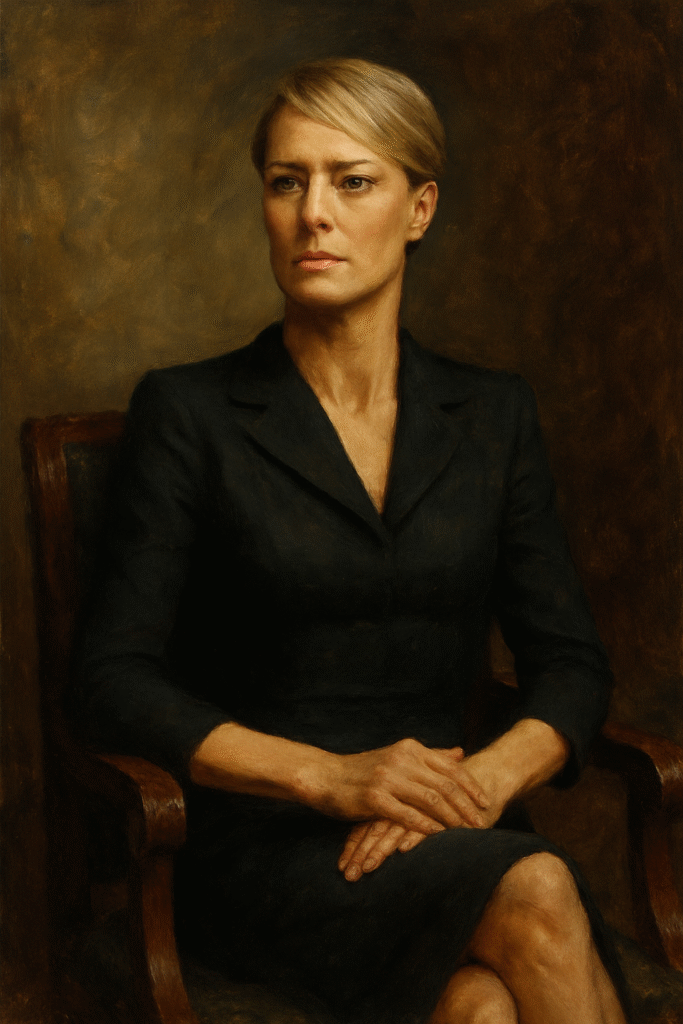
Claire Underwood–like figure in black dress, seated in an armchair, calm and poised, embodying controlled silence and authority.
Posted inTV Character Analysis

Claire Underwood (House of Cards): Control, Silence, and the Power of Stillness

Claire Underwood remains one of television’s most quietly magnetic figures. In a genre built on rhetoric and spectacle, her restraint feels radical. This Claire Underwood character analysis shows that her…
Posted by Screen Psyche November 16, 2025
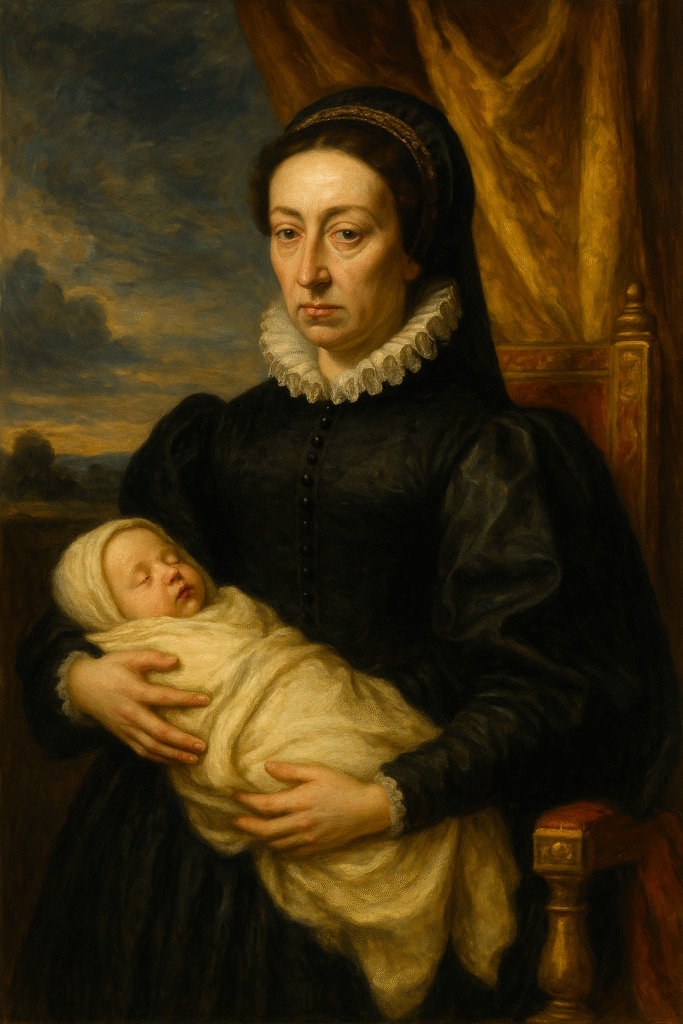
Catherine de’ Medici sits on a throne in black gown holding an infant, palace window behind—royal motherhood as political power.
Posted inTV Character Analysis

Psychology of Political Motherhood: Catherine de’ Medici in The Serpent Queen

Introduction Catherine de' Medici remains one of history's most debated figures. In this piece we examine the psychology of political motherhood as depicted in the Starz series The Serpent Queen, and…
Posted by Screen Psyche November 11, 2025
Rick Grimes stands in sunlit prison yard, revolver lowered, machete on hip; fences and distant walkers hint at hard-won leadership.
Posted inTV Character Analysis

Rick Grimes leadership themes in The Walking Dead: A Deep Character Study

Spoiler warning: this analysis covers major plot points across The Walking Dead (Season 2 barn reveal, Season 3 prison/Governor arc, Season 5 Terminus/Grady, Seasons 6–9 leadership battles). Skip to the…
Posted by Screen Psyche November 8, 2025
Barry with a half-theatre mask between an acting class and a shadowed gun silhouette—double life of vulnerability and violence.
Posted inTV Character Analysis

Barry Berkman: The Double Life of Violence and Vulnerability

"Barry Berkman is both monster and mourner — and the show makes you hold both truths at once." Spoiler warning: This piece contains scene-level analysis from HBO's Barry. If you haven't…
Posted by Screen Psyche November 5, 2025
Eleanor Shellstrop holds a ‘Try Again’ clipboard beside a trolley-problem chalkboard in a sunny Good Place village—ethics and growth.
Posted inTV Character Analysis

Eleanor Shellstrop (The Good Place): Morality, Growth, and the Comedy of Redemption

The Scene That Defines Eleanor Shellstrop Imagine a woman, played by Kristen Bell, arriving in a sunlit afterlife and arguing with the receptionist about where she parked her SUV —…
Posted by Screen Psyche November 2, 2025
Tommy Shelby in flat cap and dark suit, cigarette in mouth, holding a pocket watch; horse and smokestacks behind—post-WWI Birmingham.
Posted inTV Character Analysis

Tommy Shelby: The Trauma and Ambition That Forged a Peaky Blinders Empire

In the soot-stained streets of post-WWI Birmingham, one name echoes with both fear and respect: Thomas "Tommy" Shelby. As the magnetic anti-hero of the hit series Peaky Blinders, Tommy, portrayed with…
Posted by Screen Psyche October 30, 2025
Tanya McQuoid on a resort balcony at sunset, staring at an unread message; comedy/tragedy masks and lotus motifs signal lonely disconnection.
Posted inTV Character Analysis

Tanya McQuoid and the Tragicomedy of Loneliness in The White Lotus

Unpacking an Iconic White Lotus Character Tanya McQuoid, the unforgettable character brought to life by Jennifer Coolidge in HBO's The White Lotus, is more than just a source of comedy; she…
Posted by Screen Psyche October 27, 2025
A cinematic oil painting inspired by Yellowjackets, showing Lottie Matthews standing in a misty forest surrounded by candle-holding followers — symbolizing the rise of her cult, faith, and trauma.
Posted inTV Character Analysis

Lottie Matthews’ Cult: An Analysis of Trauma and Faith in Yellowjackets

Explore Lottie Matthews' journey of trauma and faith in Yellowjackets, examining her evolution into a cult leader amid psychological turmoil. Lottie Matthews' character evolution in the Yellowjackets TV show demonstrates how severe…
Posted by Screen Psyche October 24, 2025
An oil painting inspired by The Blacklist, depicting a calm and authoritative man symbolizing Harold Cooper standing in a shadowy FBI office surrounded by monitors and files, radiating stoicism and leadership.
Posted inTV Character Analysis

Harold Cooper Blacklist: The Stoic Leader

Introduction to Harold Cooper and The Blacklist The Blacklist, a gripping crime thriller series on NBC that premiered in 2013, has captured the attention and hearts of audiences worldwide. The…
Posted by Screen Psyche October 21, 2025
An oil painting inspired by Only Murders in the Building, showing a young woman symbolizing Mabel Mora standing in a vintage New York apartment hallway illuminated by warm light, surrounded by mystery and subtle crime-related details.
Posted inTV Character Analysis

Mabel Mora: Solitude, Curiosity, and the True-Crime Psyche

Introduction to Mabel Mora and Her Role in 'Only Murders in the Building'Mabel Mora, played by the charismatic Selena Gomez, stands at the heart of Hulu's hit series 'Only Murders…
Posted by Screen Psyche October 18, 2025

Posts pagination

Previous page 1 2 3 4 … 8 Next page

Recent Posts

  • Silent Power: Alma Elson Phantom Thread Analysis
  • Addictive Nostalgia: Why We Keep Returning to Perfect Memories
  • Dexter: Control, Morality, and the Myth of the “Good Monster”
  • Barton Fink: Creative Paralysis And The Pressure To Produce
  • Catastrophizing in Relationships: Is Your Mind the Villain?

Recent Comments

  1. Wearing The Mask: Study Of The False Self - screenpsyche.com on Identity and Reality in ‘The Truman Show’
  2. Killing Eve Themes: From Civilian To Dangerous - screenpsyche.com on The Trauma Bond: Why Characters Stay in Toxic Relationships
  3. Killing Eve Themes: From Civilian To Dangerous - screenpsyche.com on Charm and Chaos in Killing Eve: A Deep Dive into Villanelle
  4. Parasocial Attachment: Loving a Person Who Doesn’t Know You on The Double Life of Severus Snape: Love, Bitterness, and Redemption in Harry Potter
  5. Kendall on Peggy Olson in Mad Men: A Symbol of Feminism and Ambition

Archives

  • April 2026
  • March 2026
  • February 2026
  • January 2026
  • December 2025
  • November 2025
  • October 2025
  • September 2025
  • August 2025
  • July 2025

Categories

  • Film Character Analysis
  • Psychological Concepts via Characters
  • TV Character Analysis
Search
Categories
  • Film Character Analysis
  • Psychological Concepts via Characters
  • TV Character Analysis
Archives
  • April 2026
  • March 2026
  • February 2026
  • January 2026
  • December 2025
  • November 2025
  • October 2025
  • September 2025
  • August 2025
  • July 2025
Copyright 2026 — screenpsyche.com. All rights reserved. Bloghash WordPress Theme
Scroll to Top