Skip to content
screenpsyche.com
  • Home
  • Categories
    • Film Character Analysis
    • TV Character Analysis
    • Psychological Concepts via Characters
  • About Us
Subscribe

Posts by Screen Psyche

  • Home
  • Screen Psyche
  • Page 23
About Screen Psyche
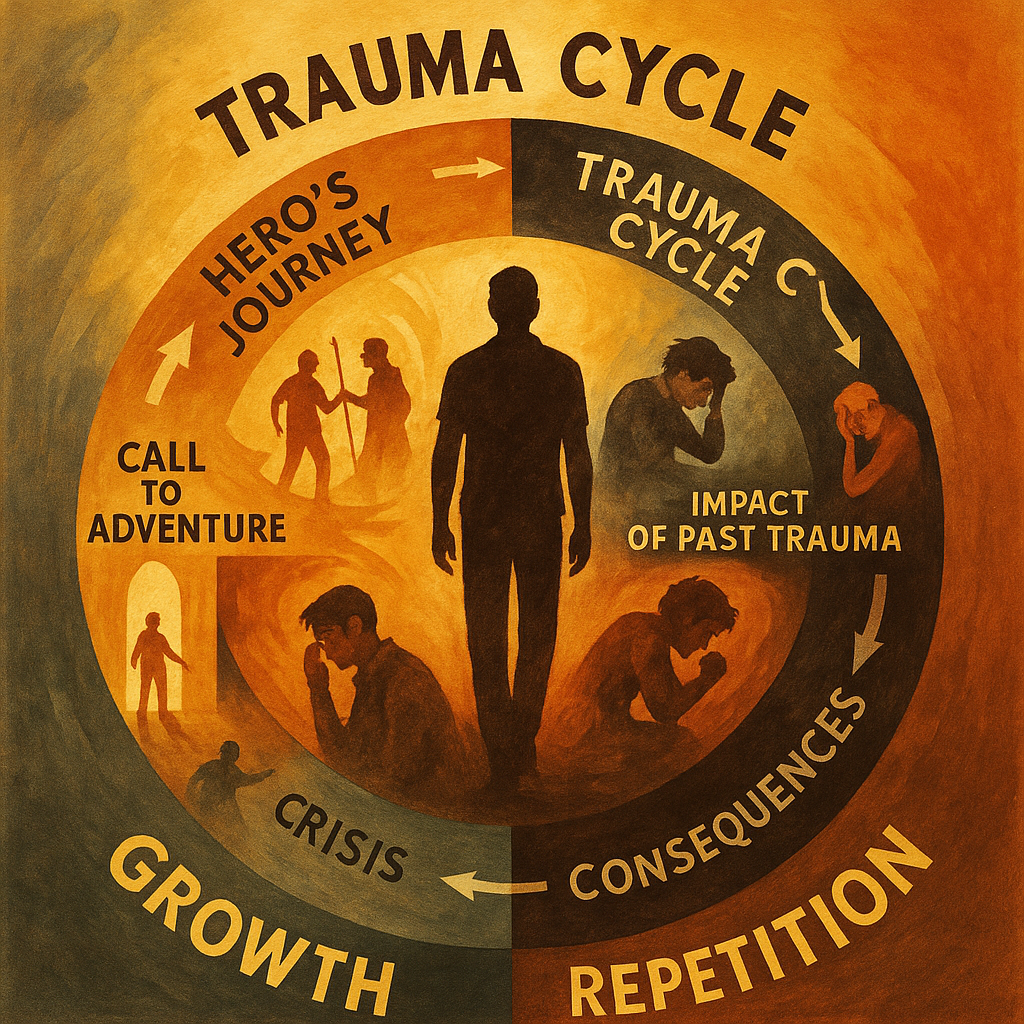
Circular infographic illustrating the trauma cycle versus the Hero's Journey in modern film character development
Posted inPsychological Concepts via Characters

Trauma Cycle in Film: Exploring Growth and Repetition in Storytelling

The Trauma Cycle has emerged as a crucial narrative theme in modern storytelling. This cycle encapsulates the repeated patterns of emotional distress experienced by characters, particularly in film and television.…
Posted by Screen Psyche July 13, 2025
Portrait of Shiv Roy from Succession in oil painting style, depicting emotional detachment and power dynamics in leadership
Posted inTV Character Analysis

Shiv Roy Power Dynamics: Navigating Leadership and Emotional Detachment

In the world of Succession, Shiv Roy exemplifies complex power dynamics. Through her journey, we delve into emotional detachment in leadership, examining how she navigates corporate power struggles and shapes…
Posted by Screen Psyche July 13, 2025
Traditional oil painting of an elderly man in a dimly lit room, representing memory loss and emotional isolation from dementia.
Posted inFilm Character Analysis

Narrative of Dementia in The Father: Experiencing It from the Inside Out

The portrayal of dementia in film is often a delicate subject; however, the narrative of dementia in The Father breaks new ground in how audiences experience this condition from the…
Posted by Screen Psyche July 13, 2025
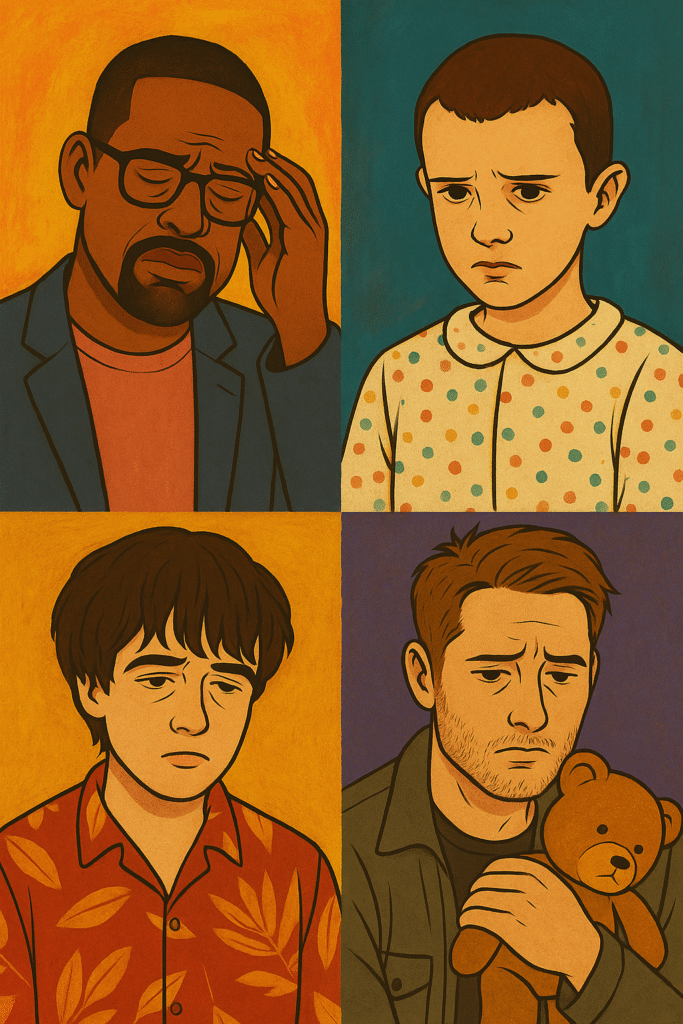
Illustration of TV characters like Kevin Pearson, Eleven, James, and Alyssa portraying emotional impact of childhood trauma and inner child wounds
Posted inPsychological Concepts via Characters

Fictional Characters Inner Child Wounds: Exploring Childhood Trauma in TV Series

  Fictional characters embodying inner child wounds resonate deeply with audiences, highlighting the impact of childhood trauma in storytelling and its pervasive effects on adulthood. TV series often portray these…
Posted by Screen Psyche July 12, 2025
Illustration of a contemplative man in a 1960s-style setting symbolizing the mask of masculinity
Posted inTV Character Analysis

Understanding the Mask of Masculinity with Don Draper

The Mask of Masculinity is a complex concept that embodies societal expectations of male behavior, often explored through characters in media. One compelling character who represents this struggle is Don…
Posted by Screen Psyche July 12, 2025
A stylized painting of a whimsical Parisian woman in a dreamy, colorful setting, capturing the essence of escapism and fantasy inspired by the film Amélie.
Posted inFilm Character Analysis

Psychology of Escapism: Unraveling the Magic of Amélie

Amélie, a beloved French film directed by Jean-Pierre Jeunet, provides a vivid exploration of the psychology of escapism. The movie's whimsical portrayal of Paris and its charming protagonist, Amélie Poulain,…
Posted by Screen Psyche July 12, 2025
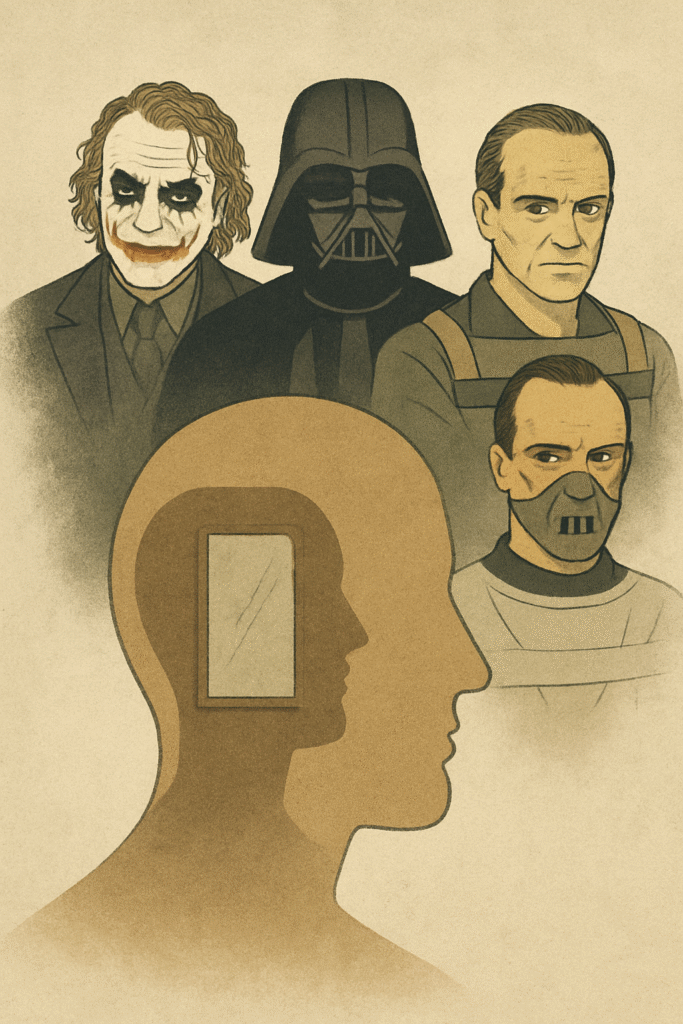
Stylized illustration of narcissistic movie villains with psychological symbolism, featuring Joker, Darth Vader, and Hannibal Lecter above a mirrored silhouette of a human head.
Posted inPsychological Concepts via Characters

Narcissistic Traits in Movie Villains: A Psychological Analysis

Understanding narcissistic traits in movie villains reveals fascinating truths about human psychology and our cultural fascination with power, manipulation, and charisma. These characters don’t just drive the story—they reflect the…
Posted by Screen Psyche July 11, 2025
Illustration of a female chess prodigy resembling Beth Harmon analyzing chess moves with symbolic elements representing addiction, genius, and mental health.
Posted inTV Character Analysis

Beth Harmon Queen’s Gambit Analysis: Genius or Coping Mechanism?

The Beth Harmon Queen's Gambit analysis dives deep into the complexity of this iconic character from the acclaimed Netflix series, The Queen's Gambit. This article explores the dual themes of…
Posted by Screen Psyche July 11, 2025
Stylized illustration symbolizing mental health themes in Fight Club, featuring dual-faced figures representing dissociation, identity crisis, and internal conflict, inspired by the film’s psychological narrative.
Posted inFilm Character Analysis

Is Fight Club About Mental Health? Exploring Dissociation and Identity

Fight Club, directed by David Fincher and based on the novel by Chuck Palahniuk, has left audiences pondering its deeper meanings for over two decades. One prevalent question surfaces in…
Posted by Screen Psyche July 11, 2025
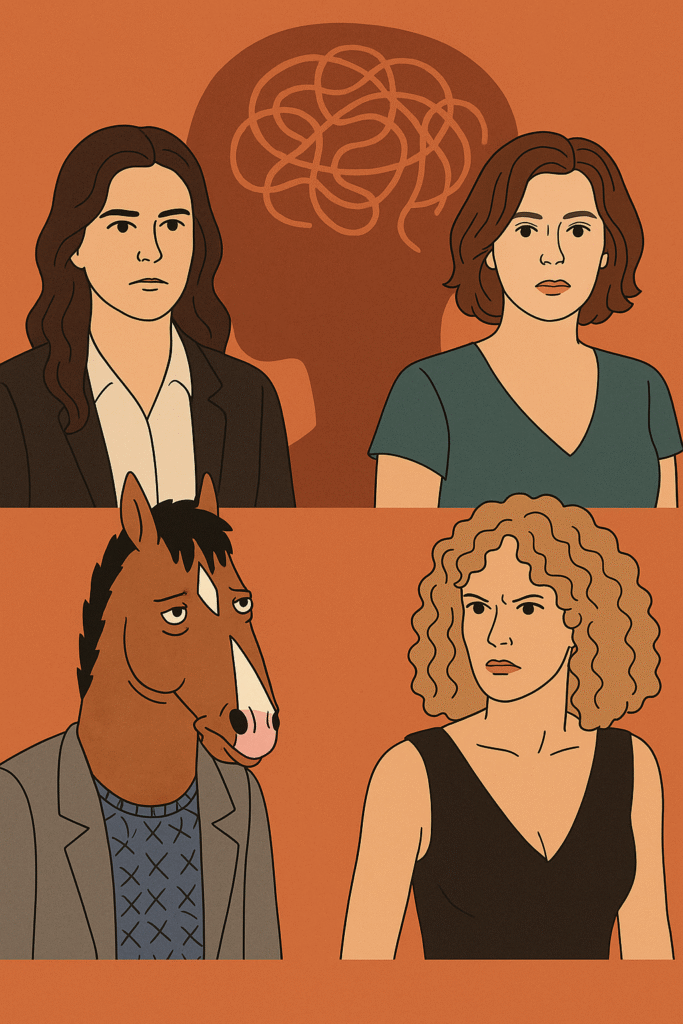
Illustration of four fictional characters representing borderline personality disorder traits in TV and film, symbolizing media portrayals of mental health.
Posted inPsychological Concepts via Characters

Borderline Personality in TV Shows: A Deep Dive into Pop Culture

  Understanding borderline personality in TV shows provides a glimpse into how this complex mental health condition is represented in media. From dramatization to nuanced portrayals, the depiction of characters…
Posted by Screen Psyche July 11, 2025

Posts pagination

Previous page 1 … 21 22 23 24 Next page

Recent Posts

  • Theo Faron: Is Cynicism Easier Than Hope
  • The Arrival Fallacy And Why Success Feels So Strange
  • Normal People: Why Painful Love Feels Like Home to You
  • Mildred Hayes And Anger As Loyalty To The Dead
  • Choice Overload On Screen: When Too Many Options Hurt

Recent Comments

  1. Love, Safety, and the Illusion of Rescue: Alex in Maid on The Trauma Bond: Why Characters Stay in Toxic Relationships
  2. Don’t Worry Darling; Love, Control, and the Fear of Being Ordinary on The Trauma Bond: Why Characters Stay in Toxic Relationships
  3. Ruth Langmore Loyalty And Rage In Ozark on The Trauma Bond: Why Characters Stay in Toxic Relationships
  4. Wearing The Mask: Study Of The False Self - screenpsyche.com on Identity and Reality in ‘The Truman Show’
  5. Killing Eve Themes: From Civilian To Dangerous - screenpsyche.com on The Trauma Bond: Why Characters Stay in Toxic Relationships

Archives

  • September 2026
  • August 2026
  • July 2026
  • June 2026
  • May 2026
  • April 2026
  • March 2026
  • February 2026
  • January 2026
  • December 2025
  • November 2025
  • October 2025
  • September 2025
  • August 2025
  • July 2025

Categories

  • Film Character Analysis
  • Psychological Concepts via Characters
  • TV Character Analysis
Search
Categories
  • Film Character Analysis
  • Psychological Concepts via Characters
  • TV Character Analysis
Archives
  • September 2026
  • August 2026
  • July 2026
  • June 2026
  • May 2026
  • April 2026
  • March 2026
  • February 2026
  • January 2026
  • December 2025
  • November 2025
  • October 2025
  • September 2025
  • August 2025
  • July 2025
Copyright 2026 — screenpsyche.com. All rights reserved. Bloghash WordPress Theme
Scroll to Top