Skip to content
screenpsyche.com
  • Home
  • Categories
    • Film Character Analysis
    • TV Character Analysis
    • Psychological Concepts via Characters
  • About Us
Subscribe

Film Character Analysis

  • Home
  • Film Character Analysis
  • Page 7
Oil painting-style portrait of Jesse from Before Sunrise sitting on a wooden bench, hands clasped in thought, symbolizing introspection, regret, and romantic contemplation.
Posted inFilm Character Analysis

Philosopher of Regret: Analyzing Jesse from Before Sunrise

Introduction to the Philosopher of Regret In Richard Linklater's iconic film, Before Sunrise, Jesse, played by Ethan Hawke, embodies the role of the "Philosopher of Regret." This character masterfully explores…
Posted by Screen Psyche July 19, 2025
Traditional oil painting of Amy and Nick from Gone Girl, featuring a psychological portrait that illustrates themes of manipulation, dual narrative, and marital tension.
Posted inFilm Character Analysis

Narrative Structure of Gone Girl: Manipulation or Mastery?

The narrative structure of Gone Girl plays a pivotal role in the psychological twists that keep readers on edge. In this gripping novel by Gillian Flynn, the character of Amy…
Posted by Screen Psyche July 17, 2025
Portrait of a Cillian Murphy–like figure as Oppenheimer, standing in front of an atomic explosion, symbolizing moral dissonance and ethical conflict.
Posted inFilm Character Analysis

Moral Dissonance in Oppenheimer: Navigating Ethical Dilemmas

The film Oppenheimer, directed by Christopher Nolan, explores the complex moral dissonance in Oppenheimer's life and the ethical dilemmas surrounding the creation of the atomic bomb. This article delves deep…
Posted by Screen Psyche July 17, 2025
Oil painting-style portrait of a thoughtful blonde woman in a pink dress, sitting indoors by a window with a distant, reflective expression—symbolizing an existential identity crisis.
Posted inFilm Character Analysis

Barbie: Existentialism Wrapped in Pink

Introduction The existentialism in Barbie offers a unique lens through which we can analyze the much-discussed 2023 film. Barbie transcends mere childhood nostalgia, presenting viewers with profound questions about identity, meaning,…
Posted by Screen Psyche July 16, 2025
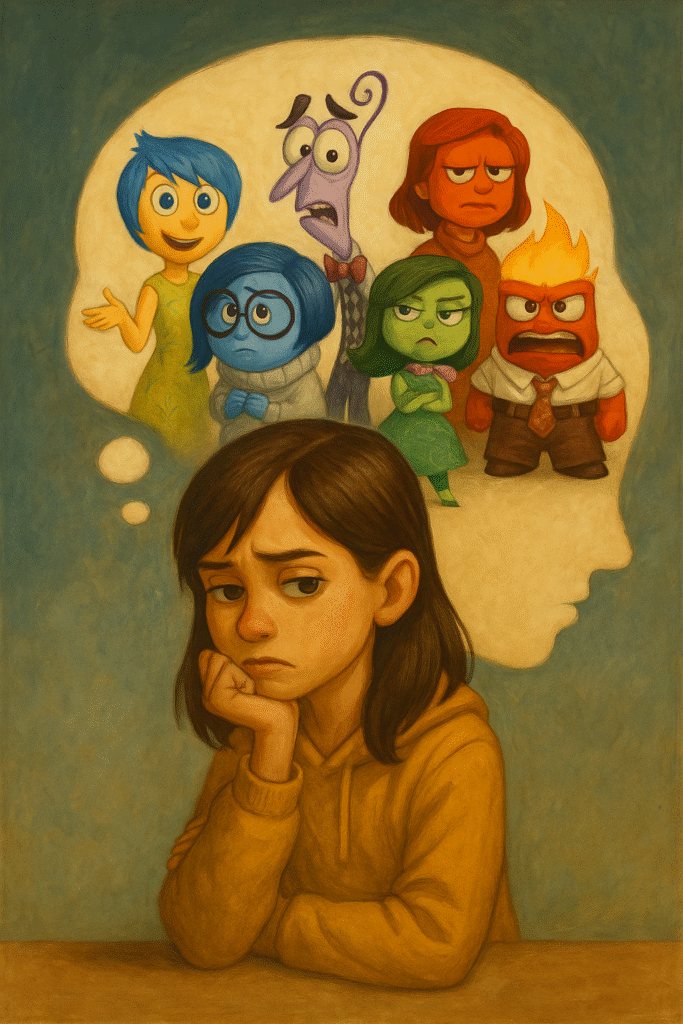
Digital illustration of colorful characters symbolizing Joy, Sadness, Anger, Fear, and Disgust, representing emotional control and psychological balance as explored in Pixar's Inside Out.
Posted inFilm Character Analysis

Do We Control Our Emotions? Insights from Inside Out

Understanding the intricate relationship between our feelings and rationality is a significant theme explored in the acclaimed animated film, Inside Out. The question, do we control our emotions, resonates deeply…
Posted by Screen Psyche July 15, 2025
Illustrated painting inspired by the film Parasite, depicting emotional tension, class disparity, and the psychological burden of poverty through symbolic contrast between rich and poor families.
Posted inFilm Character Analysis

Psychological Cost of Poverty: Insights from Parasite

Exploring the psychological cost of poverty can unveil deeper social issues. In the Academy Award-winning film Parasite, director Bong Joon-ho not only illustrates a compelling story but also sheds light…
Posted by Screen Psyche July 14, 2025
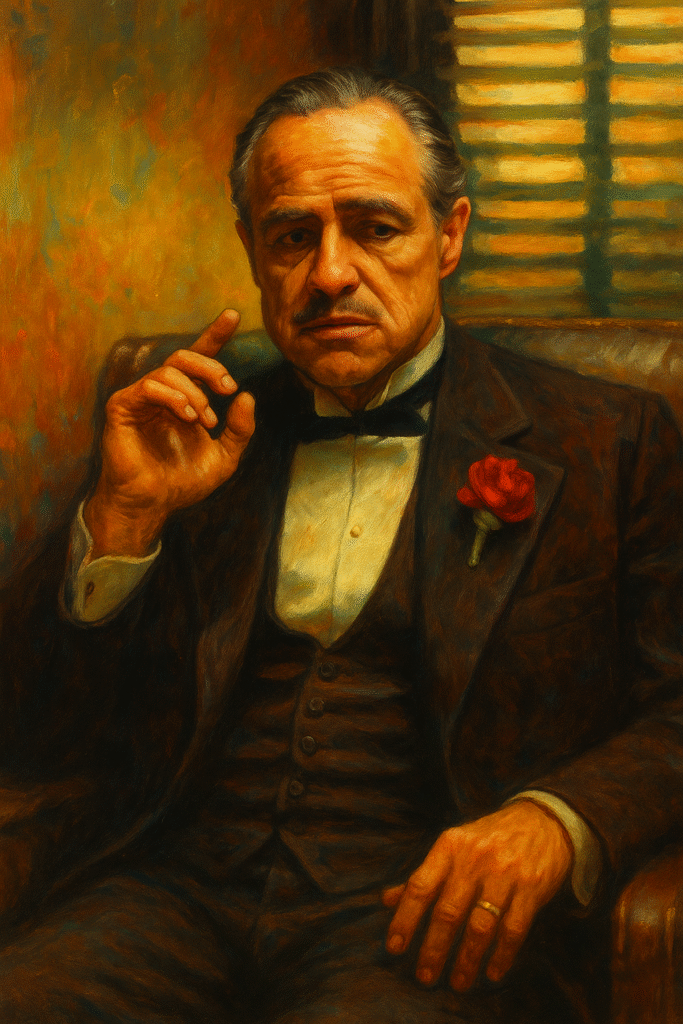
Colorful portrait of Vito Corleone showcasing emotional intelligence with vibrant tones and expressive realism
Posted inFilm Character Analysis

Most Emotionally Intelligent Don: Understanding Vito Corleone

Vito Corleone stands as the most emotionally intelligent Don in cinematic history. His profound ability to navigate and manipulate emotions sets him apart from other characters. The lessons from Vito's…
Posted by Screen Psyche July 13, 2025
Traditional oil painting of an elderly man in a dimly lit room, representing memory loss and emotional isolation from dementia.
Posted inFilm Character Analysis

Narrative of Dementia in The Father: Experiencing It from the Inside Out

The portrayal of dementia in film is often a delicate subject; however, the narrative of dementia in The Father breaks new ground in how audiences experience this condition from the…
Posted by Screen Psyche July 13, 2025
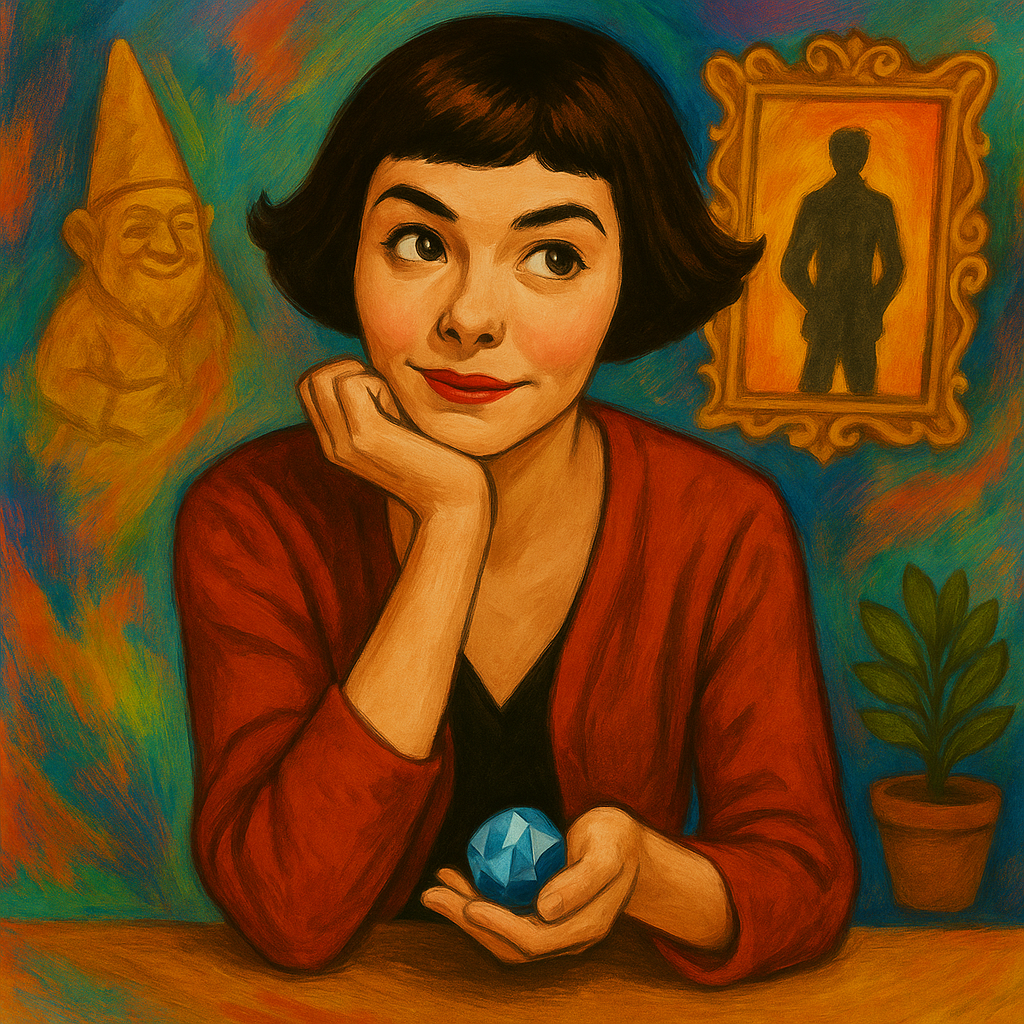
A stylized painting of a whimsical Parisian woman in a dreamy, colorful setting, capturing the essence of escapism and fantasy inspired by the film Amélie.
Posted inFilm Character Analysis

Psychology of Escapism: Unraveling the Magic of Amélie

Amélie, a beloved French film directed by Jean-Pierre Jeunet, provides a vivid exploration of the psychology of escapism. The movie's whimsical portrayal of Paris and its charming protagonist, Amélie Poulain,…
Posted by Screen Psyche July 12, 2025
Stylized illustration symbolizing mental health themes in Fight Club, featuring dual-faced figures representing dissociation, identity crisis, and internal conflict, inspired by the film’s psychological narrative.
Posted inFilm Character Analysis

Is Fight Club About Mental Health? Exploring Dissociation and Identity

Fight Club, directed by David Fincher and based on the novel by Chuck Palahniuk, has left audiences pondering its deeper meanings for over two decades. One prevalent question surfaces in…
Posted by Screen Psyche July 11, 2025

Posts pagination

Previous page 1 … 5 6 7 8 Next page

Recent Posts

  • Silent Power: Alma Elson Phantom Thread Analysis
  • Addictive Nostalgia: Why We Keep Returning to Perfect Memories
  • Dexter: Control, Morality, and the Myth of the “Good Monster”
  • Barton Fink: Creative Paralysis And The Pressure To Produce
  • Catastrophizing in Relationships: Is Your Mind the Villain?

Recent Comments

  1. Wearing The Mask: Study Of The False Self - screenpsyche.com on Identity and Reality in ‘The Truman Show’
  2. Killing Eve Themes: From Civilian To Dangerous - screenpsyche.com on The Trauma Bond: Why Characters Stay in Toxic Relationships
  3. Killing Eve Themes: From Civilian To Dangerous - screenpsyche.com on Charm and Chaos in Killing Eve: A Deep Dive into Villanelle
  4. Parasocial Attachment: Loving a Person Who Doesn’t Know You on The Double Life of Severus Snape: Love, Bitterness, and Redemption in Harry Potter
  5. Kendall on Peggy Olson in Mad Men: A Symbol of Feminism and Ambition

Archives

  • April 2026
  • March 2026
  • February 2026
  • January 2026
  • December 2025
  • November 2025
  • October 2025
  • September 2025
  • August 2025
  • July 2025

Categories

  • Film Character Analysis
  • Psychological Concepts via Characters
  • TV Character Analysis
Search
Categories
  • Film Character Analysis
  • Psychological Concepts via Characters
  • TV Character Analysis
Archives
  • April 2026
  • March 2026
  • February 2026
  • January 2026
  • December 2025
  • November 2025
  • October 2025
  • September 2025
  • August 2025
  • July 2025
Copyright 2026 — screenpsyche.com. All rights reserved. Bloghash WordPress Theme
Scroll to Top