Skip to content
screenpsyche.com
  • Home
  • Categories
    • Film Character Analysis
    • TV Character Analysis
    • Psychological Concepts via Characters
  • About Us
Subscribe

Psychological Concepts via Characters

  • Home
  • Psychological Concepts via Characters
  • Page 8
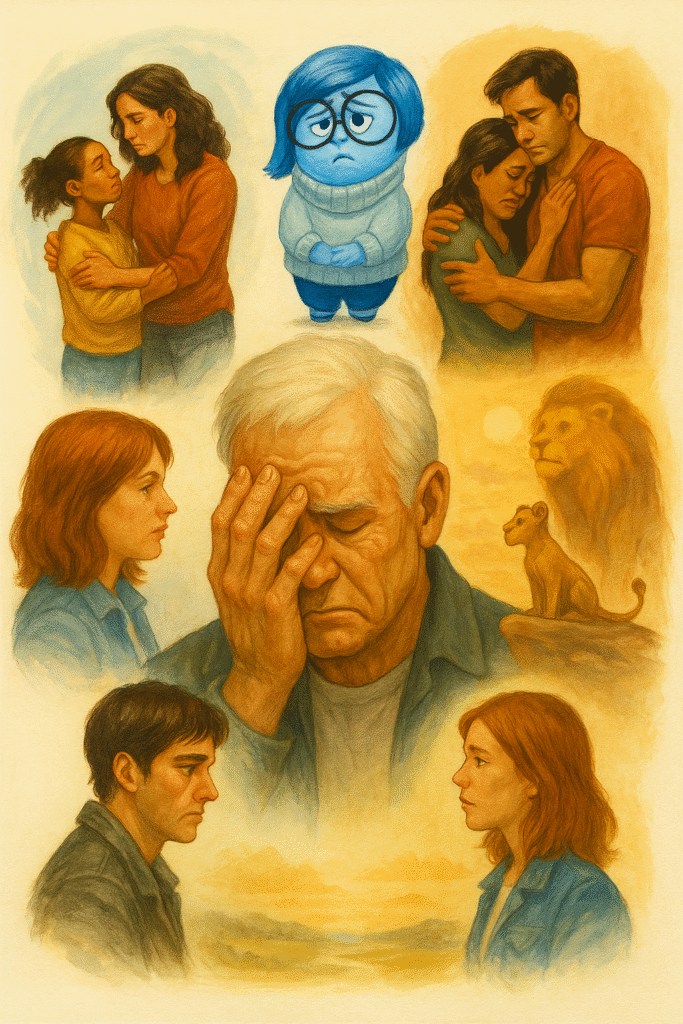
Illustration of a tense couple showing emotional distance, symbolizing gaslighting and psychological manipulation in a relationship
Posted inPsychological Concepts via Characters

Gaslighting in Relationships: Unpacking the Impact Seen Through Screen Couples

Gaslighting in relationships is a psychological manipulation that can deeply affect those involved. In both real life and on-screen portrayals, gaslighting can lead to confusion, emotional distress, and a sense…
Posted by Screen Psyche July 14, 2025
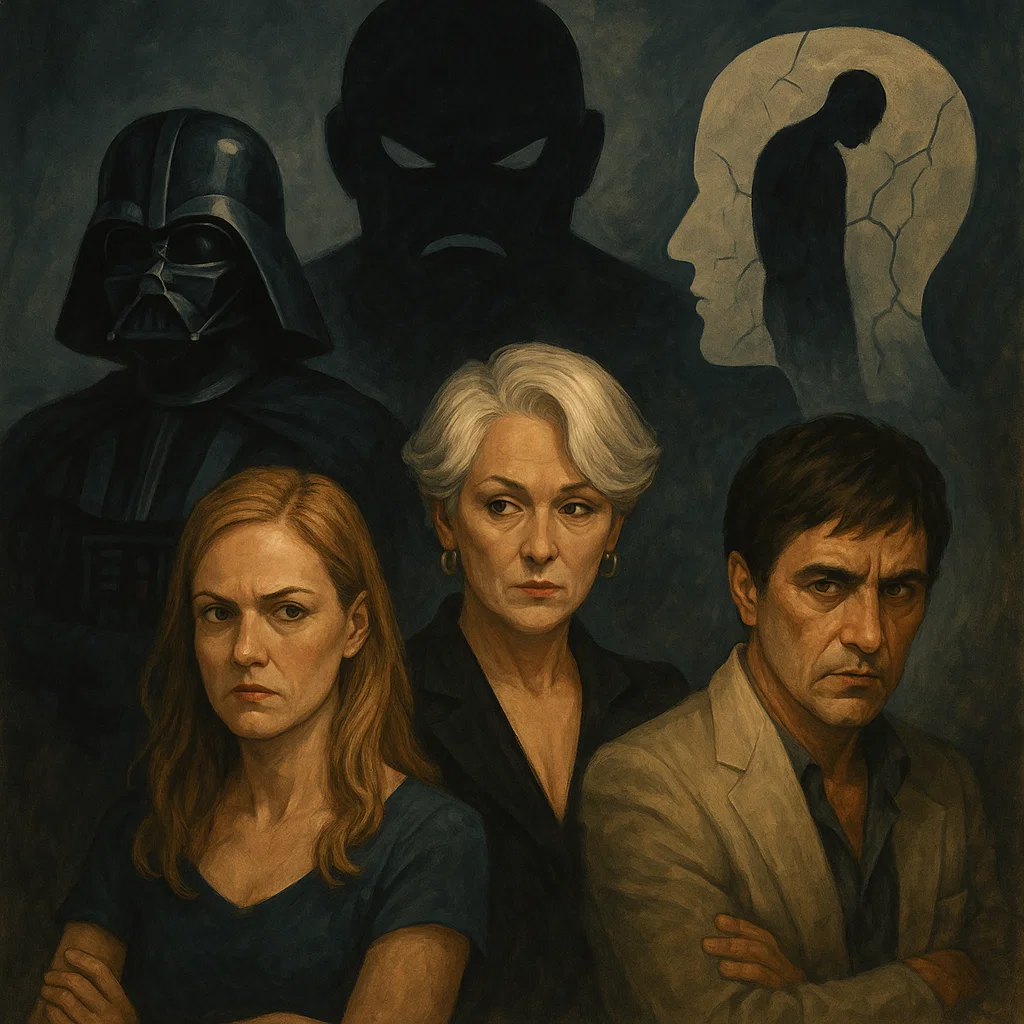
Illustrated portraits of iconic film villains symbolizing psychological defense mechanisms like projection and denial
Posted inPsychological Concepts via Characters

Psychological Defense Mechanisms: Projection, Denial, and the Villain Within

Villains in film and television often serve as reflections of our own darker inclinations. They embody repressed human traits, traits that we might categorize as psychological defense mechanisms. As Carl…
Posted by Screen Psyche July 13, 2025
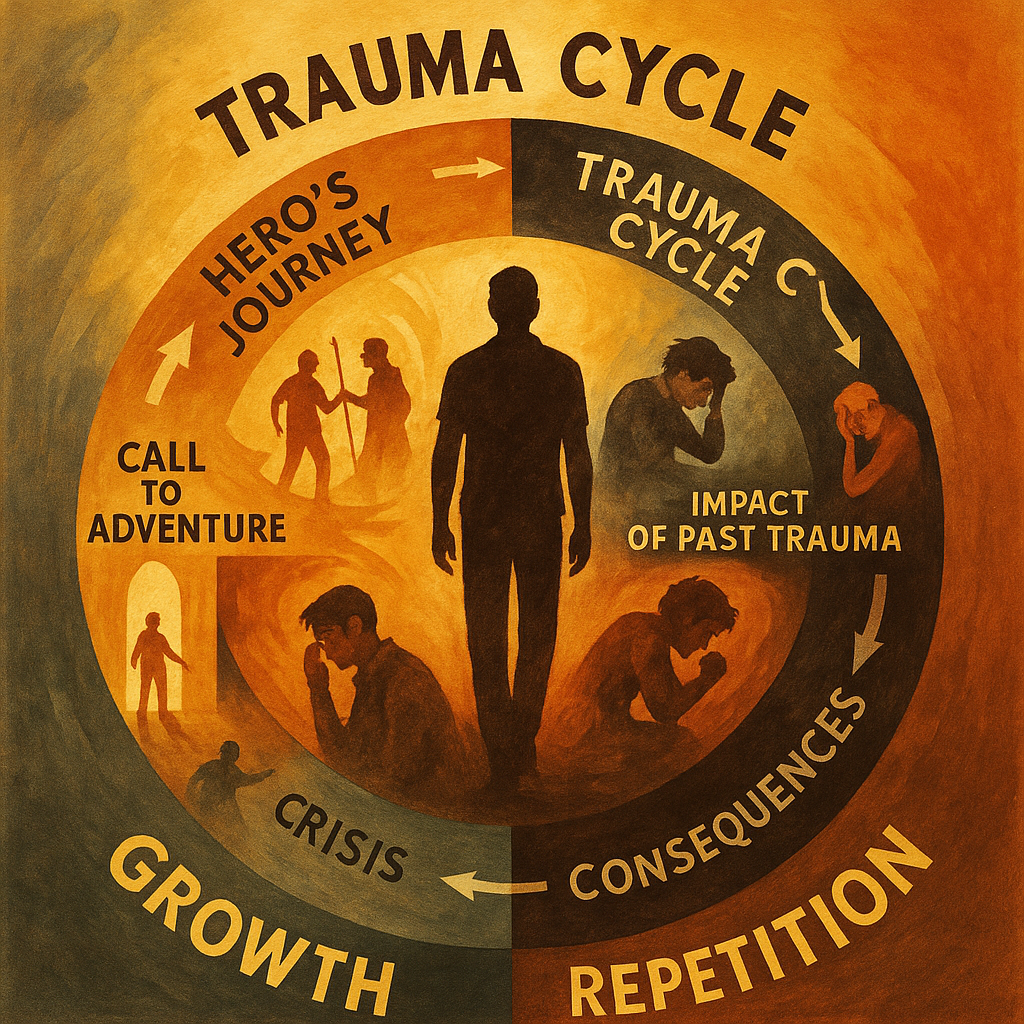
Circular infographic illustrating the trauma cycle versus the Hero's Journey in modern film character development
Posted inPsychological Concepts via Characters

Trauma Cycle in Film: Exploring Growth and Repetition in Storytelling

The Trauma Cycle has emerged as a crucial narrative theme in modern storytelling. This cycle encapsulates the repeated patterns of emotional distress experienced by characters, particularly in film and television.…
Posted by Screen Psyche July 13, 2025
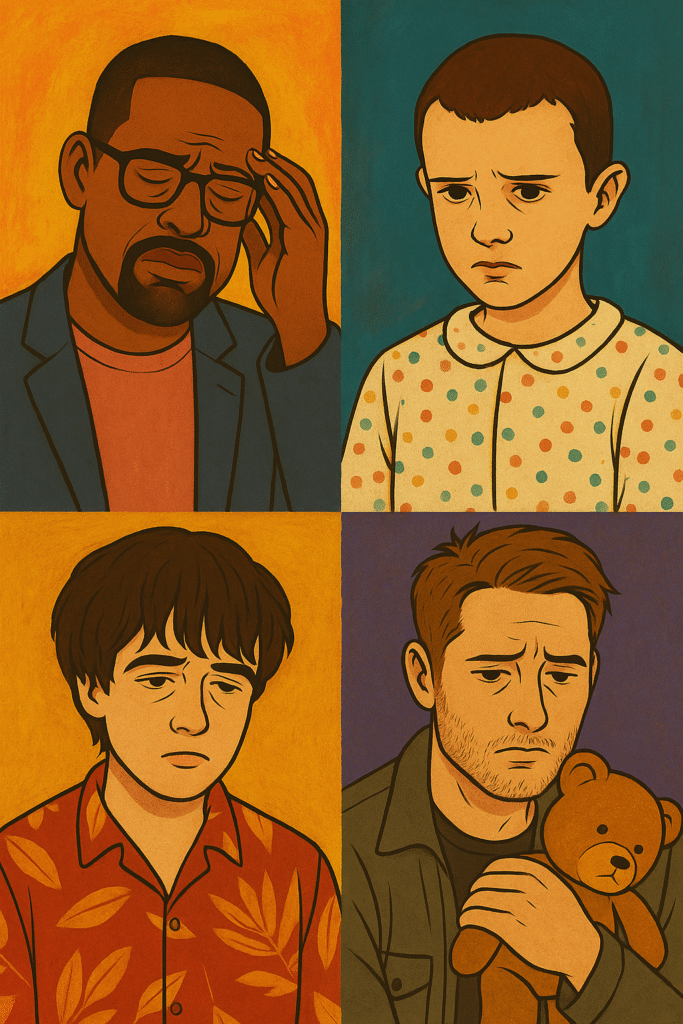
Illustration of TV characters like Kevin Pearson, Eleven, James, and Alyssa portraying emotional impact of childhood trauma and inner child wounds
Posted inPsychological Concepts via Characters

Fictional Characters Inner Child Wounds: Exploring Childhood Trauma in TV Series

  Fictional characters embodying inner child wounds resonate deeply with audiences, highlighting the impact of childhood trauma in storytelling and its pervasive effects on adulthood. TV series often portray these…
Posted by Screen Psyche July 12, 2025
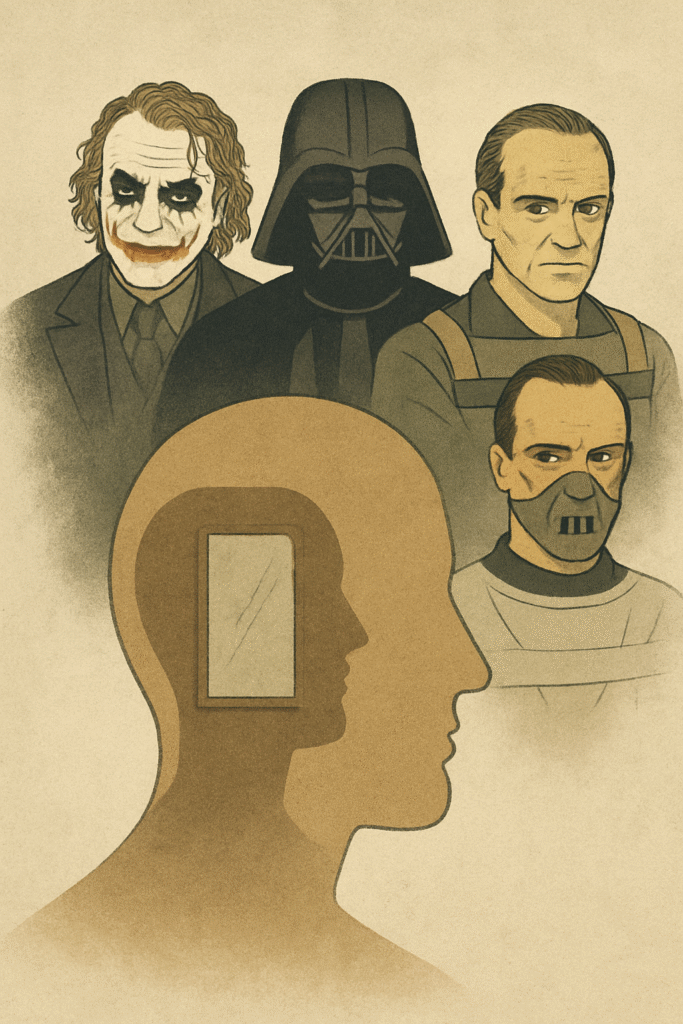
Stylized illustration of narcissistic movie villains with psychological symbolism, featuring Joker, Darth Vader, and Hannibal Lecter above a mirrored silhouette of a human head.
Posted inPsychological Concepts via Characters

Narcissistic Traits in Movie Villains: A Psychological Analysis

Understanding narcissistic traits in movie villains reveals fascinating truths about human psychology and our cultural fascination with power, manipulation, and charisma. These characters don’t just drive the story—they reflect the…
Posted by Screen Psyche July 11, 2025
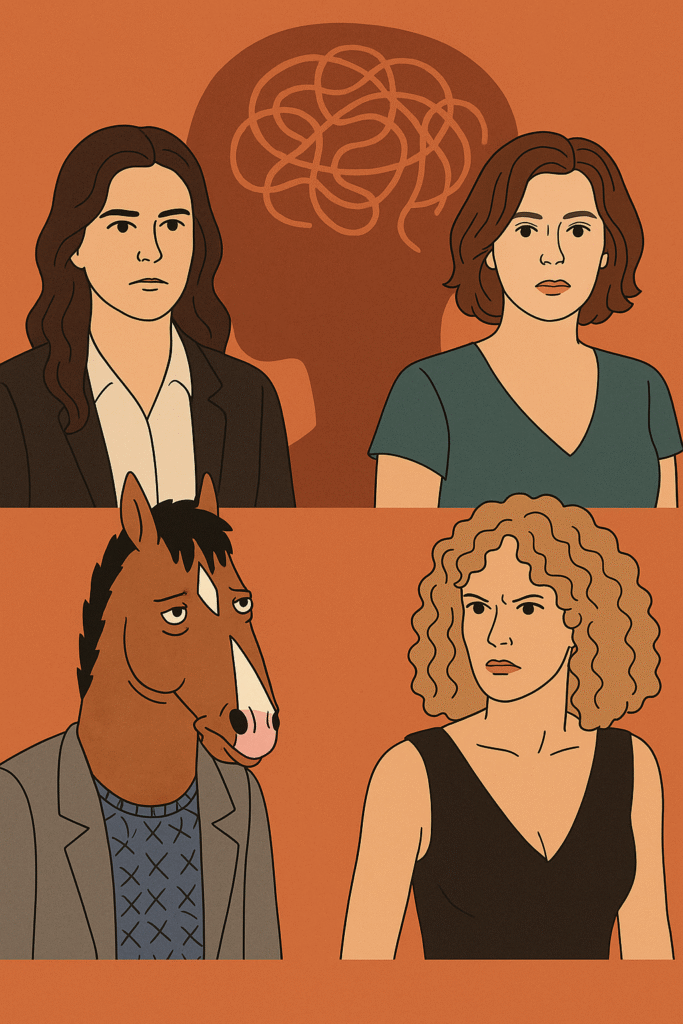
Illustration of four fictional characters representing borderline personality disorder traits in TV and film, symbolizing media portrayals of mental health.
Posted inPsychological Concepts via Characters

Borderline Personality in TV Shows: A Deep Dive into Pop Culture

  Understanding borderline personality in TV shows provides a glimpse into how this complex mental health condition is represented in media. From dramatization to nuanced portrayals, the depiction of characters…
Posted by Screen Psyche July 11, 2025
Painting of five people in a therapist's office expressing varied emotions, symbolizing psychological defense mechanisms depicted in TV shows.
Posted inPsychological Concepts via Characters

Defense Mechanisms TV Shows: Uncovering Hidden Behaviors

In the worlds of defense mechanisms TV shows, characters often exhibit behaviors that reflect underlying psychological strategies. These defense mechanisms, which can be unconscious, help individuals cope with reality and…
Posted by Screen Psyche July 10, 2025
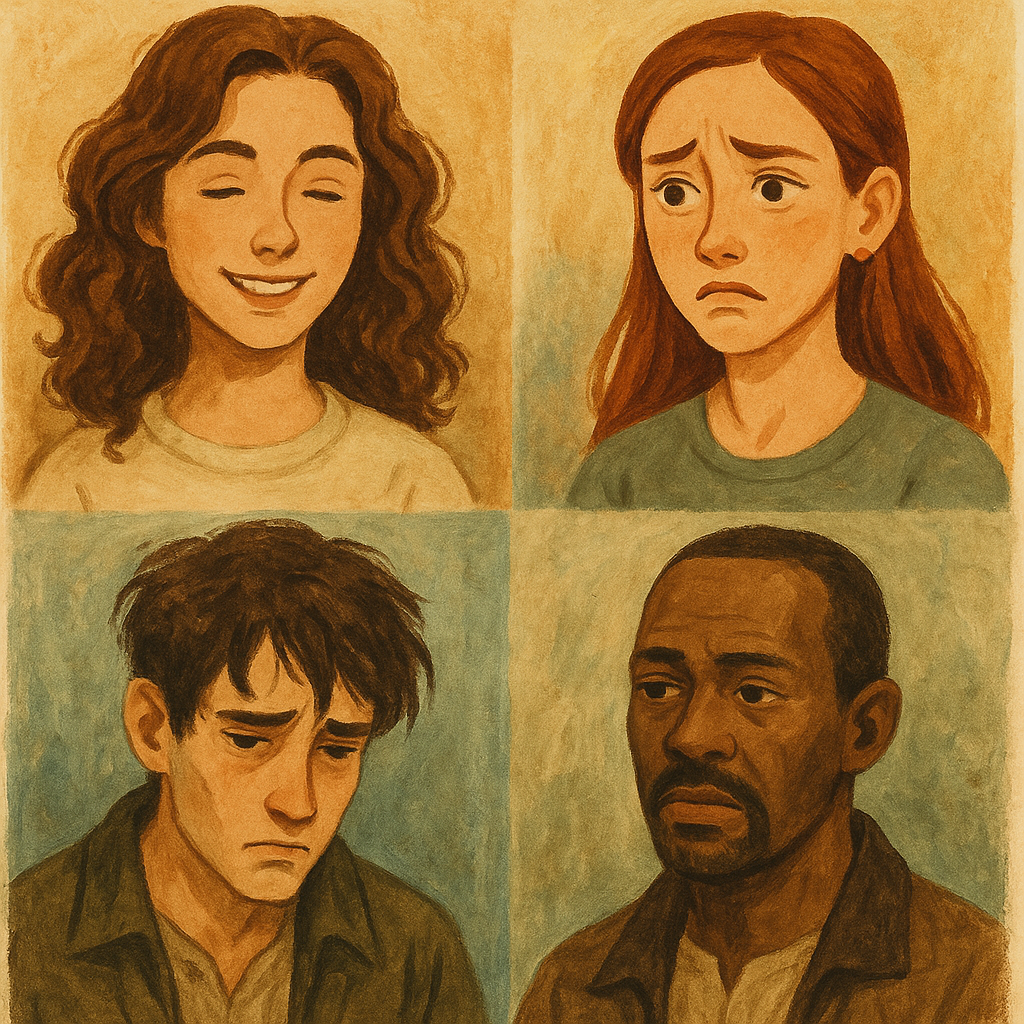
Artistic illustration of four expressive individuals representing different attachment styles through emotion and portraiture.
Posted inPsychological Concepts via Characters

Attachment Styles Explained Through Fictional Characters

Understanding psychological concepts can sometimes feel overwhelming. However, when these ideas are illustrated through storytelling, like in fiction, they become more digestible. In this article, we'll delve into attachment styles…
Posted by Screen Psyche July 10, 2025

Posts pagination

Previous page 1 … 6 7 8

Recent Posts

  • When People Stop Believing Their Actions Matter
  • Georgia Miller: When Survival Becomes Personality
  • Mickey Barnes: The Man Who Outsourced His Self-Worth
  • Altruistic Punishment: Hurting to “Protect” Morality
  • Seth Cohen and the Fear of Being Uncoolly Sincere

Recent Comments

  1. Love, Safety, and the Illusion of Rescue: Alex in Maid on The Trauma Bond: Why Characters Stay in Toxic Relationships
  2. Don’t Worry Darling; Love, Control, and the Fear of Being Ordinary on The Trauma Bond: Why Characters Stay in Toxic Relationships
  3. Ruth Langmore Loyalty And Rage In Ozark on The Trauma Bond: Why Characters Stay in Toxic Relationships
  4. Wearing The Mask: Study Of The False Self - screenpsyche.com on Identity and Reality in ‘The Truman Show’
  5. Killing Eve Themes: From Civilian To Dangerous - screenpsyche.com on The Trauma Bond: Why Characters Stay in Toxic Relationships

Archives

  • July 2026
  • June 2026
  • May 2026
  • April 2026
  • March 2026
  • February 2026
  • January 2026
  • December 2025
  • November 2025
  • October 2025
  • September 2025
  • August 2025
  • July 2025

Categories

  • Film Character Analysis
  • Psychological Concepts via Characters
  • TV Character Analysis
Search
Categories
  • Film Character Analysis
  • Psychological Concepts via Characters
  • TV Character Analysis
Archives
  • July 2026
  • June 2026
  • May 2026
  • April 2026
  • March 2026
  • February 2026
  • January 2026
  • December 2025
  • November 2025
  • October 2025
  • September 2025
  • August 2025
  • July 2025
Copyright 2026 — screenpsyche.com. All rights reserved. Bloghash WordPress Theme
Scroll to Top