Skip to content
screenpsyche.com
  • Home
  • Categories
    • Film Character Analysis
    • TV Character Analysis
    • Psychological Concepts via Characters
  • About Us
Subscribe

TV Character Analysis

  • Home
  • TV Character Analysis
  • Page 5
Dolores Abernathy in Westworld, painted in a semi-realistic oil painting style, symbolizing free will versus the illusion of choice.
Posted inTV Character Analysis

Westworld: Free Will vs. the Illusion of Choice

HBO's Westworld immerses viewers in a technologically advanced Wild West theme park populated by incredibly lifelike android "hosts." This simulated reality becomes a crucible for exploring profound philosophical questions about consciousness, reality,…
Posted by Screen Psyche September 6, 2025
Oil painting of Midge Maisel performing stand-up comedy in a vintage 1950s club, representing feminism and empowerment through humor.
Posted inTV Character Analysis

Humor as Feminist Rebellion in The Marvelous Mrs. Maisel

In The Marvelous Mrs. Maisel, we are introduced to Miriam “Midge” Maisel, a housewife in 1950s New York City who embarks on a groundbreaking career as a stand-up comedian. Midge is…
Posted by Screen Psyche September 2, 2025
Oil painting of Luthen Rael from Andor, depicting his inner conflict, sacrifice, and revolutionary struggle against the Galactic Empire.
Posted inTV Character Analysis

Luthen Rael (Andor): Sacrificing Humanity for Revolution

In the acclaimed Star Wars series Andor, Luthen Rael embodies the moral complexities of rebellion. This Luthen Rael character analysis explores his transformation from idealist to pragmatist, examining the sacrifices he…
Posted by Screen Psyche August 30, 2025
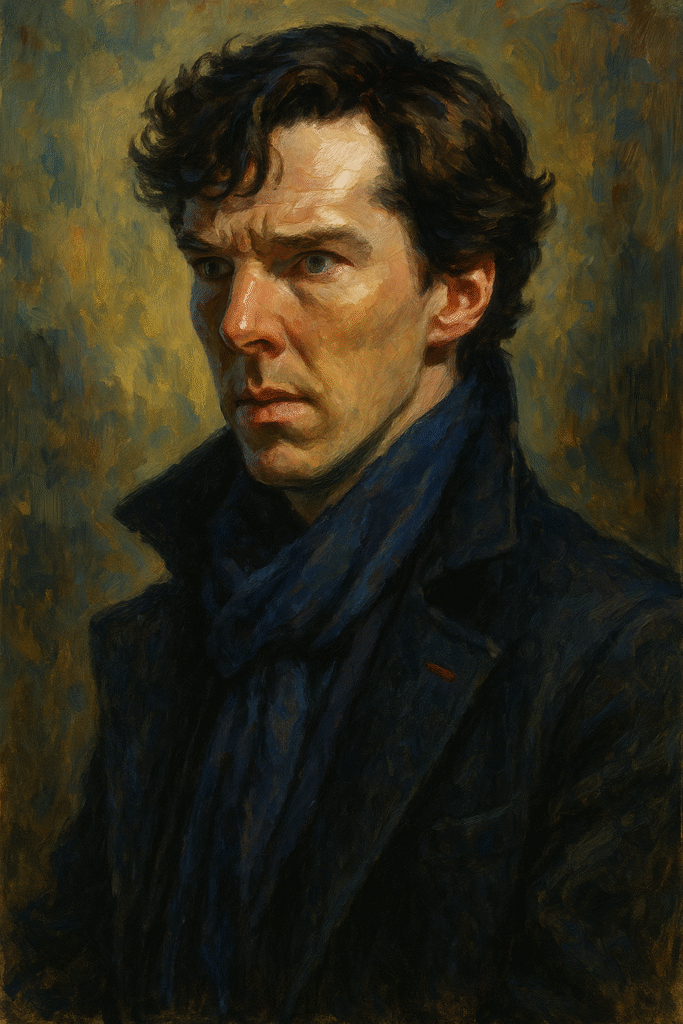
Oil painting of Sherlock Holmes in BBC series style, showing his genius, isolation, and emotional struggles with John Watson nearby.
Posted inTV Character Analysis

Sherlock Holmes BBC Series: An Exploration of Genius and Isolation

The BBC's Sherlock (2010-2017), starring Benedict Cumberbatch and Martin Freeman, revitalized Sir Arthur Conan Doyle's iconic detective for a modern audience. This adaptation retains the core elements of Sherlock's genius and complexity…
Posted by Screen Psyche August 27, 2025
Oil painting of Elliot Alderson from Mr. Robot symbolizing dissociation and digital isolation.
Posted inTV Character Analysis

Mr. Robot’s Elliot: Dissociation in the Digital Age

Introduction to Elliot Alderson and Mr. Robot In the realm of modern television, few characters epitomize the complex relationship between mental health and digital culture as effectively as Elliot Alderson…
Posted by Screen Psyche August 24, 2025
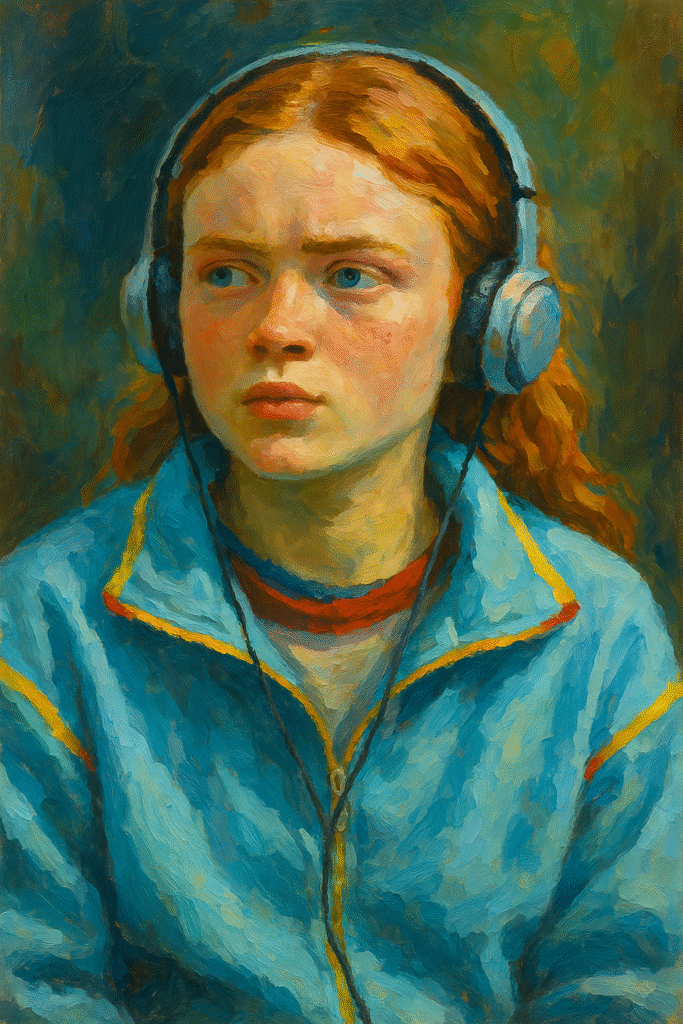
Oil painting of Max Mayfield from Stranger Things, portraying her emotional resilience and struggle with trauma in Hawkins.
Posted inTV Character Analysis

Stranger Things Max: A Deep Dive into Trauma, Survival, and Resilience

Max Mayfield, played by Sadie Sink, quickly captivated Stranger Things fans with her relatable struggles and strength. More than just the "zoomer" addition to the Hawkins crew, Max represents a powerful exploration…
Posted by Screen Psyche August 21, 2025
Oil painting style portrait of Prince Charles as portrayed in The Crown, symbolizing his struggle between royal duty and personal identity.
Posted inTV Character Analysis

The Crown’s Charles: The Conflict Between Role and Self

In Netflix's The Crown, Prince Charles embodies a profound tension between personal identity and royal duty. This internal conflict shapes his character, influencing his ambitions, relationships, and emotional struggles. This article…
Posted by Screen Psyche August 18, 2025
Digital painting of Rhaenyra Targaryen seated with a sword, a dragon looming behind her, symbolizing her struggle between duty and desire.
Posted inTV Character Analysis

House of the Dragon: Rhaenyra Targaryen’s Duty vs. Desire

Rhaenyra Targaryen, a central figure in HBO's House of the Dragon, embodies a complex interplay of legacy and turmoil. Born a Targaryen princess, she carries the immense weight of her family's…
Posted by Screen Psyche August 16, 2025
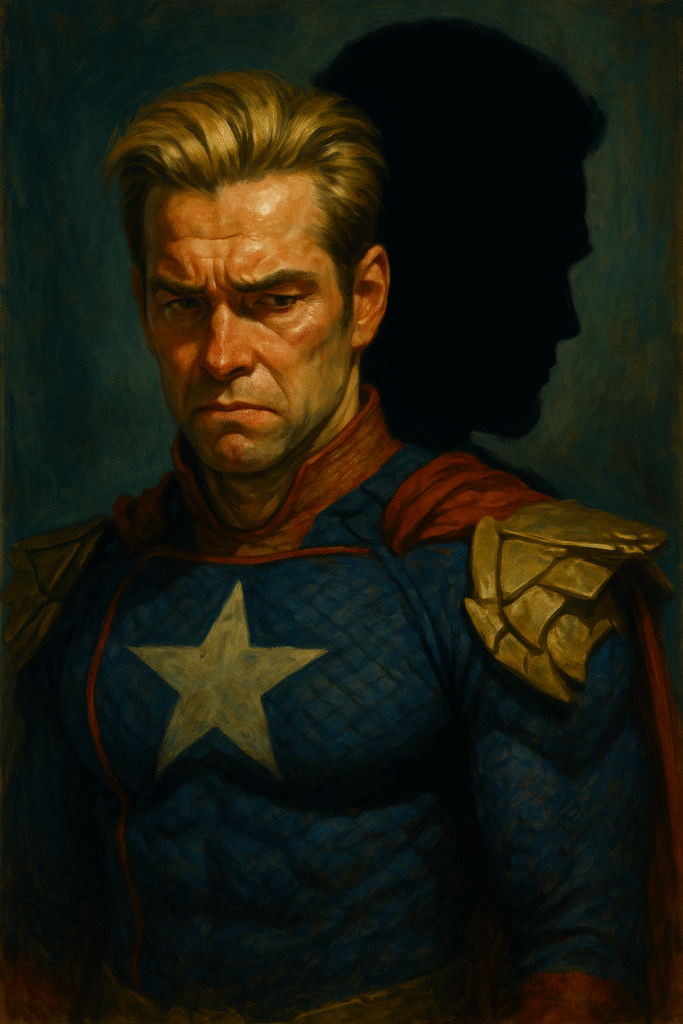
Oil painting-style portrait of Homelander from The Boys, reflecting narcissism, fragile ego, and manipulative power dynamics.
Posted inTV Character Analysis

Power and Identity in The Boys: A Deep Dive into Homelander’s Narcissism and Fragile Ego

Amazon's The Boys offers a dark satire of superhero culture, with Homelander, played by Antony Starr, as its complex centerpiece. This analysis explores Homelander's character through the lens of narcissism, power dynamics,…
Posted by Screen Psyche August 15, 2025
Oil painting portrait of Nate Jacobs from HBO's Euphoria, symbolizing toxic masculinity and fear of exposure.
Posted inTV Character Analysis

The Fear of Exposure in Euphoria: A Deep Dive into Nate Jacobs and Toxic Masculinity

HBO's Euphoria offers a raw and unflinching look at the complexities of adolescence in the modern age. Among its diverse cast, Nate Jacobs emerges as a chilling portrait of toxic masculinity, a…
Posted by Screen Psyche August 14, 2025

Posts pagination

Previous page 1 … 3 4 5 6 7 8 Next page

Recent Posts

  • Louise Banks in Arrival: Loving Someone Even When You Know How the Story Ends
  • The Spotlight Effect: Why We Think Everyone Is Watching Us
  • Buffy Summers: When You Outgrow the Life You Were Supposed to Want
  • Theo Faron: Is Cynicism Easier Than Hope
  • The Arrival Fallacy And Why Success Feels So Strange

Recent Comments

  1. Louise Banks in Arrival: Loving Someone Even When You Know How the Story Ends on Gothic Themes in Film and TV: Analyzing Gothic Characters
  2. The Spotlight Effect: Why We Think Everyone Is Watching Us on The Fear of Mediocrity: A Psychological Exploration in Character Development
  3. The Spotlight Effect: Why We Think Everyone Is Watching Us on Mickey Barnes: The Man Who Outsourced His Self-Worth
  4. Buffy Summers: When You Outgrow the Life You Were Supposed to Want on Normal People: Why Painful Love Feels Like Home to You
  5. Love, Safety, and the Illusion of Rescue: Alex in Maid on The Trauma Bond: Why Characters Stay in Toxic Relationships

Archives

  • November 2026
  • October 2026
  • September 2026
  • August 2026
  • July 2026
  • June 2026
  • May 2026
  • April 2026
  • March 2026
  • February 2026
  • January 2026
  • December 2025
  • November 2025
  • October 2025
  • September 2025
  • August 2025
  • July 2025

Categories

  • Film Character Analysis
  • Psychological Concepts via Characters
  • TV Character Analysis
Search
Categories
  • Film Character Analysis
  • Psychological Concepts via Characters
  • TV Character Analysis
Archives
  • November 2026
  • October 2026
  • September 2026
  • August 2026
  • July 2026
  • June 2026
  • May 2026
  • April 2026
  • March 2026
  • February 2026
  • January 2026
  • December 2025
  • November 2025
  • October 2025
  • September 2025
  • August 2025
  • July 2025
Copyright 2026 — screenpsyche.com. All rights reserved. Bloghash WordPress Theme
Scroll to Top