Skip to content
screenpsyche.com
  • Home
  • Categories
    • Film Character Analysis
    • TV Character Analysis
    • Psychological Concepts via Characters
  • About Us
Subscribe

Posts by Screen Psyche

  • Home
  • Screen Psyche
  • Page 11
About Screen Psyche
Oil painting of a lone figure walking on a path surrounded by bright, abstract landscapes, symbolizing the fear of mediocrity and the search for meaning in life.
Posted inPsychological Concepts via Characters

The Fear of Mediocrity: A Psychological Exploration in Character Development

Introduction to the Theme of Mediocrity in Storytelling Mediocrity, the state of being average, often bears a negative connotation in our society, where exceptional achievements are glorified, and the ordinary…
Posted by Screen Psyche September 27, 2025
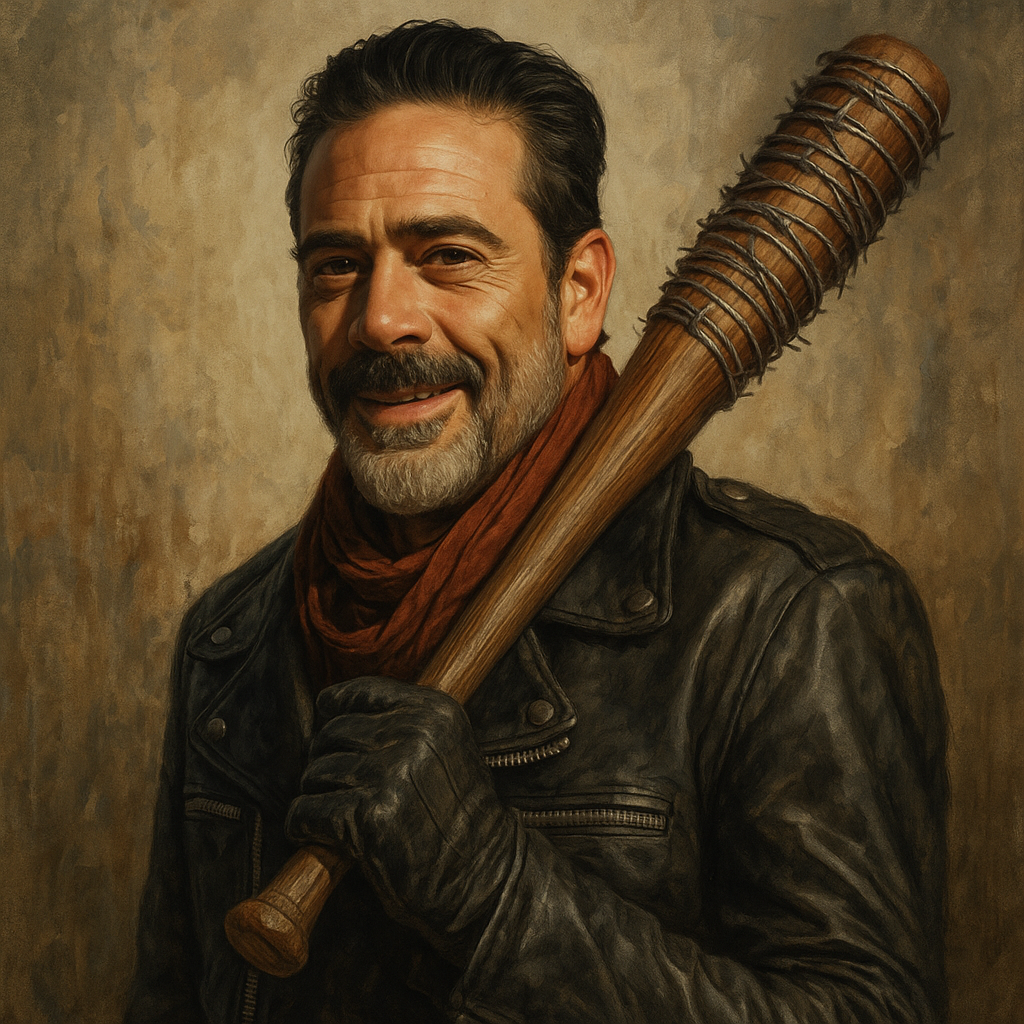
Realistic digital painting of Negan from The Walking Dead, portrayed as a cult leader holding Lucille the bat, symbolizing charisma, fear, and psychological control.
Posted inTV Character Analysis

Understanding the Psychology of a Cult Leader: Negan in The Walking Dead

Introduction to Negan's Character Introduced in the eleventh season of The Walking Dead, Negan is one of the most notorious and compelling characters in the series. He emerges as the leader…
Posted by Screen Psyche September 26, 2025
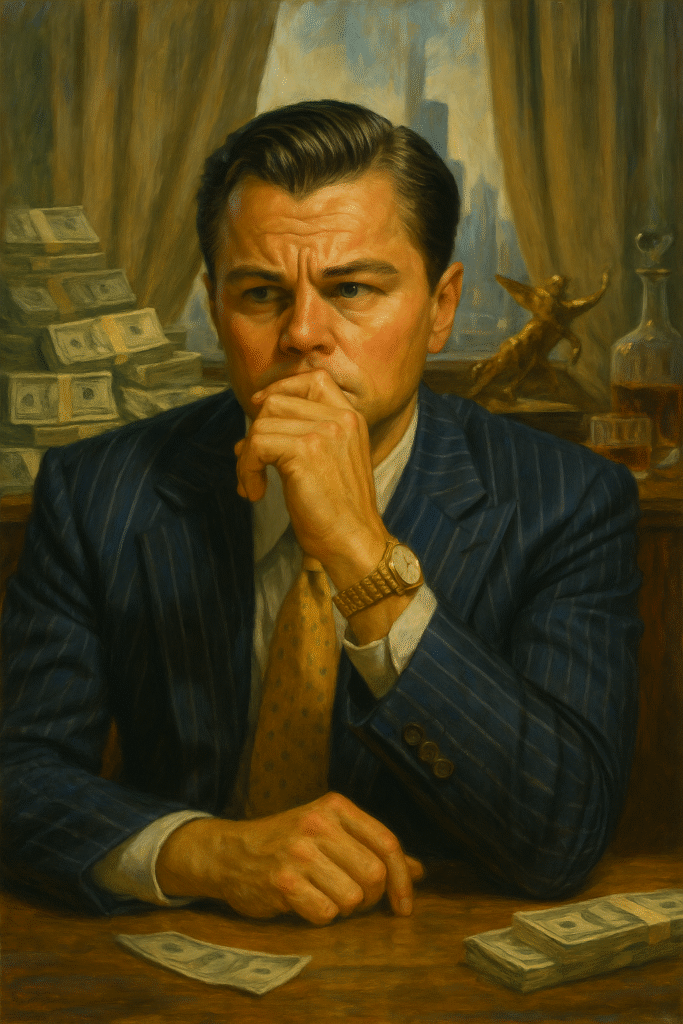
Oil painting of Jordan Belfort in The Wolf of Wall Street, symbolizing addiction, greed, and power on Wall Street.
Posted inFilm Character Analysis

The Wolf of Wall Street: A Deep Dive into Addiction, Greed, and Power

Jordan Belfort, the infamous "Wolf of Wall Street," captivated audiences in Martin Scorsese's 2013 film. This adaptation of Belfort's memoir chronicles his tumultuous journey through the world of stock brokerage,…
Posted by Screen Psyche September 25, 2025
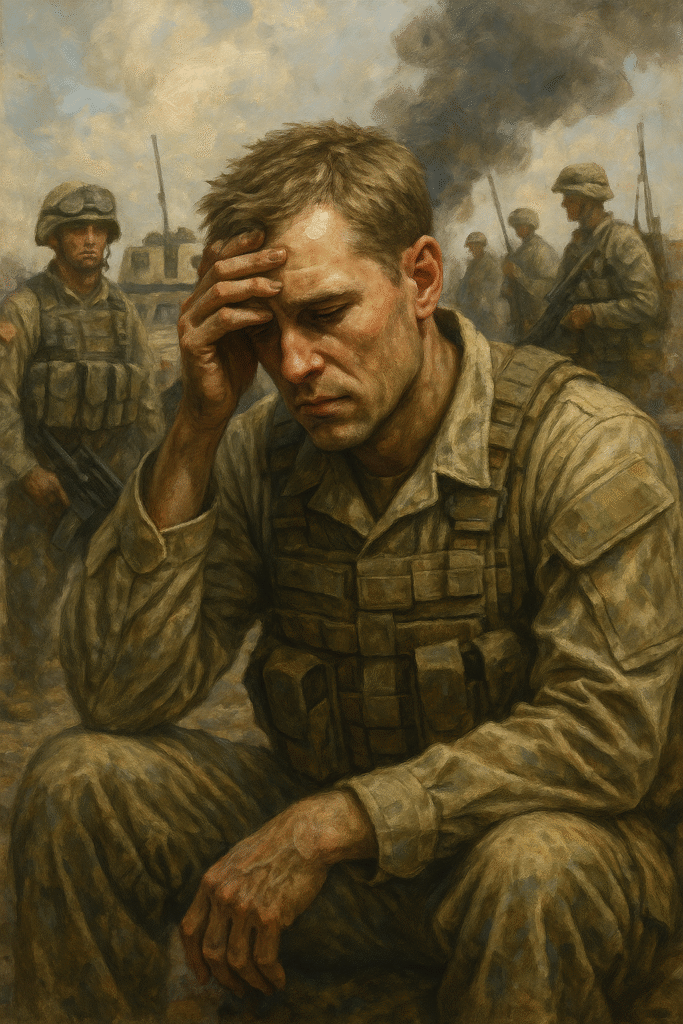
Oil painting of a soldier reflecting during wartime, symbolizing the psychological conflict of moral injury, duty versus humanity.
Posted inPsychological Concepts via Characters

Moral Injury in War Films: When Duty Conflicts with Humanity

Introduction to the Psychological Impact of Moral Injury in War Films Moral injury represents a profound psychological wound stemming from actions that violate one’s moral or ethical code, especially in…
Posted by Screen Psyche September 24, 2025
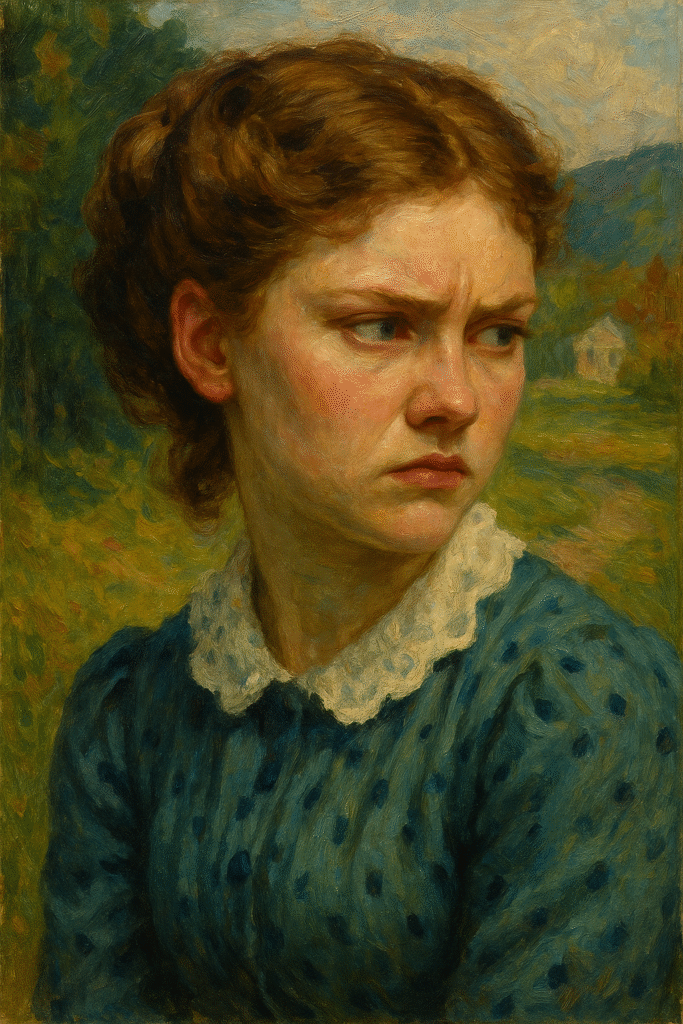
Oil painting of Rory Gilmore from Gilmore Girls, inspired by her journey of ambition, perfectionism, and fear of failure.
Posted inTV Character Analysis

Rory Gilmore’s Fear of Failure: A Gilmore Girls Character Study

Rory Gilmore, the bookish and ambitious young scholar from Gilmore Girls, captivates audiences with her quick wit, intelligence, and underlying vulnerability. Her journey, from Stars Hollow to Yale and beyond, offers…
Posted by Screen Psyche September 23, 2025
Oil painting of young Coriolanus Snow from The Hunger Games: The Ballad of Songbirds and Snakes, symbolizing his rise from privilege to tyranny.
Posted inFilm Character Analysis

The Making of a Tyrant: Love, Power, and Coriolanus Snow in The Hunger Games Ballad of Songbirds and Snakes

Coriolanus Snow, the tyrannical president of Panem in Suzanne Collins' The Hunger Games, is given a compelling origin story in the prequel, The Ballad of Songbirds and Snakes. This exploration of young…
Posted by Screen Psyche September 22, 2025
Oil painting of a young man in emotional conflict, symbolizing the fear of intimacy and the struggle to open up in relationships.
Posted inPsychological Concepts via Characters

The Fear of Intimacy: Why Some Characters Run from Love

The fear of intimacy, a pervasive theme in television and film, offers a compelling lens through which to explore the complexities of human connection. This deep-seated anxiety surrounding close relationships…
Posted by Screen Psyche September 21, 2025
Digital painting of Starlight from The Boys, symbolizing integrity, resistance, and moral courage against Vought’s corruption.
Posted inTV Character Analysis

Character Development in The Boys’ Starlight: A Beacon of Integrity in a Corrupt World

Amazon Prime's The Boys flips the superhero genre on its head, exposing the dark underbelly of fame and power. At the center of this morally grey world is Starlight (Erin Moriarty), whose…
Posted by Screen Psyche September 19, 2025
Oil painting of Maximus Decimus Meridius in Gladiator, symbolizing revenge, grief, and resilience.
Posted inFilm Character Analysis

Exploring the Psychology of Revenge in Gladiator

Introduction to Gladiator and Its Main Themes Released in 2000, Gladiator, directed by Ridley Scott, revitalized the epic historical drama genre. It is a tale steeped in themes of honor, betrayal,…
Posted by Screen Psyche September 18, 2025
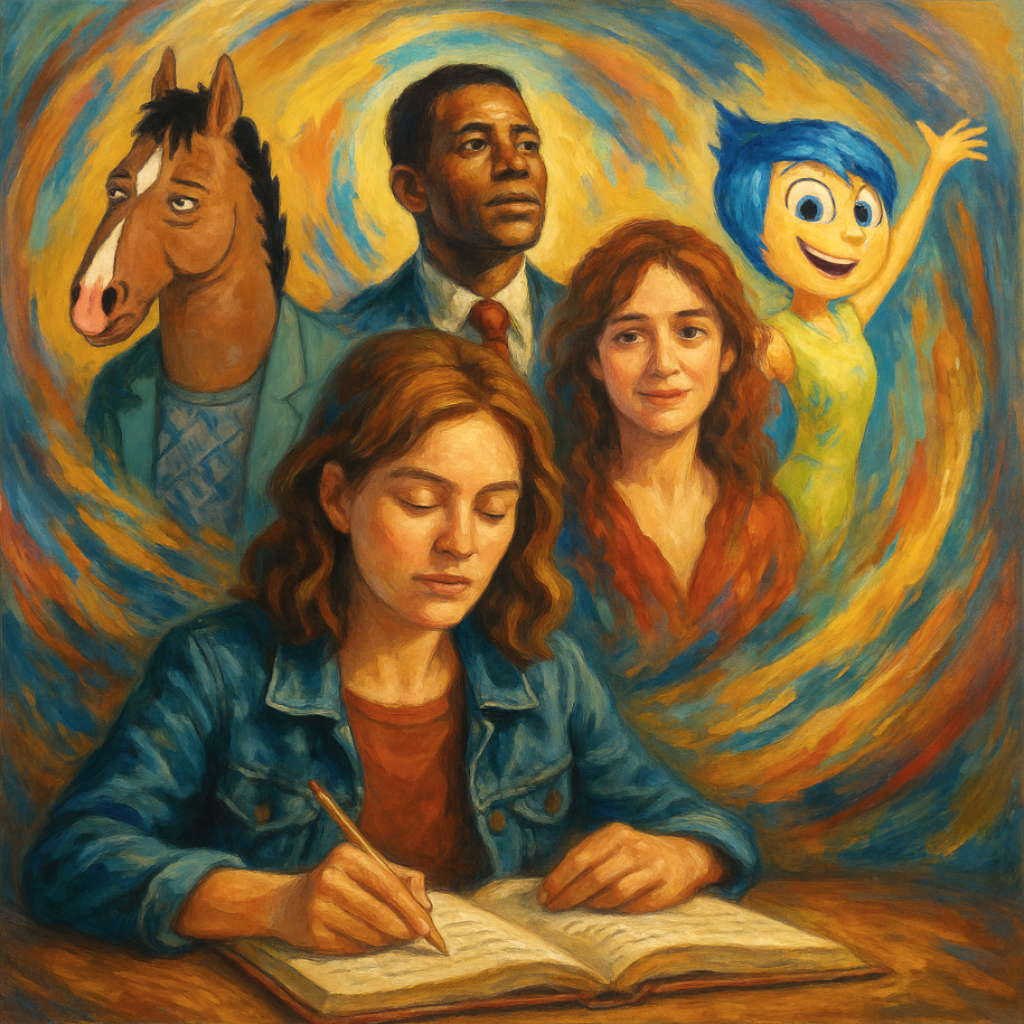
A realistic oil painting showing multiple film and TV characters burdened with emotional labor, their faces and body language expressing exhaustion, resilience, and hidden strength, symbolizing the invisible emotional work in storytelling.
Posted inPsychological Concepts via Characters

The Invisible Burden: Emotional Labor as a Narrative Force

Understanding Emotional Labor: A Historical and Societal Perspective Emotional labor, a concept introduced by sociologist Arlie Russell Hochschild in her 1983 book The Managed Heart, describes the effort involved in managing…
Posted by Screen Psyche September 17, 2025

Posts pagination

Previous page 1 … 9 10 11 12 13 … 24 Next page

Recent Posts

  • Mildred Hayes And Anger As Loyalty To The Dead
  • Choice Overload On Screen: When Too Many Options Hurt
  • When Curiosity Quietly Becomes Obsession in Mindhunter
  • Ava: The Psychology of Performing Vulnerability
  • When People Stop Believing Their Actions Matter

Recent Comments

  1. Love, Safety, and the Illusion of Rescue: Alex in Maid on The Trauma Bond: Why Characters Stay in Toxic Relationships
  2. Don’t Worry Darling; Love, Control, and the Fear of Being Ordinary on The Trauma Bond: Why Characters Stay in Toxic Relationships
  3. Ruth Langmore Loyalty And Rage In Ozark on The Trauma Bond: Why Characters Stay in Toxic Relationships
  4. Wearing The Mask: Study Of The False Self - screenpsyche.com on Identity and Reality in ‘The Truman Show’
  5. Killing Eve Themes: From Civilian To Dangerous - screenpsyche.com on The Trauma Bond: Why Characters Stay in Toxic Relationships

Archives

  • August 2026
  • July 2026
  • June 2026
  • May 2026
  • April 2026
  • March 2026
  • February 2026
  • January 2026
  • December 2025
  • November 2025
  • October 2025
  • September 2025
  • August 2025
  • July 2025

Categories

  • Film Character Analysis
  • Psychological Concepts via Characters
  • TV Character Analysis
Search
Categories
  • Film Character Analysis
  • Psychological Concepts via Characters
  • TV Character Analysis
Archives
  • August 2026
  • July 2026
  • June 2026
  • May 2026
  • April 2026
  • March 2026
  • February 2026
  • January 2026
  • December 2025
  • November 2025
  • October 2025
  • September 2025
  • August 2025
  • July 2025
Copyright 2026 — screenpsyche.com. All rights reserved. Bloghash WordPress Theme
Scroll to Top