Skip to content
screenpsyche.com
  • Home
  • Categories
    • Film Character Analysis
    • TV Character Analysis
    • Psychological Concepts via Characters
  • About Us
Subscribe

Posts by Screen Psyche

  • Home
  • Screen Psyche
  • Page 13
About Screen Psyche
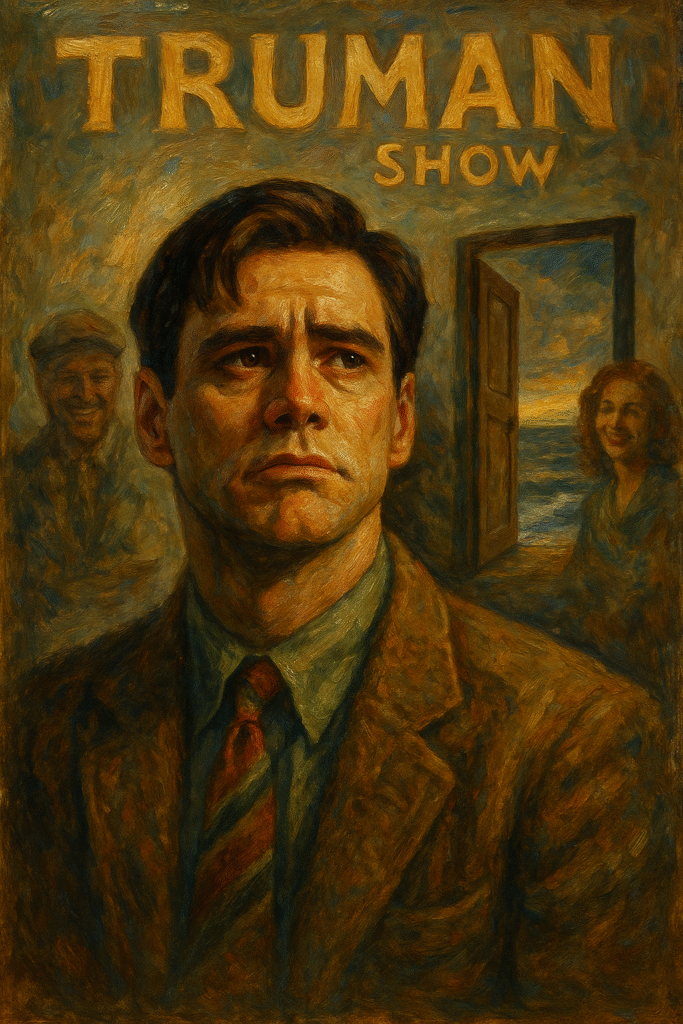
Oil painting of Truman Burbank from The Truman Show, symbolizing identity, reality, and the search for authenticity.
Posted inFilm Character Analysis

Identity and Reality in ‘The Truman Show’

'The Truman Show,' directed by Peter Weir and released in 1998, is a film that has carved its own niche in cinematic history as a profound exploration of identity, reality,…
Posted by Screen Psyche September 4, 2025
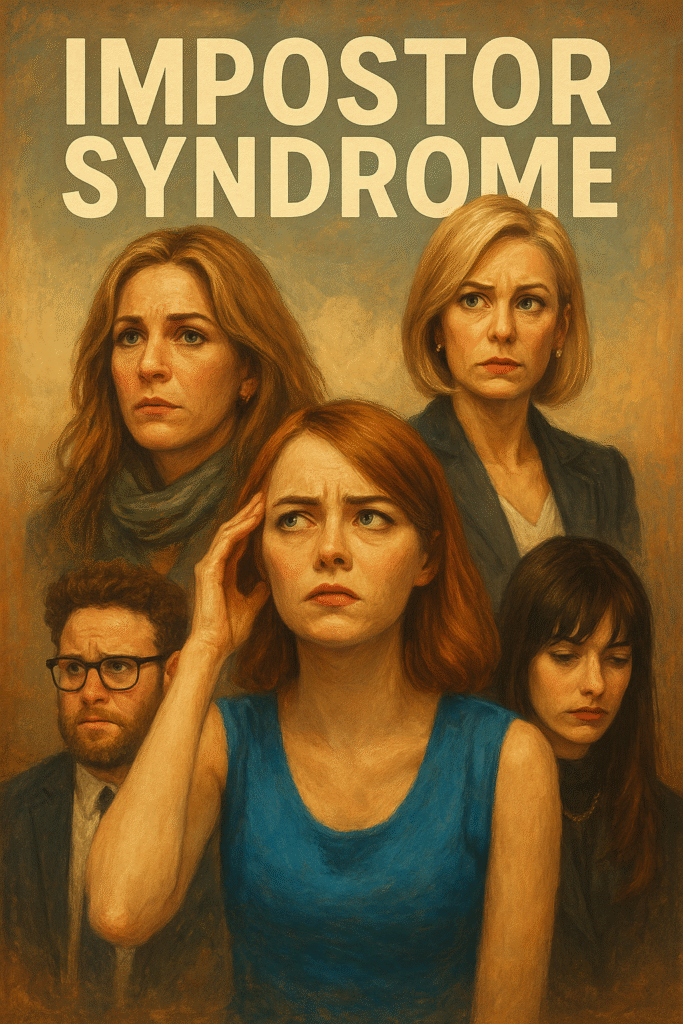
Semi-realistic illustration of characters from film and TV struggling with impostor syndrome, including Elizabeth Gilbert, Andy Sachs, Mia Dolan, and Fred Flarsky.
Posted inPsychological Concepts via Characters

Impostor Syndrome in Film: Characters Who Feel Like Frauds Despite Success

Impostor syndrome, a pervasive psychological phenomenon, affects individuals who doubt their abilities and feel like frauds despite evident accomplishments. This analysis delves into notable fictional characters from film and television…
Posted by Screen Psyche September 3, 2025
Oil painting of Midge Maisel performing stand-up comedy in a vintage 1950s club, representing feminism and empowerment through humor.
Posted inTV Character Analysis

Humor as Feminist Rebellion in The Marvelous Mrs. Maisel

In The Marvelous Mrs. Maisel, we are introduced to Miriam “Midge” Maisel, a housewife in 1950s New York City who embarks on a groundbreaking career as a stand-up comedian. Midge is…
Posted by Screen Psyche September 2, 2025
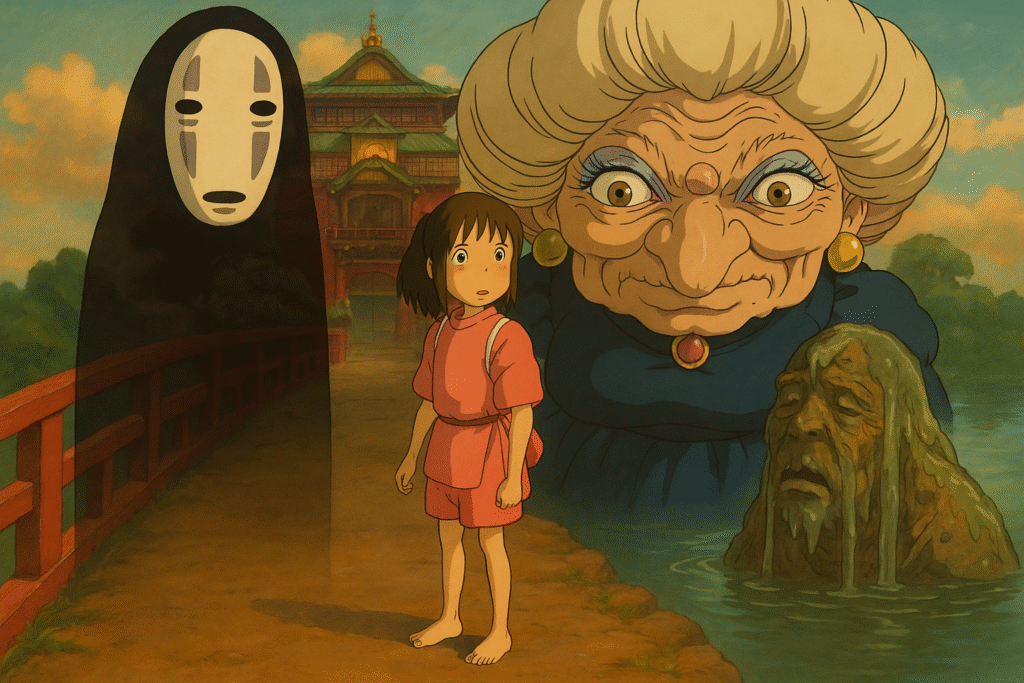
Chihiro from Spirited Away facing mystical spirits, representing childhood fear, innocence, and growth.
Posted inFilm Character Analysis

Fear and Innocence in Childhood: A Deep Dive into Spirited Away

Hayao Miyazaki's Spirited Away (2001) isn't just a visually stunning animated film; it's a profound exploration of childhood fears and the loss of innocence. As Chihiro navigates a magical bathhouse to rescue…
Posted by Screen Psyche September 1, 2025
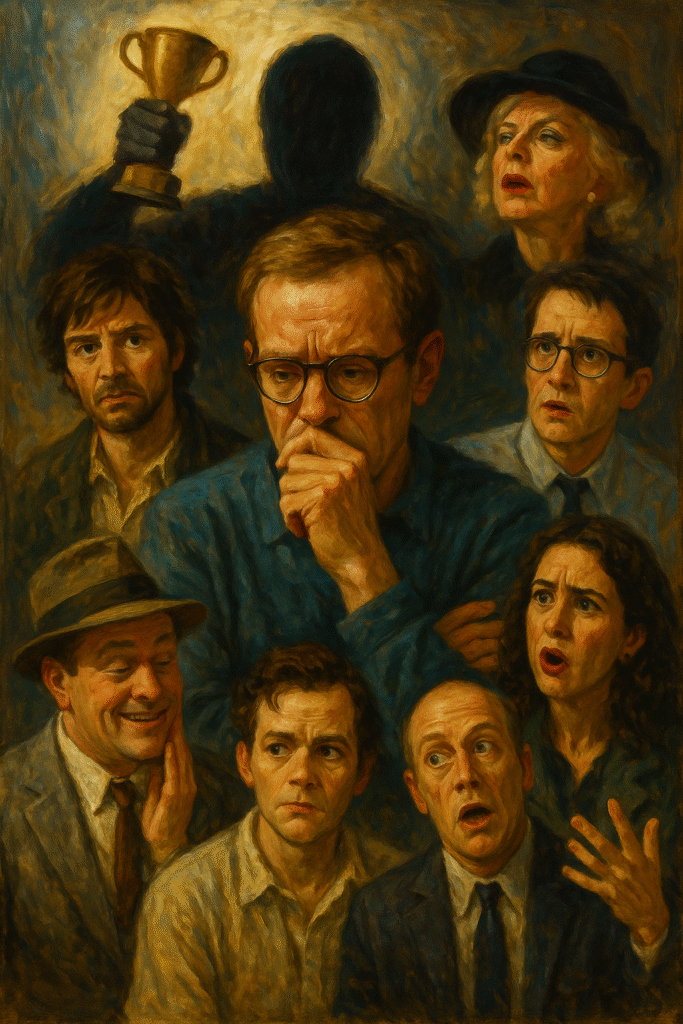
Oil painting of famous fictional characters facing fear of success and self-sabotage, including Walter White, Frodo, Carrie Bradshaw, Don Draper, Michael Scott, and Moira Rose.
Posted inPsychological Concepts via Characters

The Psychological Impacts of Success and Self-Sabotage in Characters

Introduction to Fear of Success Fear of success is a complex psychological phenomenon that manifests in various ways, especially in storytelling and character development within literature, film, and other narrative…
Posted by Screen Psyche August 31, 2025
Oil painting of Luthen Rael from Andor, depicting his inner conflict, sacrifice, and revolutionary struggle against the Galactic Empire.
Posted inTV Character Analysis

Luthen Rael (Andor): Sacrificing Humanity for Revolution

In the acclaimed Star Wars series Andor, Luthen Rael embodies the moral complexities of rebellion. This Luthen Rael character analysis explores his transformation from idealist to pragmatist, examining the sacrifices he…
Posted by Screen Psyche August 30, 2025
An oil painting-style illustration of Elisa Esposito and the Amphibian Man from The Shape of Water, symbolizing themes of love, loneliness, and Otherness.
Posted inFilm Character Analysis

Exploring Otherness in The Shape of Water

Guillermo del Toro's The Shape of Water isn't just a fantasy film; it's a poignant exploration of love, loneliness, and the human experience through the eyes of Elisa Esposito, a mute protagonist.…
Posted by Screen Psyche August 29, 2025
Oil painting-style illustration showing characters from The Leftovers, The Impossible, 13 Reasons Why, and The Wilds, symbolizing survivor’s guilt, trauma, and resilience.
Posted inPsychological Concepts via Characters

Survivor’s Guilt in Films: An In-Depth Analysis

Survivor's guilt, the profound remorse or responsibility felt after surviving a trauma where others didn’t, is increasingly explored in film and television. These narratives blend thrilling storytelling with psychological authenticity,…
Posted by Screen Psyche August 28, 2025
Oil painting of Sherlock Holmes in BBC series style, showing his genius, isolation, and emotional struggles with John Watson nearby.
Posted inTV Character Analysis

Sherlock Holmes BBC Series: An Exploration of Genius and Isolation

The BBC's Sherlock (2010-2017), starring Benedict Cumberbatch and Martin Freeman, revitalized Sir Arthur Conan Doyle's iconic detective for a modern audience. This adaptation retains the core elements of Sherlock's genius and complexity…
Posted by Screen Psyche August 27, 2025
Oil painting of Terence Fletcher from Whiplash, portraying the intense and abusive mentor pushing a young drummer to greatness through fear and psychological pressure.
Posted inFilm Character Analysis

Whiplash’s Fletcher: A Fine Line Between Abuse and Greatness

Introduction to Fletcher's Character and Whiplash Damien Chazelle’s film Whiplash centers around the intense relationship between a young jazz drummer, Andrew Neiman (played by Miles Teller), and his demanding mentor, Terence Fletcher…
Posted by Screen Psyche August 26, 2025

Posts pagination

Previous page 1 … 11 12 13 14 15 … 24 Next page

Recent Posts

  • Mildred Hayes And Anger As Loyalty To The Dead
  • Choice Overload On Screen: When Too Many Options Hurt
  • When Curiosity Quietly Becomes Obsession in Mindhunter
  • Ava: The Psychology of Performing Vulnerability
  • When People Stop Believing Their Actions Matter

Recent Comments

  1. Love, Safety, and the Illusion of Rescue: Alex in Maid on The Trauma Bond: Why Characters Stay in Toxic Relationships
  2. Don’t Worry Darling; Love, Control, and the Fear of Being Ordinary on The Trauma Bond: Why Characters Stay in Toxic Relationships
  3. Ruth Langmore Loyalty And Rage In Ozark on The Trauma Bond: Why Characters Stay in Toxic Relationships
  4. Wearing The Mask: Study Of The False Self - screenpsyche.com on Identity and Reality in ‘The Truman Show’
  5. Killing Eve Themes: From Civilian To Dangerous - screenpsyche.com on The Trauma Bond: Why Characters Stay in Toxic Relationships

Archives

  • August 2026
  • July 2026
  • June 2026
  • May 2026
  • April 2026
  • March 2026
  • February 2026
  • January 2026
  • December 2025
  • November 2025
  • October 2025
  • September 2025
  • August 2025
  • July 2025

Categories

  • Film Character Analysis
  • Psychological Concepts via Characters
  • TV Character Analysis
Search
Categories
  • Film Character Analysis
  • Psychological Concepts via Characters
  • TV Character Analysis
Archives
  • August 2026
  • July 2026
  • June 2026
  • May 2026
  • April 2026
  • March 2026
  • February 2026
  • January 2026
  • December 2025
  • November 2025
  • October 2025
  • September 2025
  • August 2025
  • July 2025
Copyright 2026 — screenpsyche.com. All rights reserved. Bloghash WordPress Theme
Scroll to Top