Skip to content
screenpsyche.com
  • Home
  • Categories
    • Film Character Analysis
    • TV Character Analysis
    • Psychological Concepts via Characters
  • About Us
Subscribe

Posts by Screen Psyche

  • Home
  • Screen Psyche
  • Page 14
About Screen Psyche
An artistic oil-style painting depicting the Final Girl archetype in horror media, symbolizing survival, resilience, and empowerment in slasher films.
Posted inPsychological Concepts via Characters

The Final Girl Trope in Horror Media: A Deep Dive into the Feminine Archetype

The Final Girl Trope in Horror Media: A Deep Dive into the Feminine Archetype Introduction to the Final Girl Trope The Final Girl trope is a key element in horror…
Posted by Screen Psyche August 25, 2025
Oil painting of Elliot Alderson from Mr. Robot symbolizing dissociation and digital isolation.
Posted inTV Character Analysis

Mr. Robot’s Elliot: Dissociation in the Digital Age

Introduction to Elliot Alderson and Mr. Robot In the realm of modern television, few characters epitomize the complex relationship between mental health and digital culture as effectively as Elliot Alderson…
Posted by Screen Psyche August 24, 2025
Digital painting of Timothée Chalamet as Willy Wonka in 2023 film, symbolizing imagination, isolation, and the sacrifices of genius.
Posted inFilm Character Analysis

The Price of Genius: An Analysis of Imagination, Isolation, and Sacrifice in ‘Wonka (2023)’

Introduction to Wonka and its Relevance in Contemporary Culture In the vibrant landscape of cinema, Wonka (2023) emerges as a significant exploration of profound themes that resonate with audiences on multiple levels.…
Posted by Screen Psyche August 23, 2025
Oil painting of doppelgänger characters from TV and film symbolizing duality, identity conflict, and psychological fear.
Posted inPsychological Concepts via Characters

Doppelgänger Themes on Screen: A Deep Dive into Our Fears

The doppelgänger, a familiar trope in film and television, taps into our deepest anxieties about identity, duality, and the unknown. This article explores the psychological and cultural significance of doppelgängers…
Posted by Screen Psyche August 22, 2025
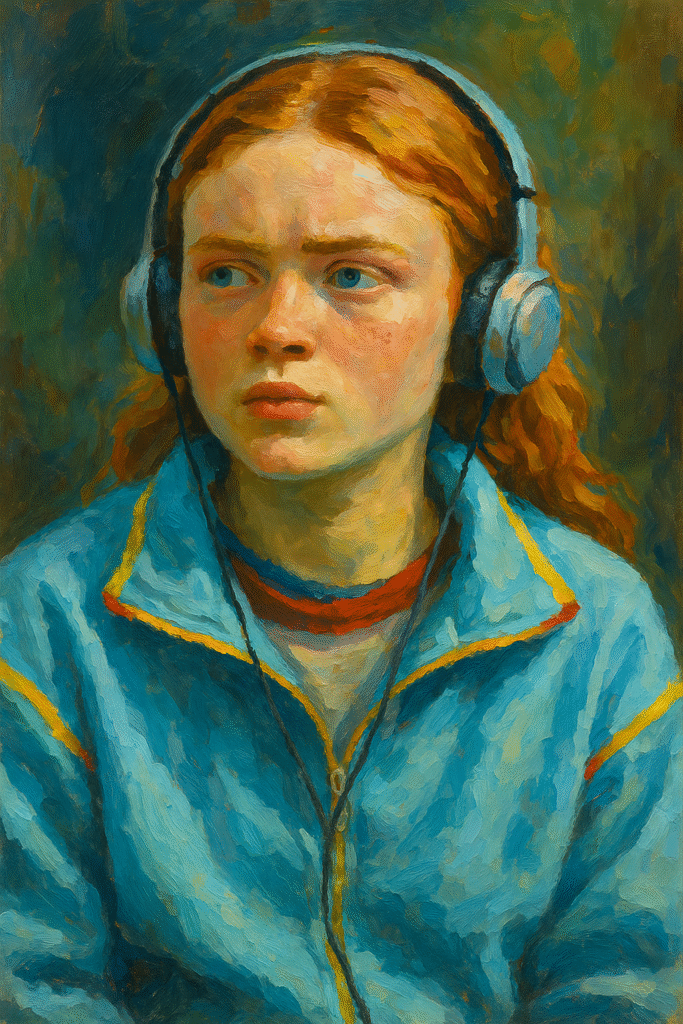
Oil painting of Max Mayfield from Stranger Things, portraying her emotional resilience and struggle with trauma in Hawkins.
Posted inTV Character Analysis

Stranger Things Max: A Deep Dive into Trauma, Survival, and Resilience

Max Mayfield, played by Sadie Sink, quickly captivated Stranger Things fans with her relatable struggles and strength. More than just the "zoomer" addition to the Hawkins crew, Max represents a powerful exploration…
Posted by Screen Psyche August 21, 2025
Oil painting of Severus Snape with dark robes, hooked nose, and stern expression, symbolizing love, bitterness, and redemption in Harry Potter.
Posted inFilm Character Analysis

The Double Life of Severus Snape: Love, Bitterness, and Redemption in Harry Potter

Severus Snape, a character etched in complexity within J.K. Rowling's Harry Potter series, remains a source of fascination for fans and critics alike. His narrative, woven with threads of unrequited…
Posted by Screen Psyche August 20, 2025
Oil painting of iconic antiheroes—Walter White, Anton Chigurh, Joffrey Baratheon, and Frank Castle—symbolizing revenge, morality, and psychological conflict.
Posted inPsychological Concepts via Characters

The Psychology of Revenge: Why We Cheer for Antiheroes

Dive into the dark allure of revenge and explore why we're captivated by antiheroes who blur the lines of morality. This article examines the psychological motivations behind revenge, analyzes iconic…
Posted by Screen Psyche August 19, 2025
Oil painting style portrait of Prince Charles as portrayed in The Crown, symbolizing his struggle between royal duty and personal identity.
Posted inTV Character Analysis

The Crown’s Charles: The Conflict Between Role and Self

In Netflix's The Crown, Prince Charles embodies a profound tension between personal identity and royal duty. This internal conflict shapes his character, influencing his ambitions, relationships, and emotional struggles. This article…
Posted by Screen Psyche August 18, 2025
Oil painting of Joel and Clementine from Eternal Sunshine of the Spotless Mind, symbolizing memory, love, and emotional conflict.
Posted inFilm Character Analysis

Eternal Sunshine of the Spotless Mind: Memory as Love’s Battlefield

Introduction to 'Eternal Sunshine of the Spotless Mind' and Its Relevance Released in 2004 and directed by Michel Gondry, Eternal Sunshine of the Spotless Mind has emerged as a pivotal film exploring…
Posted by Screen Psyche August 17, 2025
Aesthetic cinematic painting symbolizing catharsis in modern cinema, showing emotional release through tragic storytelling.
Posted inPsychological Concepts via Characters

Catharsis in Modern Cinema: Why Tragedy Moves Us

From Aristotle's Poetics to the silver screen, the concept of catharsis has played a crucial role in our understanding of art's emotional power. In modern cinema, catharsis describes the intense emotional release…
Posted by Screen Psyche August 16, 2025

Posts pagination

Previous page 1 … 12 13 14 15 16 … 24 Next page

Recent Posts

  • Mildred Hayes And Anger As Loyalty To The Dead
  • Choice Overload On Screen: When Too Many Options Hurt
  • When Curiosity Quietly Becomes Obsession in Mindhunter
  • Ava: The Psychology of Performing Vulnerability
  • When People Stop Believing Their Actions Matter

Recent Comments

  1. Love, Safety, and the Illusion of Rescue: Alex in Maid on The Trauma Bond: Why Characters Stay in Toxic Relationships
  2. Don’t Worry Darling; Love, Control, and the Fear of Being Ordinary on The Trauma Bond: Why Characters Stay in Toxic Relationships
  3. Ruth Langmore Loyalty And Rage In Ozark on The Trauma Bond: Why Characters Stay in Toxic Relationships
  4. Wearing The Mask: Study Of The False Self - screenpsyche.com on Identity and Reality in ‘The Truman Show’
  5. Killing Eve Themes: From Civilian To Dangerous - screenpsyche.com on The Trauma Bond: Why Characters Stay in Toxic Relationships

Archives

  • August 2026
  • July 2026
  • June 2026
  • May 2026
  • April 2026
  • March 2026
  • February 2026
  • January 2026
  • December 2025
  • November 2025
  • October 2025
  • September 2025
  • August 2025
  • July 2025

Categories

  • Film Character Analysis
  • Psychological Concepts via Characters
  • TV Character Analysis
Search
Categories
  • Film Character Analysis
  • Psychological Concepts via Characters
  • TV Character Analysis
Archives
  • August 2026
  • July 2026
  • June 2026
  • May 2026
  • April 2026
  • March 2026
  • February 2026
  • January 2026
  • December 2025
  • November 2025
  • October 2025
  • September 2025
  • August 2025
  • July 2025
Copyright 2026 — screenpsyche.com. All rights reserved. Bloghash WordPress Theme
Scroll to Top