Skip to content
screenpsyche.com
  • Home
  • Categories
    • Film Character Analysis
    • TV Character Analysis
    • Psychological Concepts via Characters
  • About Us
Subscribe

Psychological Concepts via Characters

  • Home
  • Psychological Concepts via Characters
  • Page 4
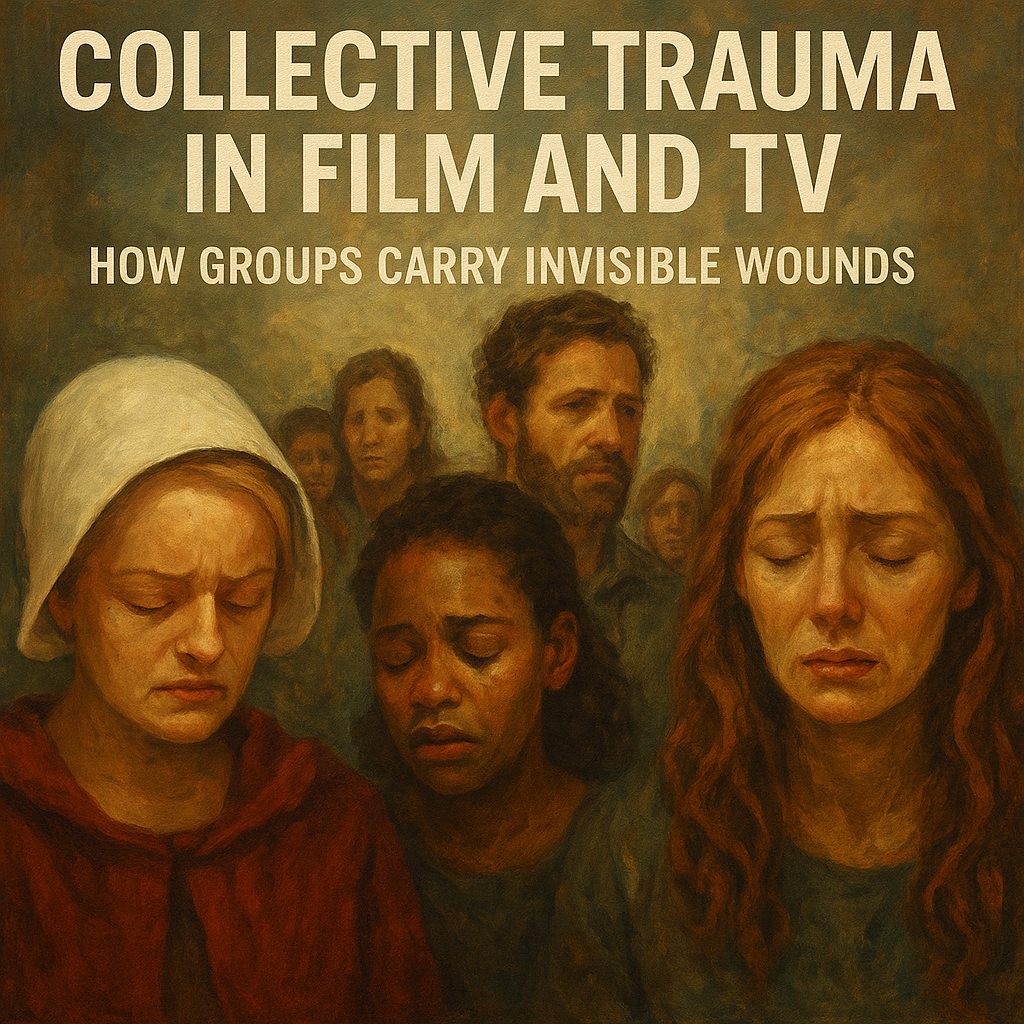
Oil painting-style digital artwork depicting characters from film and TV symbolizing collective trauma, grief, and resilience, with muted colors to convey emotional depth and invisible wounds.
Posted inPsychological Concepts via Characters

Collective Trauma in Film and TV: How Groups Carry Invisible Wounds

Explore the profound impact of collective trauma as portrayed in film and television, uncovering how groups carry invisible wounds across generations. Discover examples from popular series like "The Handmaid's Tale"…
Posted by Screen Psyche September 13, 2025
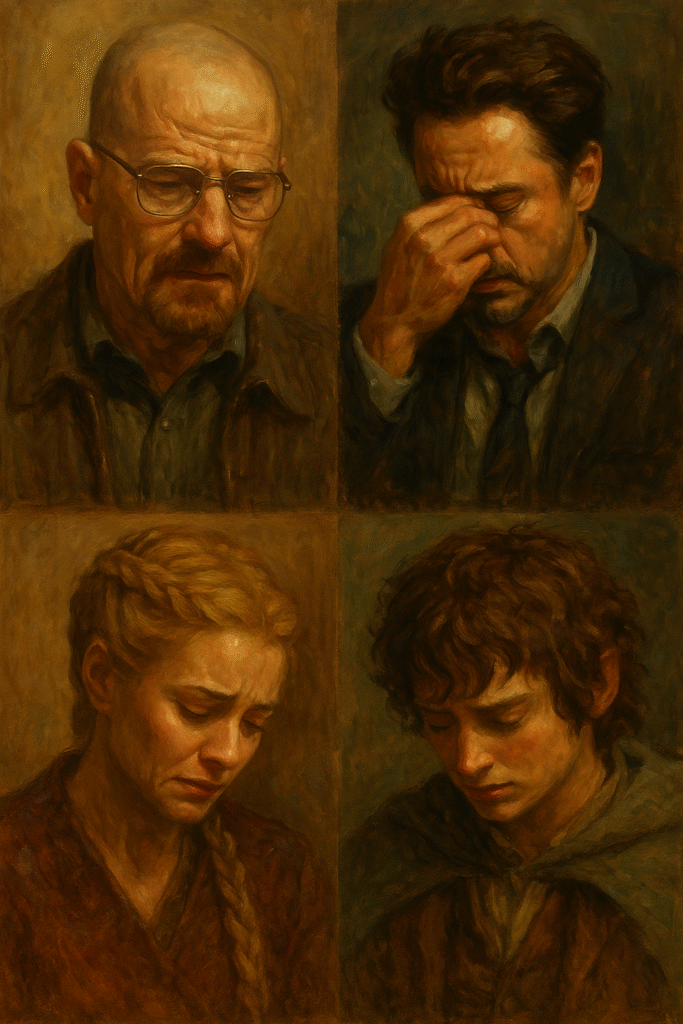
Oil painting of iconic characters Walter White, Tony Stark, Cersei Lannister, and Frodo Baggins, symbolizing shame’s role in character design and storytelling.
Posted inPsychological Concepts via Characters

The Role of Shame in Character Design

Shame: a universal human emotion, a powerful narrative tool. It can erode a character's identity, drive them to extremes, or pave the path to redemption. This exploration delves into the…
Posted by Screen Psyche September 10, 2025
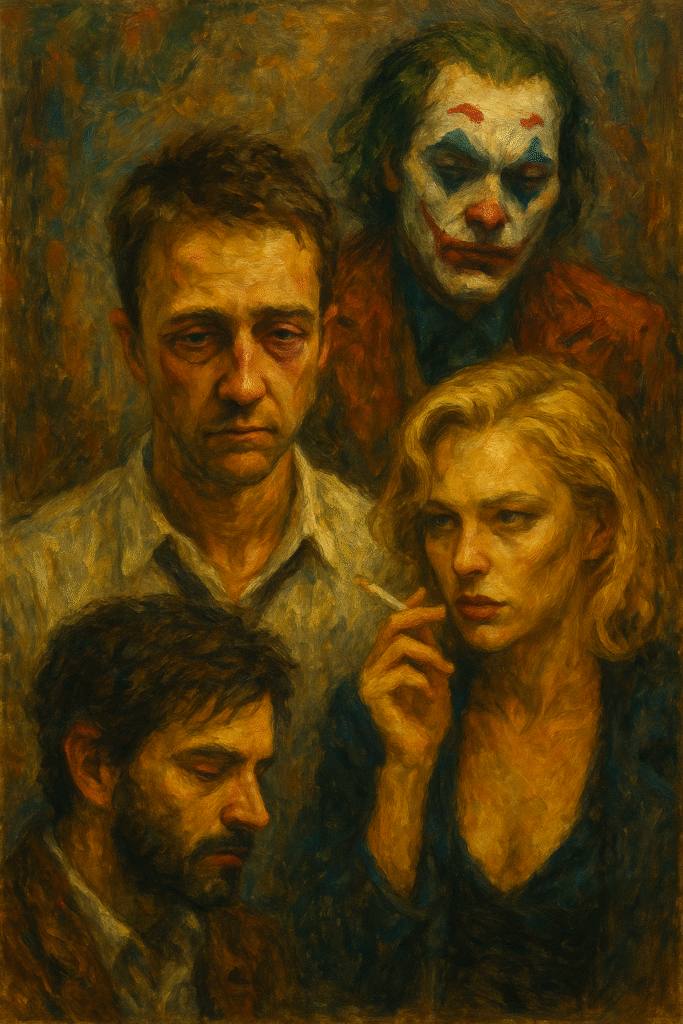
Oil painting of famous self-destructive characters from film, representing the psychological death drive and themes of Thanatos.
Posted inPsychological Concepts via Characters

Self-Destructive Characters in Film

Introduction to Thanatos and Its Psychological Implications In the realm of psychology, Thanatos refers to the instinctual drive towards death, destruction, or a return to an inanimate state. Coined by Sigmund Freud,…
Posted by Screen Psyche September 7, 2025
Semi-realistic illustration of characters from film and TV struggling with impostor syndrome, including Elizabeth Gilbert, Andy Sachs, Mia Dolan, and Fred Flarsky.
Posted inPsychological Concepts via Characters

Impostor Syndrome in Film: Characters Who Feel Like Frauds Despite Success

Impostor syndrome, a pervasive psychological phenomenon, affects individuals who doubt their abilities and feel like frauds despite evident accomplishments. This analysis delves into notable fictional characters from film and television…
Posted by Screen Psyche September 3, 2025
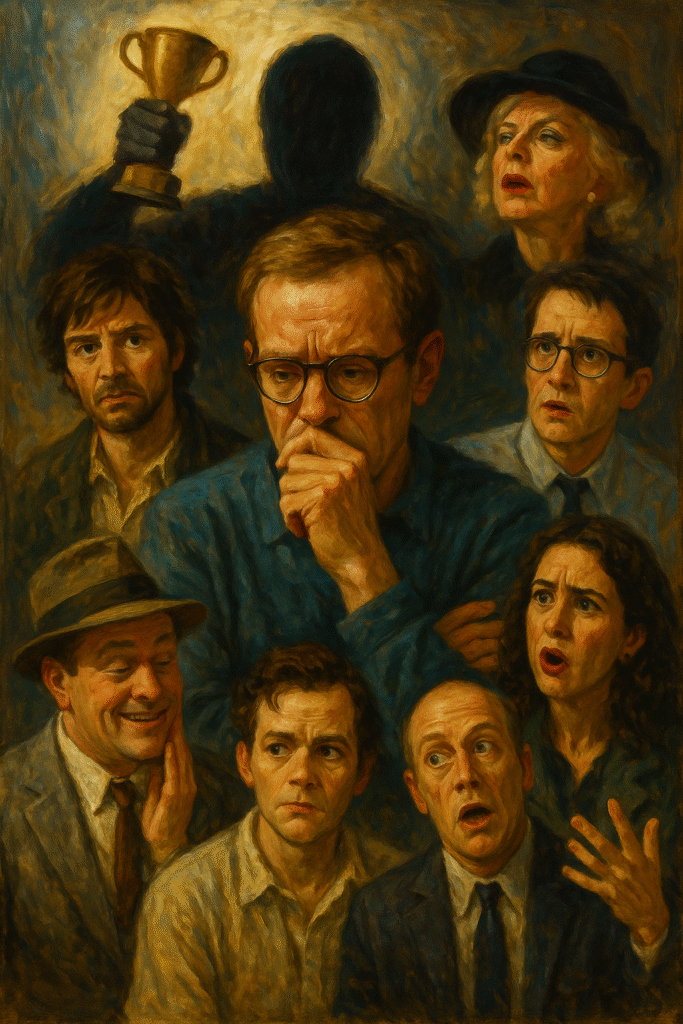
Oil painting of famous fictional characters facing fear of success and self-sabotage, including Walter White, Frodo, Carrie Bradshaw, Don Draper, Michael Scott, and Moira Rose.
Posted inPsychological Concepts via Characters

The Psychological Impacts of Success and Self-Sabotage in Characters

Introduction to Fear of Success Fear of success is a complex psychological phenomenon that manifests in various ways, especially in storytelling and character development within literature, film, and other narrative…
Posted by Screen Psyche August 31, 2025
Oil painting-style illustration showing characters from The Leftovers, The Impossible, 13 Reasons Why, and The Wilds, symbolizing survivor’s guilt, trauma, and resilience.
Posted inPsychological Concepts via Characters

Survivor’s Guilt in Films: An In-Depth Analysis

Survivor's guilt, the profound remorse or responsibility felt after surviving a trauma where others didn’t, is increasingly explored in film and television. These narratives blend thrilling storytelling with psychological authenticity,…
Posted by Screen Psyche August 28, 2025
An artistic oil-style painting depicting the Final Girl archetype in horror media, symbolizing survival, resilience, and empowerment in slasher films.
Posted inPsychological Concepts via Characters

The Final Girl Trope in Horror Media: A Deep Dive into the Feminine Archetype

The Final Girl Trope in Horror Media: A Deep Dive into the Feminine Archetype Introduction to the Final Girl Trope The Final Girl trope is a key element in horror…
Posted by Screen Psyche August 25, 2025
Oil painting of doppelgänger characters from TV and film symbolizing duality, identity conflict, and psychological fear.
Posted inPsychological Concepts via Characters

Doppelgänger Themes on Screen: A Deep Dive into Our Fears

The doppelgänger, a familiar trope in film and television, taps into our deepest anxieties about identity, duality, and the unknown. This article explores the psychological and cultural significance of doppelgängers…
Posted by Screen Psyche August 22, 2025
Oil painting of iconic antiheroes—Walter White, Anton Chigurh, Joffrey Baratheon, and Frank Castle—symbolizing revenge, morality, and psychological conflict.
Posted inPsychological Concepts via Characters

The Psychology of Revenge: Why We Cheer for Antiheroes

Dive into the dark allure of revenge and explore why we're captivated by antiheroes who blur the lines of morality. This article examines the psychological motivations behind revenge, analyzes iconic…
Posted by Screen Psyche August 19, 2025
Aesthetic cinematic painting symbolizing catharsis in modern cinema, showing emotional release through tragic storytelling.
Posted inPsychological Concepts via Characters

Catharsis in Modern Cinema: Why Tragedy Moves Us

From Aristotle's Poetics to the silver screen, the concept of catharsis has played a crucial role in our understanding of art's emotional power. In modern cinema, catharsis describes the intense emotional release…
Posted by Screen Psyche August 16, 2025

Posts pagination

Previous page 1 2 3 4 5 6 … 8 Next page

Recent Posts

  • When Love Flips To Hate: Analysis Through The Lens Of Splitting
  • George Bailey’s Emotional Burden Of Being Everyone’s Safety Net
  • Self-Objectification: Becoming the Brand You Perform
  • Ego and Mastery in The Bear: How Luca Becomes Carmy’s Healthiest ‘Rival’
  • The Girl With The Dragon Tattoo: Lisbeth Salander And Trust As A System

Recent Comments

  1. Wearing The Mask: Study Of The False Self - screenpsyche.com on Identity and Reality in ‘The Truman Show’
  2. Killing Eve Themes: From Civilian To Dangerous - screenpsyche.com on The Trauma Bond: Why Characters Stay in Toxic Relationships
  3. Killing Eve Themes: From Civilian To Dangerous - screenpsyche.com on Charm and Chaos in Killing Eve: A Deep Dive into Villanelle
  4. Parasocial Attachment: Loving a Person Who Doesn’t Know You on The Double Life of Severus Snape: Love, Bitterness, and Redemption in Harry Potter
  5. Kendall on Peggy Olson in Mad Men: A Symbol of Feminism and Ambition

Archives

  • February 2026
  • January 2026
  • December 2025
  • November 2025
  • October 2025
  • September 2025
  • August 2025
  • July 2025

Categories

  • Film Character Analysis
  • Psychological Concepts via Characters
  • TV Character Analysis
Search
Categories
  • Film Character Analysis
  • Psychological Concepts via Characters
  • TV Character Analysis
Archives
  • February 2026
  • January 2026
  • December 2025
  • November 2025
  • October 2025
  • September 2025
  • August 2025
  • July 2025
Copyright 2026 — screenpsyche.com. All rights reserved. Bloghash WordPress Theme
Scroll to Top