Skip to content
screenpsyche.com
  • Home
  • Categories
    • Film Character Analysis
    • TV Character Analysis
    • Psychological Concepts via Characters
  • About Us
Subscribe

Psychological Concepts via Characters

  • Home
  • Psychological Concepts via Characters
  • Page 4
An oil painting depicting four outsider characters from film and television, each representing different forms of alienation and belonging, painted in a cinematic, semi-realistic style.
Posted inPsychological Concepts via Characters

The Outsider Archetype: Exploring Belonging, Alienation, and Creative Power in Media

Introduction to the Outsider Archetype The outsider archetype is a prominent motif in literature, film, and television, representing characters who exist on the fringes of society. These individuals often struggle…
Posted by Screen Psyche October 6, 2025
Semi-realistic oil painting of a powerful woman in abstract tones, symbolizing femininity, control, and the psychological cost of power in media narratives.
Posted inPsychological Concepts via Characters

The Overpowering Feminine: Control, Masculine Energy, and the Cost of Power

Introduction to the Topic and Its Relevance in Media In contemporary media, the representation of women has experienced a transformative shift. The portrayal of powerful female characters often leads to…
Posted by Screen Psyche October 3, 2025
Oil painting-style illustration symbolizing narrative therapy, showing individuals rewriting their life stories and transforming struggles into empowerment.
Posted inPsychological Concepts via Characters

Exploring Narrative Therapy in Media: Character Development and Empowerment

Introduction to Narrative Therapy and Its Principles Narrative therapy, developed by Michael White and David Epston in the 1980s, is a therapeutic approach that empowers individuals to reshape the stories…
Posted by Screen Psyche September 30, 2025
Oil painting of a lone figure walking on a path surrounded by bright, abstract landscapes, symbolizing the fear of mediocrity and the search for meaning in life.
Posted inPsychological Concepts via Characters

The Fear of Mediocrity: A Psychological Exploration in Character Development

Introduction to the Theme of Mediocrity in Storytelling Mediocrity, the state of being average, often bears a negative connotation in our society, where exceptional achievements are glorified, and the ordinary…
Posted by Screen Psyche September 27, 2025
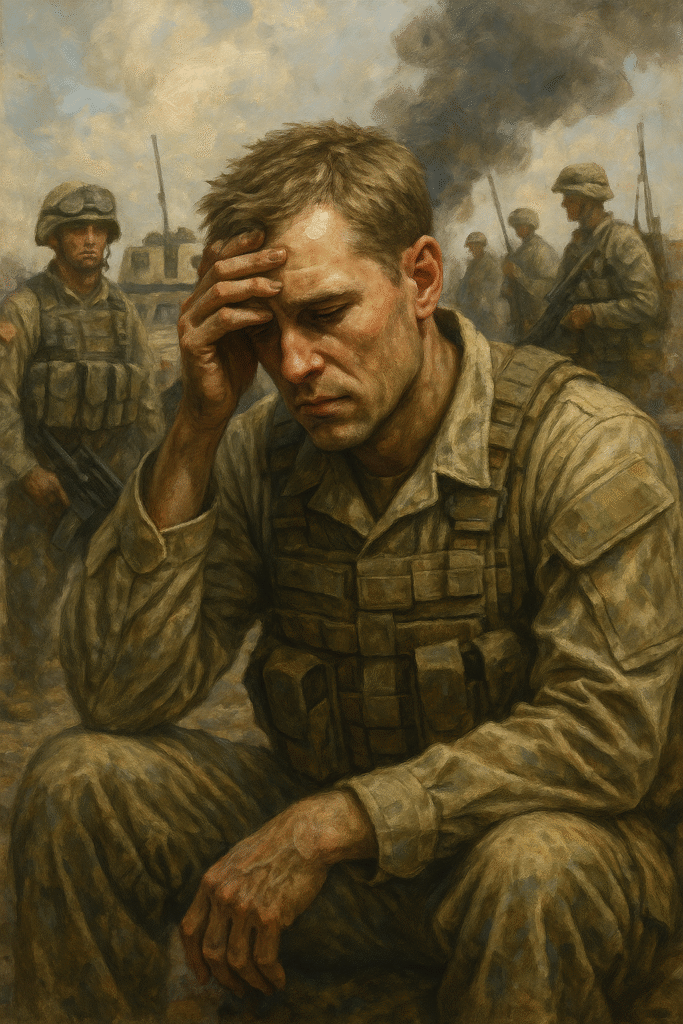
Oil painting of a soldier reflecting during wartime, symbolizing the psychological conflict of moral injury, duty versus humanity.
Posted inPsychological Concepts via Characters

Moral Injury in War Films: When Duty Conflicts with Humanity

Introduction to the Psychological Impact of Moral Injury in War Films Moral injury represents a profound psychological wound stemming from actions that violate one’s moral or ethical code, especially in…
Posted by Screen Psyche September 24, 2025
Oil painting of a young man in emotional conflict, symbolizing the fear of intimacy and the struggle to open up in relationships.
Posted inPsychological Concepts via Characters

The Fear of Intimacy: Why Some Characters Run from Love

The fear of intimacy, a pervasive theme in television and film, offers a compelling lens through which to explore the complexities of human connection. This deep-seated anxiety surrounding close relationships…
Posted by Screen Psyche September 21, 2025
A realistic oil painting showing multiple film and TV characters burdened with emotional labor, their faces and body language expressing exhaustion, resilience, and hidden strength, symbolizing the invisible emotional work in storytelling.
Posted inPsychological Concepts via Characters

The Invisible Burden: Emotional Labor as a Narrative Force

Understanding Emotional Labor: A Historical and Societal Perspective Emotional labor, a concept introduced by sociologist Arlie Russell Hochschild in her 1983 book The Managed Heart, describes the effort involved in managing…
Posted by Screen Psyche September 17, 2025
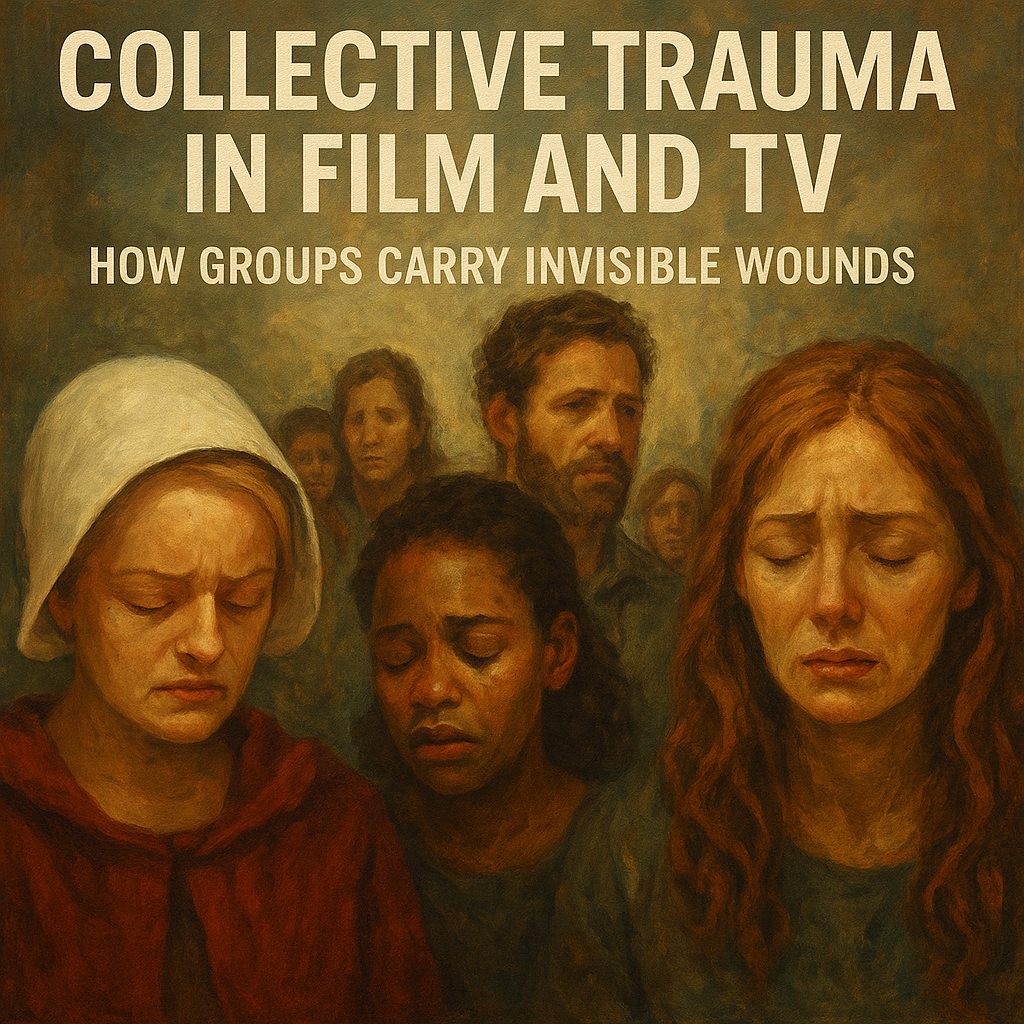
Oil painting-style digital artwork depicting characters from film and TV symbolizing collective trauma, grief, and resilience, with muted colors to convey emotional depth and invisible wounds.
Posted inPsychological Concepts via Characters

Collective Trauma in Film and TV: How Groups Carry Invisible Wounds

Explore the profound impact of collective trauma as portrayed in film and television, uncovering how groups carry invisible wounds across generations. Discover examples from popular series like "The Handmaid's Tale"…
Posted by Screen Psyche September 13, 2025
Oil painting of iconic characters Walter White, Tony Stark, Cersei Lannister, and Frodo Baggins, symbolizing shame’s role in character design and storytelling.
Posted inPsychological Concepts via Characters

The Role of Shame in Character Design

Shame: a universal human emotion, a powerful narrative tool. It can erode a character's identity, drive them to extremes, or pave the path to redemption. This exploration delves into the…
Posted by Screen Psyche September 10, 2025
Oil painting of famous self-destructive characters from film, representing the psychological death drive and themes of Thanatos.
Posted inPsychological Concepts via Characters

Self-Destructive Characters in Film

Introduction to Thanatos and Its Psychological Implications In the realm of psychology, Thanatos refers to the instinctual drive towards death, destruction, or a return to an inanimate state. Coined by Sigmund Freud,…
Posted by Screen Psyche September 7, 2025

Posts pagination

Previous page 1 2 3 4 5 6 … 8 Next page

Recent Posts

  • When People Stop Believing Their Actions Matter
  • Georgia Miller: When Survival Becomes Personality
  • Mickey Barnes: The Man Who Outsourced His Self-Worth
  • Altruistic Punishment: Hurting to “Protect” Morality
  • Seth Cohen and the Fear of Being Uncoolly Sincere

Recent Comments

  1. Love, Safety, and the Illusion of Rescue: Alex in Maid on The Trauma Bond: Why Characters Stay in Toxic Relationships
  2. Don’t Worry Darling; Love, Control, and the Fear of Being Ordinary on The Trauma Bond: Why Characters Stay in Toxic Relationships
  3. Ruth Langmore Loyalty And Rage In Ozark on The Trauma Bond: Why Characters Stay in Toxic Relationships
  4. Wearing The Mask: Study Of The False Self - screenpsyche.com on Identity and Reality in ‘The Truman Show’
  5. Killing Eve Themes: From Civilian To Dangerous - screenpsyche.com on The Trauma Bond: Why Characters Stay in Toxic Relationships

Archives

  • July 2026
  • June 2026
  • May 2026
  • April 2026
  • March 2026
  • February 2026
  • January 2026
  • December 2025
  • November 2025
  • October 2025
  • September 2025
  • August 2025
  • July 2025

Categories

  • Film Character Analysis
  • Psychological Concepts via Characters
  • TV Character Analysis
Search
Categories
  • Film Character Analysis
  • Psychological Concepts via Characters
  • TV Character Analysis
Archives
  • July 2026
  • June 2026
  • May 2026
  • April 2026
  • March 2026
  • February 2026
  • January 2026
  • December 2025
  • November 2025
  • October 2025
  • September 2025
  • August 2025
  • July 2025
Copyright 2026 — screenpsyche.com. All rights reserved. Bloghash WordPress Theme
Scroll to Top