Buffy Summers Outgrows the idealized fantasy of a normal life. Explore how her longing for a conventional future becomes a heartbreaking obstacle to happiness.
Theo Faron Shows why hope requires active practice rather than numbness in Children of Men. Discover how his journey from burnout to courage offers us a lesson.
Stop chasing goals that leave you empty. The arrival fallacy explains why success feels strange. Discover how to shift from milestones to real personal growth.
Discover how Film and TV characters foster parasocial bonds in hits like Swarm. Learn why one-sided emotional relationships feel real and shape fan identities.
Go beyond the "whiny" stereotype of Shinji Ikari. This character study of Neon Genesis Evangelion analyzes the deep trauma and psychology behind why he pilots.
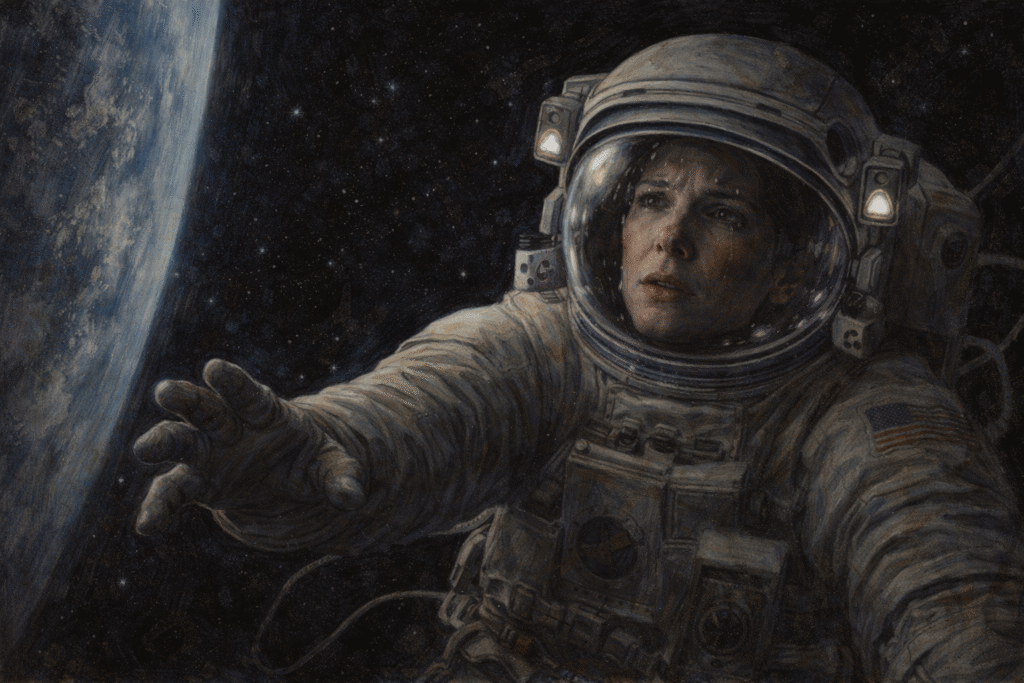
Explore how Gravity visualizes trauma. This analysis unpacks Ryan Stone’s journey from drifting to grounded, revealing her fear of returning to a life of grief.
Discover how the Just World Belief powers on-screen victim-blaming. We analyze how writers use this psychological bias to create conflict and villains in film &
Unpack the psychology of Beth Dutton rage. This trauma-informed character study explains how her fierce loyalty & explosive anger are survival skills born from
SPOILER WARNING: This article discusses key plot points and the ending of (500) Days of Summer. If you haven't seen the film and want to avoid spoilers, stop here. So, is…
Fictional characters who can’t feel pleasure often embody anhedonia: a reduced ability to experience joy, interest, or reward from things that should feel good. On screen, this can look like…
Few TV characters map a transformation from 'supportive spouse' to pragmatic political operator as convincingly — and disturbingly — as Wendy Byrde. In Ozark, Wendy's rise is not just a…
The Sophie’s Choice meaning around memory and trauma lies in how the film uses Sophie’s fragmented recollections, unbearable guilt, and self‑destructive relationships to show trauma as a lifelong struggle with…