Buffy Summers Outgrows the idealized fantasy of a normal life. Explore how her longing for a conventional future becomes a heartbreaking obstacle to happiness.
Theo Faron Shows why hope requires active practice rather than numbness in Children of Men. Discover how his journey from burnout to courage offers us a lesson.
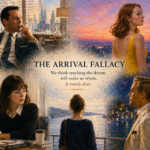
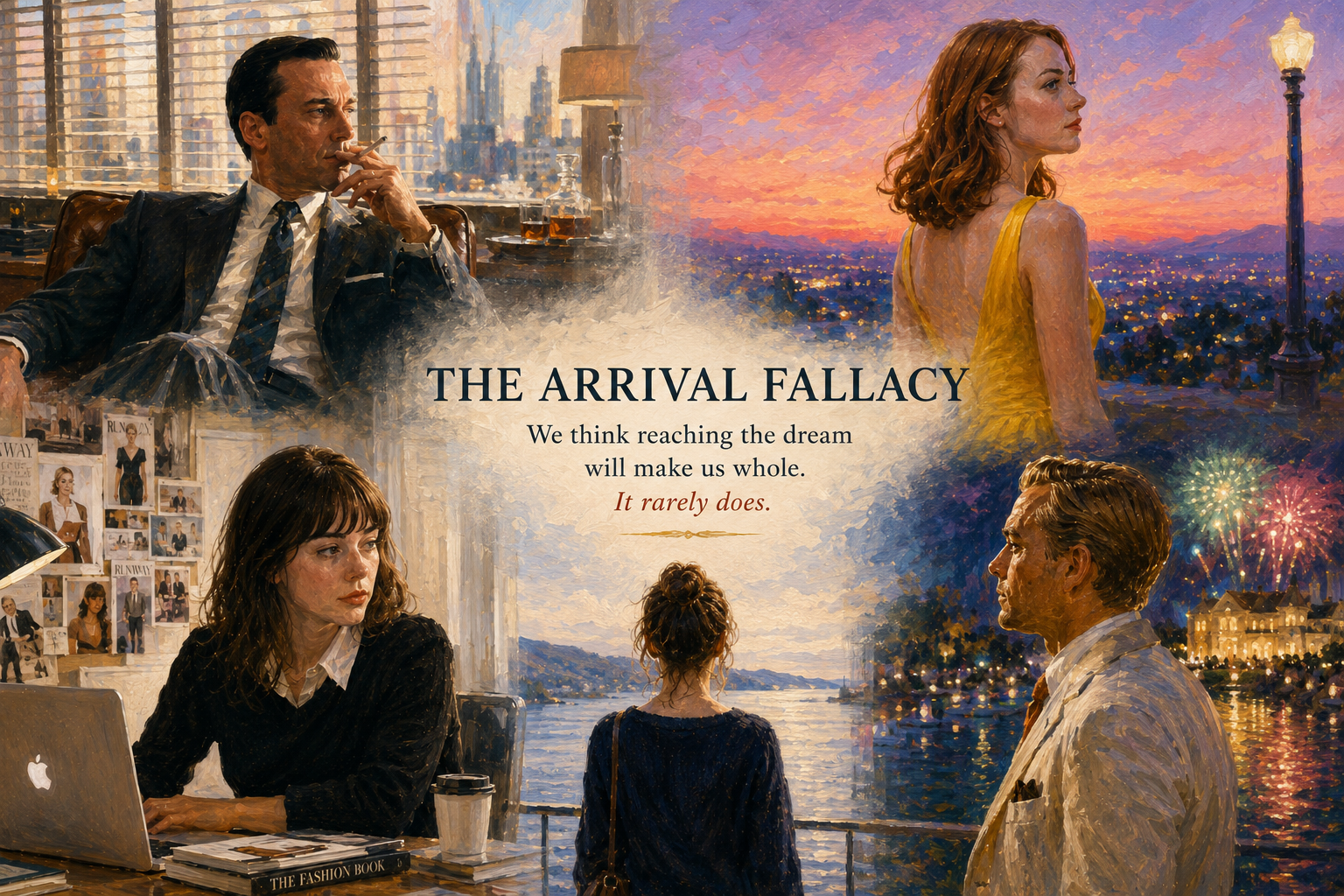
Stop chasing goals that leave you empty. The arrival fallacy explains why success feels strange. Discover how to shift from milestones to real personal growth.
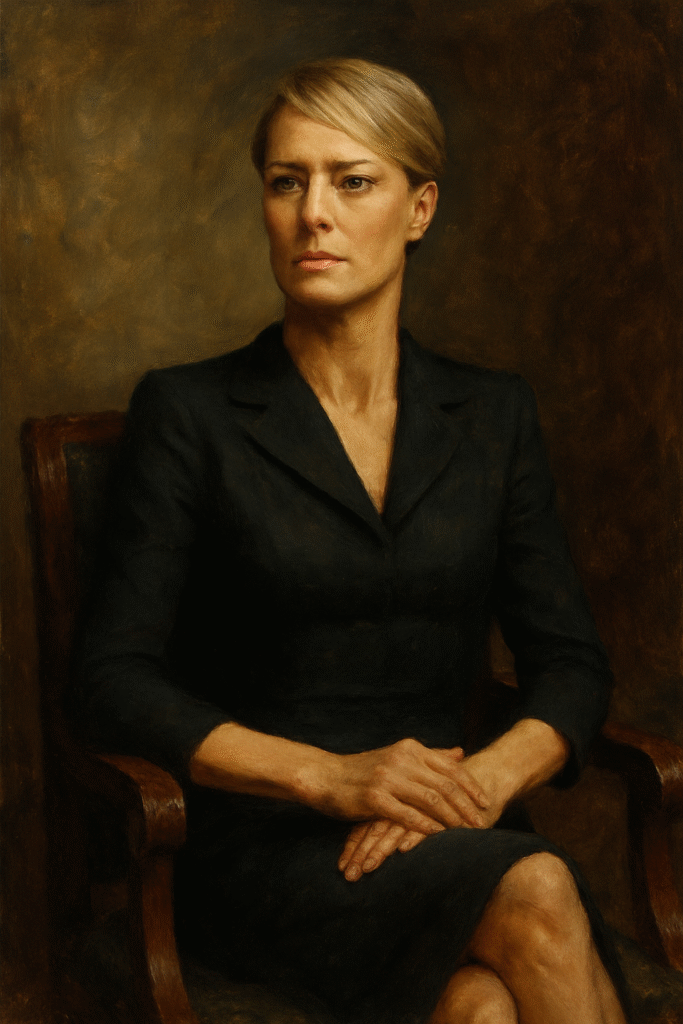
Claire Underwood remains one of television’s most quietly magnetic figures. In a genre built on rhetoric and spectacle, her restraint feels radical. This Claire Underwood character analysis shows that her…
Spoiler warning: This analysis discusses major plot points in Breaking Bad and El Camino to examine Jesse Pinkman's psychological arc and the film's final moments. Quick answer: Does Jesse find…
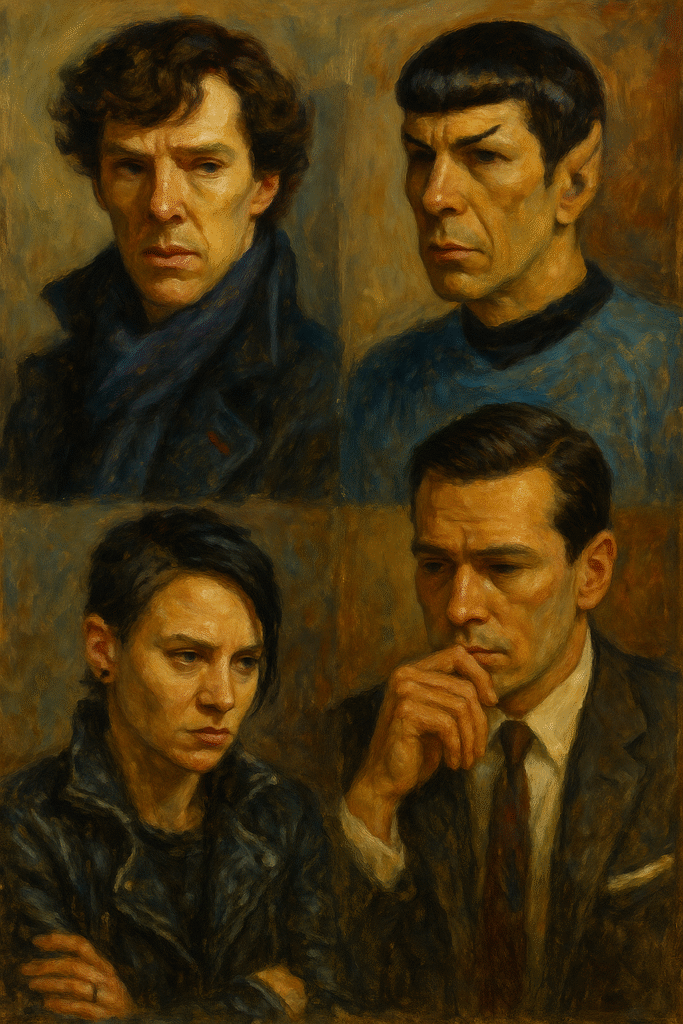
From Sherlock's clinical logic to Don Draper's ritualized distraction, alexithymia appears again and again in film and TV. This practical guide explains alexithymia, surveys on-screen portrayals, and gives craft-forward, ethical…
Introduction Catherine de' Medici remains one of history's most debated figures. In this piece we examine the psychology of political motherhood as depicted in the Starz series The Serpent Queen, and…
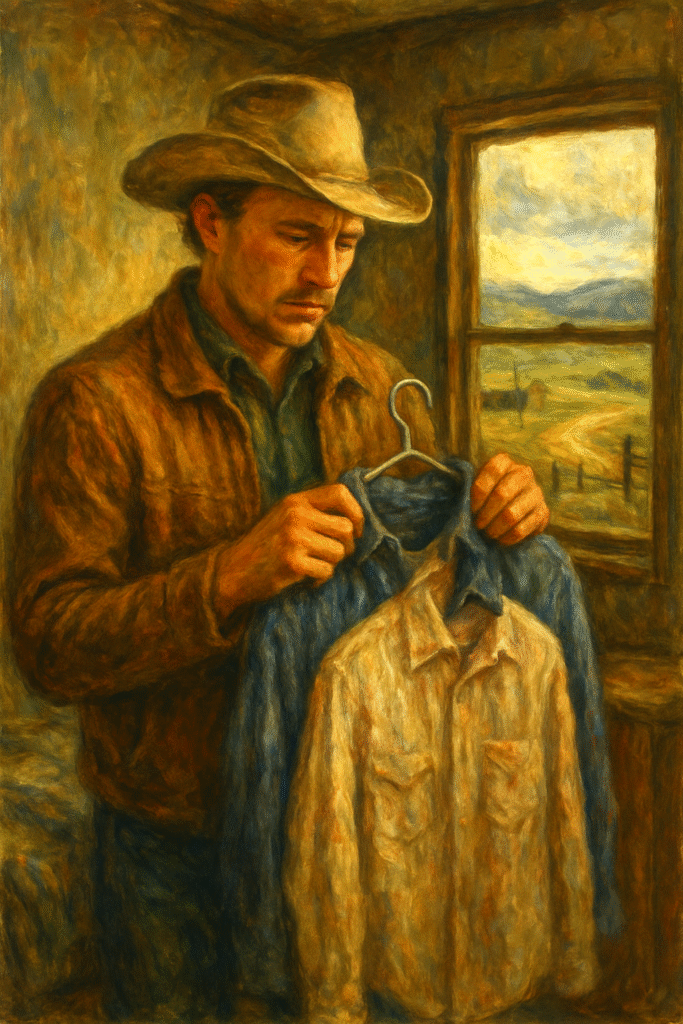
Spoiler warning: This article discusses Annie Proulx’s short story "Brokeback Mountain" and Ang Lee’s 2005 film adaptation, including Jack Twist’s death and Ennis’s final choices. Ennis Del Mar suppressed identity…
Trigger warning: this article discusses stalking, boundary violations, captivity, and violence. If these topics are distressing, please pause. Examples of Limerence in Film and TV — Introduction It’s a familiar cinematic…
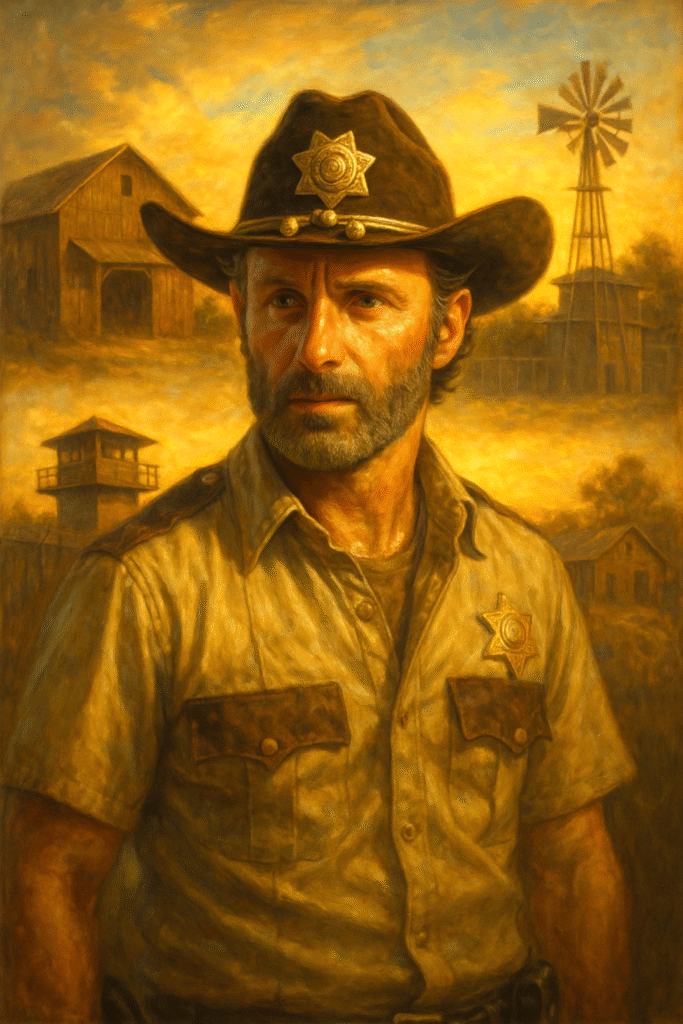
Spoiler warning: this analysis covers major plot points across The Walking Dead (Season 2 barn reveal, Season 3 prison/Governor arc, Season 5 Terminus/Grady, Seasons 6–9 leadership battles). Skip to the…
Watching Tom Ripley is like watching someone practice breathing — until he takes your breath away. In Anthony Minghella’s The Talented Mr. Ripley (1999), the phrase "Tom Ripley and the…
We often assume sanity is stable, but the fragility of sanity on screen shows something else: small cracks in routine, role, or reputation can widen into radical interior change. This…
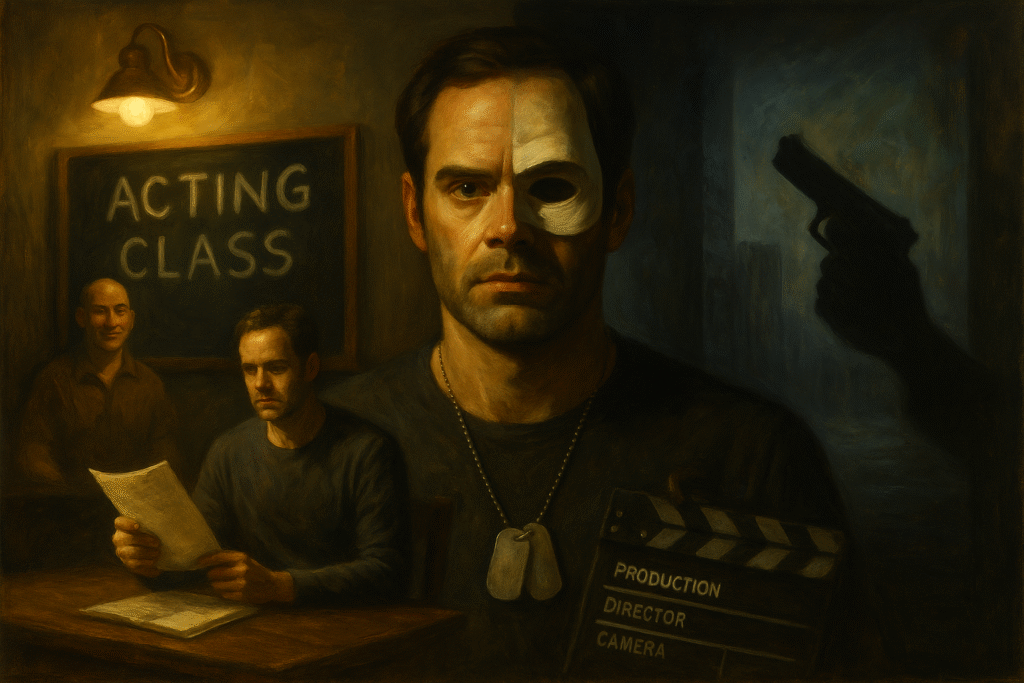
"Barry Berkman is both monster and mourner — and the show makes you hold both truths at once." Spoiler warning: This piece contains scene-level analysis from HBO's Barry. If you haven't…